
MEP Engineering Design Traps : Common Errors and How to Prevent Them
MEP Engineering Design Common Errors and How to Prevent Them
In the world of MEP (Mechanical, Electrical, and Plumbing) engineering, small mistakes in design can lead to significant project delays, increased costs, or operational failures.
To ensure smooth project execution, it’s crucial to be aware of the common errors in MEP Engineering Design Services and how to avoid them. Below are some of the most frequent traps that engineers, builders, and contractors face, along with ways to navigate them.
Lack of Coordination Between Disciplines
One of the primary challenges in MEP design is poor coordination between the mechanical, electrical, and plumbing systems. When these systems are designed in isolation, clashes often occur, resulting in space conflicts that can disrupt the project.
For instance, a duct system may conflict with electrical conduits or plumbing lines, leading to inefficiencies and increased labor.
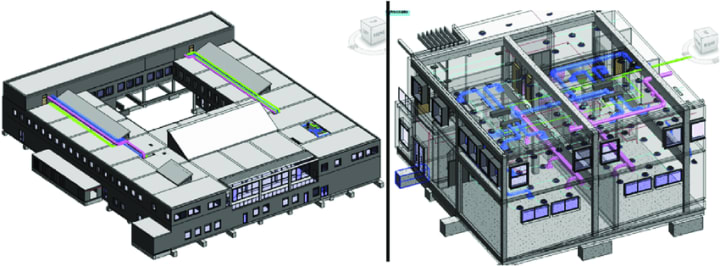
To avoid this, it’s essential to foster strong communication and collaboration among all disciplines involved. Utilizing advanced BIM (Building Information Modeling) tools can help visualize these systems working together, allowing teams to spot potential clashes before they occur.
Frequent design reviews and coordination meetings help ensure that everyone is on the same page from the start.
Incorrect Load Calculations
A common trap in MEP Engineering Services is miscalculating system loads, particularly in mechanical areas like HVAC. When heat load or airflow calculations are inaccurate, it can result in poor system performance, uncomfortable building environments, or wasted energy.
The key is to base calculations on accurate, real-world data. Building orientation, climate, and occupancy all affect load requirements. Detailed, methodical calculations using the latest software can prevent these issues.
Double-checking calculations with team members helps catch any potential oversights early on, leading to more reliable designs.
Inadequate Space Allocation for MEP Systems
Space planning is another area where projects can run into trouble. Inadequate room for MEP systems often results in cramped installations, making it difficult for teams to install and maintain systems. An undersized plant room, for instance, can cause issues during construction and long-term operations.
The solution here is to allocate sufficient space during the design phase. MEP systems need enough room for installation, operation, and maintenance.
Coordination with architects and structural engineers early in the process ensures that adequate space is reserved for these systems, allowing for smoother installations and easier future maintenance access.
Ignoring Local Codes and Standards
A trap that can create significant setbacks is neglecting to follow local codes and regulations. Each region has its own set of standards for MEP systems, and failing to comply can lead to expensive rework, penalties, or delays in getting necessary approvals.
Staying current with local building codes is vital. Ensure that each aspect of the MEP design complies with regional regulations, and regularly check for any changes in the law.
Having a dedicated team member who focuses on compliance can help minimize the risk of overlooking important requirements.
Overcomplicating System Designs
It’s easy to over-engineer MEP systems, adding unnecessary components or making designs too complex. This often leads to higher installation costs, operational inefficiencies, and increased chances of system failure due to the involvement of more moving parts.
Simplifying system designs where possible is often the best approach. Sticking to straightforward, reliable solutions will reduce complexity, making systems easier to install, maintain, and operate. Keeping designs clean and functional ensures that the project stays within budget and remains efficient throughout its lifecycle.
Poor Documentation
Poor documentation is another frequent issue in MEP Engineering Design Services. Incomplete or unclear drawings and specifications can confuse contractors and lead to costly mistakes on-site. Miscommunication between teams can also cause delays and disrupt the construction timeline.
To prevent these issues, always aim for clear and comprehensive documentation. Standardized formats, along with proper version control, ensure that everyone involved has access to the correct and updated information.
Well-documented designs also help prevent misinterpretations during the construction phase, reducing the likelihood of errors.
Neglecting Energy Efficiency
Another common oversight in MEP Services is failing to prioritize energy efficiency. Buildings designed without consideration for efficient mechanical and electrical systems often result in higher operational costs and missed opportunities for sustainability.
Addressing energy efficiency from the start of the design process can make a huge difference. Engineers should use energy modeling tools to predict how the building will perform in terms of energy consumption.
Incorporating energy-efficient HVAC, lighting, and plumbing systems not only reduces operating costs but also contributes to meeting green building standards.
Failure to Plan for Future Expansion
Many MEP designs focus on current requirements without considering future growth or modifications. This oversight can create significant challenges when the building's systems need to be expanded or upgraded later.
It’s wise to build flexibility into the initial design. By allowing for additional capacity in critical systems like electrical panels and HVAC equipment, you create room for future changes without needing major retrofits. Planning for expansion from the outset saves time and money in the long run.
Inaccurate Modeling
Accurate modeling is crucial to the success of any MEP Engineering Design Service, but some designs suffer from outdated or incorrect models. Whether it’s due to inaccurate measurements or assumptions, inaccurate models can lead to significant problems once construction begins.
Regular updates and verifications of the model using real-world data are necessary to avoid these issues. Leveraging advanced tools like laser scanning and reality capture can ensure that the model reflects actual site conditions.
Accurate models reduce the risk of issues arising on-site, leading to a more efficient construction process.
Neglecting Safety Considerations
Safety is a critical factor in MEP design, yet it’s often overlooked, especially in areas like emergency ventilation or fire protection. Poor planning in these areas can pose serious risks to building occupants.
Designing with safety in mind should always be a priority. Emergency systems like smoke ventilation, fire alarms, and electrical safety measures must be integrated into the design early. Regular safety reviews during the design phase help ensure that these systems meet all safety regulations and standards.
Conclusion
Creating successful MEP designs requires careful planning, coordination, and attention to detail. By recognizing and avoiding these common traps, engineers can deliver more reliable, efficient, and effective designs.
Addressing challenges early on, such as coordination between disciplines, accurate load calculations, and compliance with codes, sets the foundation for smoother project execution.
By working with Silicon EC Canada, clients can benefit from MEP Engineering Services that prioritize accuracy, effectiveness, and dependability. Avoiding these common design errors helps projects stay on track, within budget, and meet the highest standards.
The key to a successful MEP design lies in proactive problem-solving and clear communication throughout every phase.
About the Creator
Keep reading
More stories from Silicon EC Canada and writers in 01 and other communities.
How to Optimize Structural CAD Designs for Maximum Efficiency
When working on Structural CAD Design Services, efficiency is key. Engineers and builders rely on streamlined workflows and accurate designs to deliver successful projects. This blog focuses on practical strategies to optimize Structural CAD Designs and get the most out of your tools and resources.
By Silicon EC Canadaabout a year ago in 01
Why Do OTC Crypto Platforms Exist Alongside Exchanges?
Crypto exchanges are often seen as the main place where digital assets are bought and sold. They provide open access, visible pricing, and instant execution for millions of traders worldwide. However, despite the growth and maturity of exchanges, OTC crypto trading platforms continue to exist and expand. Their presence is not accidental. OTC platforms serve specific needs that traditional exchanges are not designed to handle, especially when trade size, privacy, and execution control become critical. Understanding why OTC crypto platforms exist alongside exchanges helps clarify how different trading models support different market participants.
By smithtaylora day ago in 01
🔋 Hydrogen Fuel: Powering the Future of Clean Energy
As the world searches for cleaner, more sustainable energy sources, hydrogen fuel has emerged as one of the most exciting contenders ⚡. Often described as the fuel of the future, hydrogen promises zero emissions at the point of use, high energy efficiency, and versatility across multiple industries. But what exactly is hydrogen fuel, how does it work, and can it truly replace fossil fuels? Let’s explore 🚀.
By Toader Adelin4 days ago in 01
A Dart at Dusk
Seconds ago, the sullen sun set on the two of us… my exuberant furry companion and me. A fresh breeze embraces us, delivering welcome relief from the day’s oppressive heat. His typical stumbling and staggering along — apace with a sloth — has turned into trip-trapping, high-stepping, almost skipping along.
By Angie the Archivist 📚🪶7 days ago in Petlife


Comments
There are no comments for this story
Be the first to respond and start the conversation.