
Meeting Emission and Dust Standards: Environmental Upgrades and Concrete Batching Plant Cost
Balancing Environmental Compliance, Investment Cost, and Long-Term Competitiveness in the Concrete Batching Plant Business

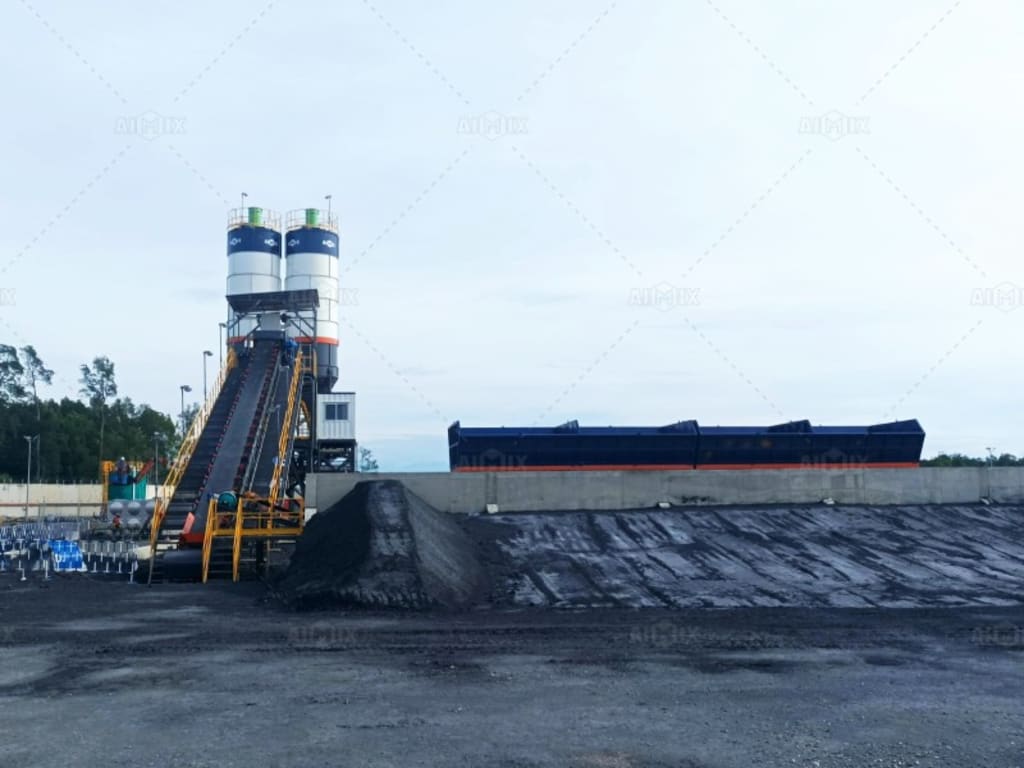
Environmental compliance has become a decisive factor in the modern concrete batching plant business. As governments tighten emission limits and dust-control requirements, batching plant operators must look beyond basic production capacity and consider the environmental performance of their facilities. While environmental upgrades inevitably influence concrete batching plant cost, they also play a critical role in long-term business sustainability, regulatory approval, and market competitiveness.
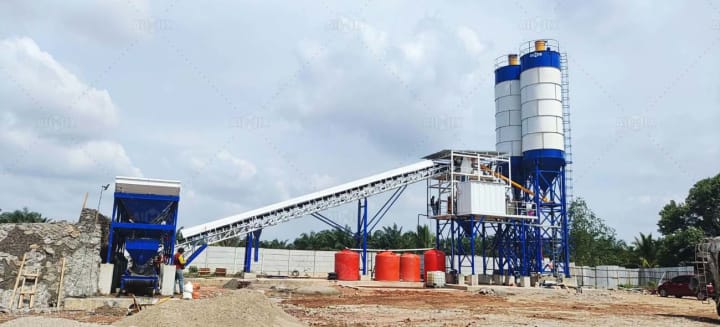
Rising Environmental Standards in the Concrete Batching Plant Business
Across many regions, environmental authorities now impose strict regulations on particulate emissions, noise levels, wastewater discharge, and material handling. For concrete batching plant businesses, non-compliance can result in fines, forced shutdowns, or delays in project approvals. Dust emissions from aggregate storage, cement silos, and mixing processes are among the most closely monitored issues. As a result, environmental upgrades are no longer optional add-ons; they are integral components of modern batching plant design and investment planning.
Key Dust and Emission Control Upgrades
Environmental upgrades typically focus on three main areas: dust collection, material enclosure, and emission management. High-efficiency baghouse filters on cement silos significantly reduce airborne cement dust during loading and batching. Fully enclosed aggregate batching systems and covered conveyors prevent fine particles from escaping into the surrounding environment. In addition, centralized dust extraction systems at transfer points help maintain clean working conditions.
These upgrades increase the initial concrete batching plant cost, but they also reduce material loss and cleanup expenses. For a concrete batching plant business operating in urban or environmentally sensitive areas, such investments can be the difference between securing operating permits and facing repeated regulatory obstacles.
Water and Waste Management Systems
Beyond dust, wastewater and slurry management are critical environmental concerns. Modern batching plants increasingly incorporate water recycling systems that capture wash water from mixers and truck cleaning. Recycled water can be reused in concrete production or dust suppression, reducing freshwater consumption and wastewater discharge.
Although water treatment and recycling systems add to concrete batching plant cost, they lower long-term operating expenses and support sustainability goals. For a growing concrete batching plant business, efficient water management also enhances resilience in regions facing water scarcity or stricter discharge regulations.
Noise and Energy Emission Considerations
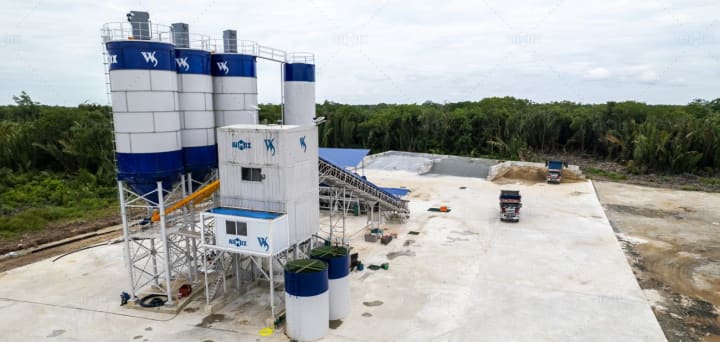
Noise pollution is another factor affecting environmental compliance, particularly for batching plants located near residential or commercial zones. Soundproofed enclosures for mixers, compressors, and generators help reduce noise levels and improve community relations. At the same time, energy-efficient motors, variable frequency drives, and optimized mixing cycles reduce power consumption and indirect emissions.
Energy-saving upgrades can slightly increase upfront concrete batching plant cost, but they deliver measurable reductions in electricity expenses over the plant’s lifecycle. For operators focused on long-term profitability, these improvements align environmental responsibility with operational efficiency.
Cost Implications and Investment Trade-Offs
From an investment perspective, environmental upgrades shift the cost structure of a batching plant project. While the capital expenditure rises, compliance reduces regulatory risk and improves asset longevity. A concrete batching plant business that invests in modern environmental systems is better positioned to pass inspections, win public infrastructure contracts, and attract environmentally conscious clients.
In contrast, cutting corners on environmental features may reduce initial concrete batching plant cost but often leads to higher expenses later. Retrofitting dust collectors or water recycling systems after installation is typically more expensive and disruptive than integrating them during the initial plant design phase.
Impact on Business Competitiveness and Brand Value
Environmental compliance increasingly influences customer and stakeholder perception. Developers, mining operators, and government agencies prefer suppliers with proven environmental management practices. A batching plant business that demonstrates compliance with emission and dust standards gains a competitive edge in bidding processes and long-term contracts.
Moreover, modern environmental systems improve workplace safety and employee satisfaction by reducing exposure to dust and noise. These intangible benefits strengthen operational stability and contribute to lower staff turnover, indirectly supporting business growth.
Long-Term Value in a Regulated Market
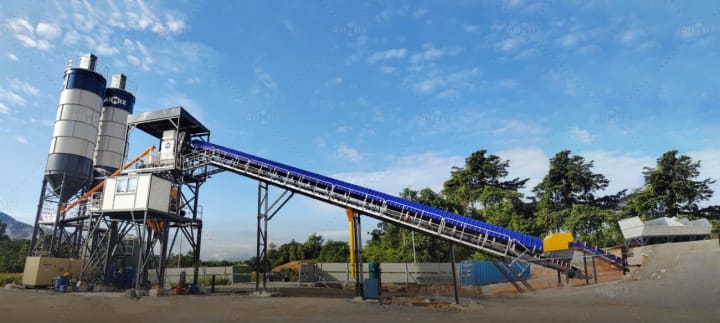
As environmental regulations continue to evolve, batching plants designed with upgrade potential are better prepared for future requirements. Modular dust collection systems, expandable water recycling units, and digital monitoring tools allow plant operators to adapt without major reconstruction. This flexibility protects the concrete batching plant business from sudden compliance-related disruptions.
Ultimately, while environmental upgrades increase concrete batching plant cost, they represent an investment in risk mitigation, operational efficiency, and market credibility. For operators aiming to build a resilient and scalable concrete batching plant business, meeting emission and dust standards is not merely a regulatory obligation—it is a strategic decision that supports sustainable growth and long-term success.
About the Creator
consrtuctionmachines
AIMIX is a customer-center-oriented heavy equipment manufacturer and supplier, devoted to production, innovation, combination, one-stop solution, etc.
https://aimixgroup.com/
Keep reading
More stories from consrtuctionmachines and writers in 01 and other communities.
Quality Assurance Systems Behind Reliable China Concrete Batching Plants
Over the past twenty years, China’s concrete batching plants have transformed from simple, cost-focused machines into globally recognized solutions celebrated for their reliability, scalability, and technological sophistication. This evolution is not coincidental; it is the result of well-established quality assurance (QA) systems that guide every step of production, from design to after-sales service. For international buyers, understanding these QA mechanisms is crucial for distinguishing long-term, dependable suppliers from short-term, opportunistic vendors.
By consrtuctionmachines3 days ago in 01
The Battery of Trust: How Phone Charging Habits Relate to Honesty in Location Sharing
Hey there. Over years of building location-sharing tools, I've noticed a pattern that rarely gets discussed: the link between a phone's battery life and the health of a relationship built on digital trust. It sounds odd, right? But think about it. The most common technical excuse for a location tracker failing is, "My phone died." While sometimes true, this dead battery can often be a symptom, not just a cause—a digital tell that signals a deeper disconnect.
By Olivia Martinez2 days ago in 01
Why Germany Is Emerging as a Prime Market for Institutional-Grade White Label Crypto Wallets in 2026
Germany just issued its 100th crypto custody license under the updated Financial Instruments Act. Deutsche Bank launched digital asset custody services for institutional clients. The German government holds 50,000 BTC making it one of the largest sovereign cryptocurrency holders in Europe. If you're building institutional-grade white-label crypto wallet solutions and wondering where to focus in 2026, Germany isn't just attractive it's essential.
By Matthew Hawsabout 16 hours ago in 01




Comments
There are no comments for this story
Be the first to respond and start the conversation.