
Market Analysis of RMC Plant Cost: Key Factors Driving Price Fluctuations
Understanding Cost Dynamics and Market Trends in the Ready-Mix Concrete Industry

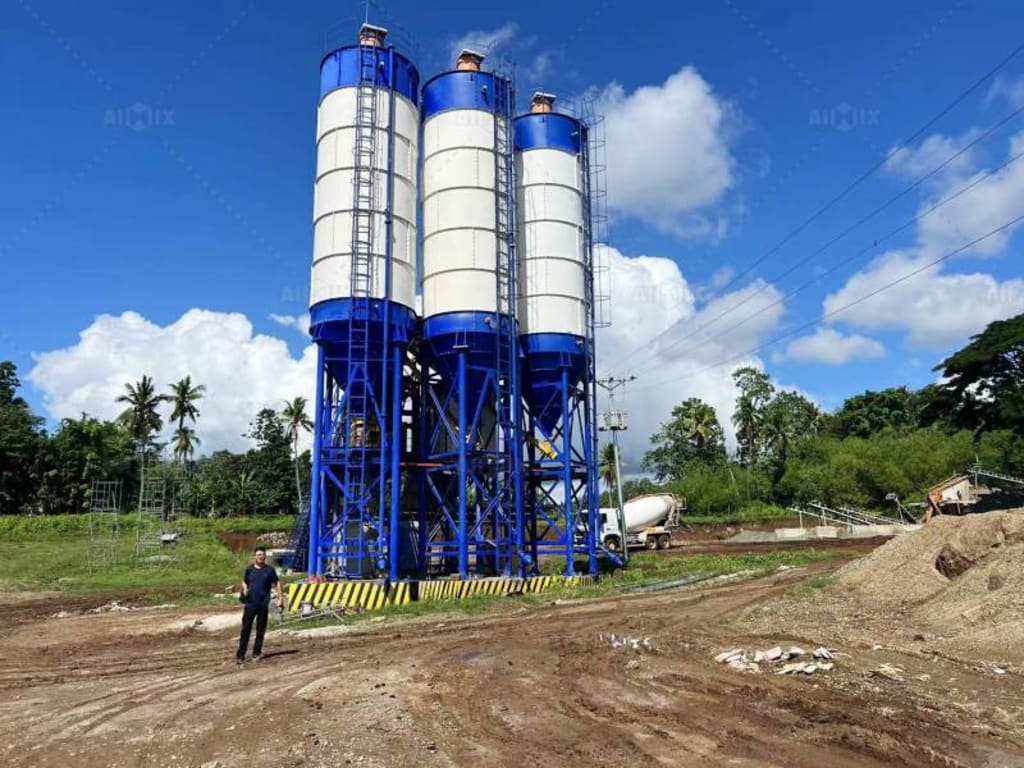
The Ready-Mix Concrete (RMC) industry plays a crucial role in modern construction, providing high-quality concrete with enhanced efficiency and convenience. Setting up an RMC plant requires a significant investment, and its cost is influenced by various market factors. Understanding these cost dynamics is essential for businesses looking to enter the market or optimize their operations. This article explores the key factors driving RMC plant cost fluctuations, market trends, and strategies to manage costs effectively.
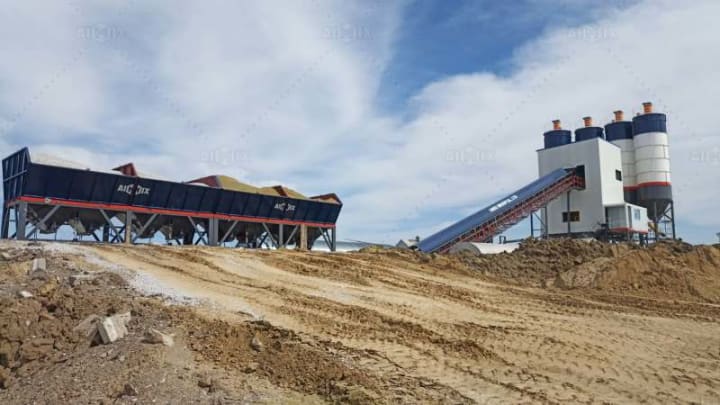
Understanding the Cost Structure of an RMC Plant
The cost of establishing and operating an RMC plant can be broken down into several components:
Initial Investment Costs
Land acquisition and site development
Equipment and machinery (batching plant, silos, mixers, conveyors, etc.)
Installation and commissioning costs
Operational Costs
Raw materials (cement, sand, aggregates, water, and admixtures)
Labor wages and workforce expenses
Power and fuel consumption
Maintenance and repair of equipment
Logistics and Distribution Costs
Transportation of raw materials to the plant
Delivery of ready-mix concrete to construction sites
Fuel and vehicle maintenance for transit mixers
Regulatory and Compliance Costs
Environmental permits and certifications
Safety measures and quality control requirements
Taxes and government levies

Key Factors Driving Price Fluctuations in RMC Plant Costs
1. Raw Material Prices
Raw materials like cement, sand, and aggregates constitute a significant portion of RMC production costs. Their prices fluctuate due to:
Changes in global demand and supply
Seasonal variations in availability (e.g., river sand scarcity during monsoons)
Government policies on mining and resource extraction
Transportation and import/export restrictions
2. Energy and Fuel Costs
Electricity and fuel are critical for operating batching plants, mixers, and transportation fleets. Key drivers of energy cost fluctuations include:
Oil price volatility affecting fuel costs
Electricity tariffs based on regional regulations
Adoption of energy-efficient machinery to offset rising costs
3. Labor Costs and Workforce Availability
Skilled and unskilled labor wages impact RMC plant operational expenses. Factors influencing labor costs include:
Local minimum wage regulations
Availability of skilled technicians and workers
Increased automation reducing dependence on manual labor
4. Transportation and Logistics Expenses
Efficient logistics are crucial for maintaining RMC quality and timely delivery. Cost fluctuations occur due to:
Fuel price changes affecting transport expenses
Road infrastructure conditions impacting delivery times
Distance between raw material sources and the RMC plant
5. Market Demand and Competition
Market trends directly influence RMC plant costs and pricing strategies. Factors include:
Urbanization and construction boom increasing demand
Competition among RMC suppliers affecting price stability
Economic downturns leading to reduced construction activities
6. Technological Advancements and Automation
Investments in automation and smart batching systems can impact overall concrete batching plant costs. Benefits include:
Improved precision in mix design, reducing material wastage
Enhanced efficiency and lower operational costs
High initial investment but long-term cost savings
7. Government Regulations and Environmental Policies
Strict environmental laws and policies can influence RMC plant costs. Key regulatory factors include:
Emission control measures requiring additional investments
Restrictions on sourcing raw materials (e.g., sand mining bans)
Carbon taxes and sustainability incentives
Market Trends Affecting RMC Plant Costs
Growing Demand for Sustainable Concrete Solutions
Eco-friendly RMC production methods, such as recycled aggregates, are gaining traction.
Green certification requirements may increase compliance costs but offer long-term benefits.
Expansion of Infrastructure Projects
Government investments in roads, bridges, and urban development drive demand.
Increased RMC consumption can lead to economies of scale, reducing production costs.
Adoption of Digital Technologies
Smart batching systems and real-time monitoring improve efficiency.
Cloud-based inventory management helps optimize material usage and reduce waste.
Regional Pricing Variations
Location-based differences in raw material availability and labor costs affect pricing.
Proximity to construction hubs can lower transportation costs.
Strategies to Manage and Optimize RMC Plant Costs
1. Efficient Procurement and Inventory Management
Establishing long-term contracts with suppliers for stable raw material pricing.
Using alternative raw materials like fly ash to reduce cement dependency.
2. Investing in Energy-Efficient Equipment
Upgrading to energy-efficient motors and automation systems.
Using renewable energy sources like solar power to reduce electricity expenses.
3. Optimizing Logistics and Delivery Routes
Implementing GPS tracking for transit mixers to minimize fuel consumption.
Setting up satellite RMC plants near high-demand construction zones.
4. Workforce Training and Skill Development
Training employees on efficient batching and quality control techniques.
Reducing manual errors to minimize material wastage.
5. Embracing Sustainable Practices
Using recycled water and aggregates to lower costs and meet regulatory standards.
Partnering with green construction projects for premium pricing opportunities.
Conclusion
The cost of setting up and operating an RMC plant is influenced by a range of market-driven factors, including raw material pricing, energy costs, labor expenses, and regulatory requirements. Understanding these dynamics is essential for businesses to remain competitive and profitable in the concrete industry. By adopting efficient procurement strategies, investing in automation, and optimizing logistics, RMC plant operators can mitigate cost fluctuations and enhance long-term profitability. As the construction sector continues to evolve, staying ahead of market trends and sustainability requirements will be key to success in the RMC industry.
About the Creator
consrtuctionmachines
AIMIX is a customer-center-oriented heavy equipment manufacturer and supplier, devoted to production, innovation, combination, one-stop solution, etc.
https://aimixgroup.com/
Keep reading
More stories from consrtuctionmachines and writers in 01 and other communities.
Safety Tips for Onsite Concrete Mixing
Onsite concrete mixing is essential for many construction projects. However, it involves various risks that require strict safety measures. Ensuring safety can prevent accidents and enhance productivity. This article will discuss important safety tips for onsite concrete mixing. We will cover equipment such as the mobile concrete mixer, concrete mixer self-loading, hydraulic concrete mixer, and mobile concrete batching plant. Following these tips will help you maintain a safe and efficient work environment.
By consrtuctionmachinesabout a year ago in 01
Top Dog Training Essentials: Extra Large Dog Bowl, Leather Lead & Dog Treat Pouch
Training a dog is one of the most rewarding responsibilities a pet owner can undertake. Whether you have a playful puppy or an energetic adult dog, the right tools can make the training process smoother, more effective, and enjoyable for both you and your canine companion. While techniques and consistency are essential, having the proper equipment can significantly improve communication, control, and motivation during training sessions.
By Von Ultimate Dog Shop3 days ago in 01



Comments
There are no comments for this story
Be the first to respond and start the conversation.