
Mango Varieties: Exploring the World’s Most Beloved Fruit
Discover the most popular mango varieties from around the world, including Alphonso, Ataulfo, Tommy Atkins, Kent, and more. Learn their flavors, textures, and best uses in this ultimate guide by Mangoes Music.
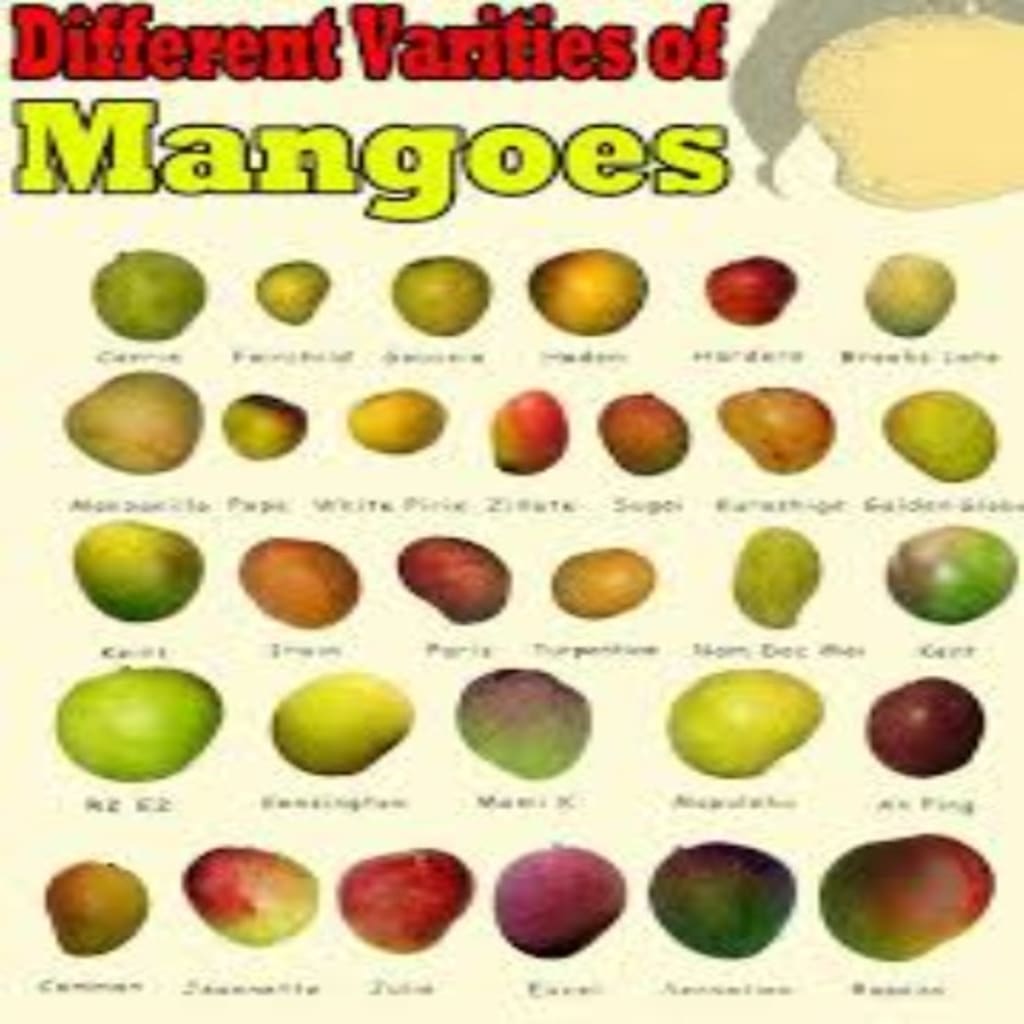
When summer rolls around, mango lovers rejoice as their favorite fruit begins to fill markets and kitchen tables around the world. Mangoes are more than just sweet and juicy—they come in hundreds of different forms, shapes, and flavors. At Mangoes Music, we’re passionate about uncovering the diverse universe of mango varieties, and today, we're taking you on a journey through the most popular types, their characteristics, and how to enjoy them.
What Makes Mango Varieties Unique
Not all mangoes are created equal. The wide range of mango varieties is the result of centuries of cultivation across tropical and subtropical regions. Each variety has a distinct flavor profile, aroma, size, skin texture, and flesh color. Some mangoes are fiberless and buttery, others are fibrous but rich in taste, and a few are prized for their tangy bite.
Several factors influence mango diversity:
Climate and soil: Different regions give rise to unique mango flavors and textures.
Breeding and cultivation: Selective breeding has enhanced qualities like disease resistance, shelf life, and sweetness.
Harvesting season: Some mango varieties are early bloomers, while others ripen late in the season.
Let’s dive into the mango varieties that have earned global acclaim.
Alphonso – The King of Mangoes
Widely considered the best among all mango varieties, Alphonso mangoes originate from the Ratnagiri region of Maharashtra, India. They are also known as "Hapus" and are renowned for their rich, creamy texture and a fragrance that’s nothing short of intoxicating.
Flavor: Sweet, intense, with a hint of citrus
Flesh: Bright saffron-colored, fiberless
Best for: Eating fresh, desserts, smoothies
Alphonso mangoes are often exported and command premium prices in international markets due to their short season and delicate handling requirements.
Ataulfo – The Champagne Mango
Grown primarily in Mexico, the Ataulfo mango is small but mighty. Also known as the "Honey" or "Champagne" mango, it’s celebrated for its buttery flesh and minimal fiber.
Flavor: Mild, sweet, creamy
Flesh: Golden yellow, very smooth
Best for: Mango lassi, sorbets, fresh slices
Ataulfos are one of the most accessible mango varieties in North America during spring and summer.
Tommy Atkins – America’s Most Common Mango
Tommy Atkins may not be the best-tasting mango, but it certainly is the most widely available. Grown in Florida, Brazil, and other countries, this variety is prized for its long shelf life and durability during transport.
Flavor: Mild, with hints of tartness
Flesh: Firm, moderately fibrous
Best for: Salsas, salads, grilling
Because it’s easy to ship and lasts longer, Tommy Atkins has become the commercial standard in many grocery stores across the U.S.
Kent – Juicy and Rich
Kent mangoes are sweet and juicy with less fiber than Tommy Atkins, making them more enjoyable to eat fresh. They are typically grown in Florida, Mexico, and Peru.
Flavor: Sweet with low acidity
Flesh: Deep orange, soft, nearly fiberless
Best for: Fresh consumption, chutneys, juices
Kents are available from December to February, making them a great wintertime mango treat.
Haden – The Original Florida Mango
Before Tommy Atkins, there was Haden. Introduced in the early 1900s in Florida, Haden mangoes are known for their vibrant skin and intense tropical flavor.
Flavor: Sweet and slightly spicy
Flesh: Firm, fibrous
Best for: Juices, smoothies, fresh
While they’ve become less commercially popular, Haden mangoes still have a strong following among mango enthusiasts.
Keitt – Late Season Delight
Keitt mangoes are one of the few mango varieties available later in the season, often harvested into September. They’re large, green even when ripe, and have a refreshing tartness.
Flavor: Sweet with tangy undertones
Flesh: Juicy, soft, minimal fiber
Best for: Pickling, eating raw, salads
Keitt mangoes are a favorite for those who love a bit of zing in their fruit.
Kesar – The Saffron Mango
Native to Gujarat, India, Kesar mangoes are named after the word "saffron" due to their deep orange hue and luxurious taste.
Flavor: Sweet, floral, aromatic
Flesh: Smooth, fiberless
Best for: Traditional Indian desserts like aamras, shrikhand
Kesar is considered the second most popular mango variety in India, right after Alphonso.
Palmer – The Smooth Operator
The Palmer mango is an American variety developed in Florida. It's long, slender, and one of the later-ripening types.
Flavor: Mildly sweet, low acidity
Flesh: Firm, low fiber
Best for: Smoothies, fruit bowls, mango toast
Palmer mangoes are excellent for people who prefer less sweet, more subtle mango flavors.
Regional Mango Varieties Worth Discovering
Around the world, local mango varieties reflect the tastes and climates of their regions. Here are a few lesser-known but delicious mango varieties worth exploring:
Nam Dok Mai (Thailand): Super sweet, floral, and elegant, often eaten with sticky rice.
Carabao (Philippines): Also called Manila mango, it holds the Guinness record for the sweetest mango.
Sindhri (Pakistan): Large, golden, and incredibly juicy.
Neelum (India): Small, fragrant, and available late into the mango season.
Zill (Egypt): Adapted to desert climates and known for its adaptability.
Choosing the Right Mango for You
With so many mango varieties to choose from, how do you pick the right one? Here are some factors to consider:
Purpose: For eating raw, go with Alphonso or Ataulfo. For cooking, Tommy Atkins or Keitt work well.
Sweetness level: Alphonso, Kesar, and Carabao rank high in sweetness, while Keitt and Palmer are more subdued.
Texture preference: If you dislike fibers, opt for Kent, Ataulfo, or Alphonso.
Always look for a fragrant aroma near the stem, a slight give when pressed, and a full, plump shape to indicate ripeness.
Final Thoughts
From India to Mexico, Egypt to the Philippines, the variety of mangoes available around the world is staggering. Each mango variety brings its own twist to the table—whether you’re after intense sweetness, a buttery texture, or a tangy kick. At Mangoes Music, we believe in celebrating the diversity of mangoes and the cultures that cherish them. Whether you're blending them into smoothies, dicing them into salsas, or enjoying them on their own, understanding different mango varieties enhances your experience.
So next time you spot a new mango at your local market, don’t hesitate to try it. You might just discover your new favorite.
About the Creator
Keep reading
More stories from hamza awan and writers in 01 and other communities.
How to Get Rid of Creases in Shoes | Shoes Nerd
Creases in shoes are an inevitable part of wear and tear, especially for those of us who love our footwear and wear them often. While some creases add character and show that your shoes have been well-loved, excessive creasing can make even the most expensive pair look worn out and neglected. Whether it’s leather, synthetic, or fabric shoes, creases can detract from their appearance and reduce your confidence in wearing them.
By hamza awan8 months ago in 01
Hospital App Development: Cost and Planning Guide
I was sat in a Texas clinic last week, fixin' to get my knee looked at. The app for the hospital wouldn't load my chart. Fair dinkum, it was useless. It’s 2026. We have robot taxis, yet my doctor's app acts like a 2004 flip phone.
By Sherry Walkerabout 22 hours ago in 01
These Billionaires Bet Big On GreenLand—After Trump Took Interest
Topline Just months after President Donald Trump first expressed interest in the United States possibly gaining control over Greenland, some of the richest people in the world—including Jeff Bezos, Bill Gates and Michael Bloomberg—began making strategic investments in the mineral-rich island.
By Dena Falken Esq4 days ago in 01


Comments
There are no comments for this story
Be the first to respond and start the conversation.