
Logo Design Principles: A Guide to Creating Effective and Memorable Logos
Logo Design Principles

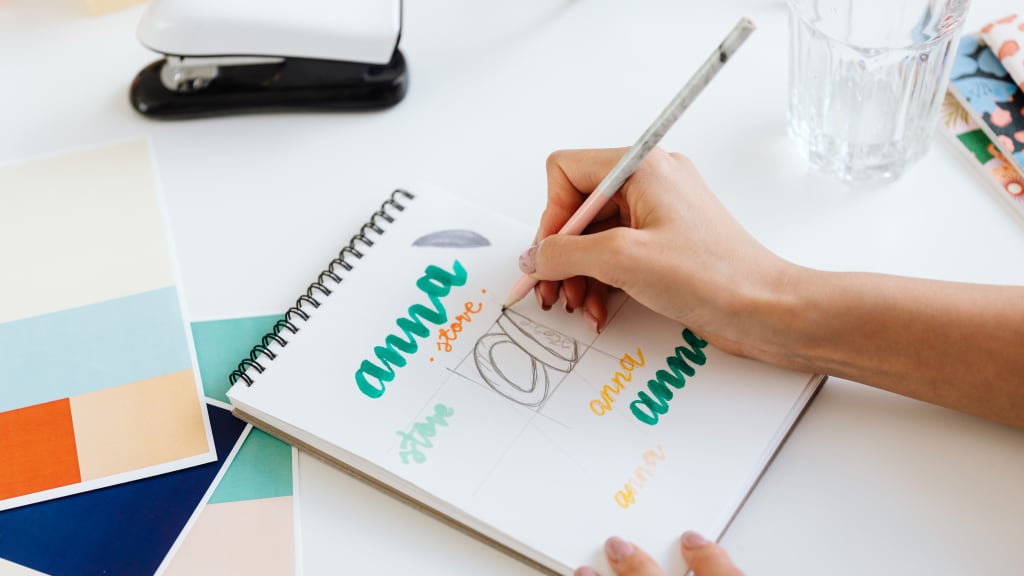
A logo is a symbol that represents a brand, business, or organization. It is often the first thing people see when they come into contact with a brand, and it is an important element in creating a strong brand identity.
A good logo should be simple, memorable, versatile, and appropriate for the brand it represents.
In this article, we will explore the principles of logo design and what makes a logo effective.
Simplicity
Simplicity is one of the most important principles of logo design. A logo that is too complex is difficult to remember, recognize, and reproduce. A simple logo, on the other hand, is easy to remember, recognize, and reproduce.
A simple logo should be easy to recognize, even when it is reduced to a small size or reproduced in black and white.
Memorability
A logo should be memorable so that people can easily remember it and associate it with the brand it represents.
A memorable logo should be unique and recognizable, and it should stand out from the logos of other brands.
A logo that is memorable is also easier to recall when people are making purchasing decisions.
Versatility
A logo should be versatile so that it can be used in a variety of contexts and media. A versatile logo should be able to be reproduced in a variety of sizes and colors, and it should work well on both digital and print materials.
A logo that is versatile is also easier to maintain and update over time, as the brand evolves.
Appropriateness
A logo should be appropriate for the brand it represents. A logo that is appropriate should be relevant to the brand’s target audience, and it should reflect the brand’s values and personality.
A logo that is appropriate should also be visually appealing so that people are drawn to it and want to interact with the brand.
Choosing Colors
The colors used in a logo are an important aspect of logo design. Colors can evoke emotions, and they can communicate the brand’s personality and values.
When choosing colors for a logo, it is important to consider the brand’s target audience and the emotions the brand wants to evoke.
For example, blue is often associated with trust, while green is associated with growth and nature.
Typography
The typeface used in a logo is another important aspect of logo design. The typeface should be legible and readable, and it should be appropriate for the brand’s target audience.
When choosing a typeface for a logo, it is important to consider the brand’s personality and values, and the typeface should be easy to read, even when it is reduced to a small size.
Summary
A logo is a symbol that represents a brand, business, or organization, and it is an important element in creating a strong brand identity.
A good logo should be simple, memorable, versatile, and appropriate for the brand it represents. When designing a logo, it is important to consider the brand’s target audience and the emotions the brand wants to evoke, and the colors and typeface used in the logo should be appropriate for the brand.
By following these principles of logo design, you can create a logo that is effective, memorable and represents your brand in the best possible way.
Thank you
About the Creator
Jubayar Rahman
Hey There,
I’m Jubayar a full time Graphic Designer with expertise in logo and brand identity design.
Keep reading
More stories from writers in 01 and other communities.
The Universe is Lazy
"The universe is lazy" everything pushing toward higher entropy. Humans spend their waking life fighting entropy. It's not that we aren't contributing to it. It's not that we aren't aware of it, mortality is a constant bitter-sweet reminder. However, every day we must consume, take in as much energy as humanly possible. Just to continue on. We are the embodiment of forced entropy, right up until we succumb to it.
By Scott Murray4 days ago in 01
Unofficial Challenge: Black History Celebration
Forward: February 28th, 10:53 PM, EST... The final hour of Black History Month, 2026. Hello fellow writers. I've had this challenge waiting in my drafts for most of the month. But I held off on publishing it, until now.
By Sam Spinelli3 days ago in Writers




Comments (1)
I find this blog very relevant and it is a very informative blog about <a href="https://thedeltadesigns.com/logo-design-services">Logo Design Services</a>.