
Life Inside a Beehive: The Intricate World of Bees
Bee

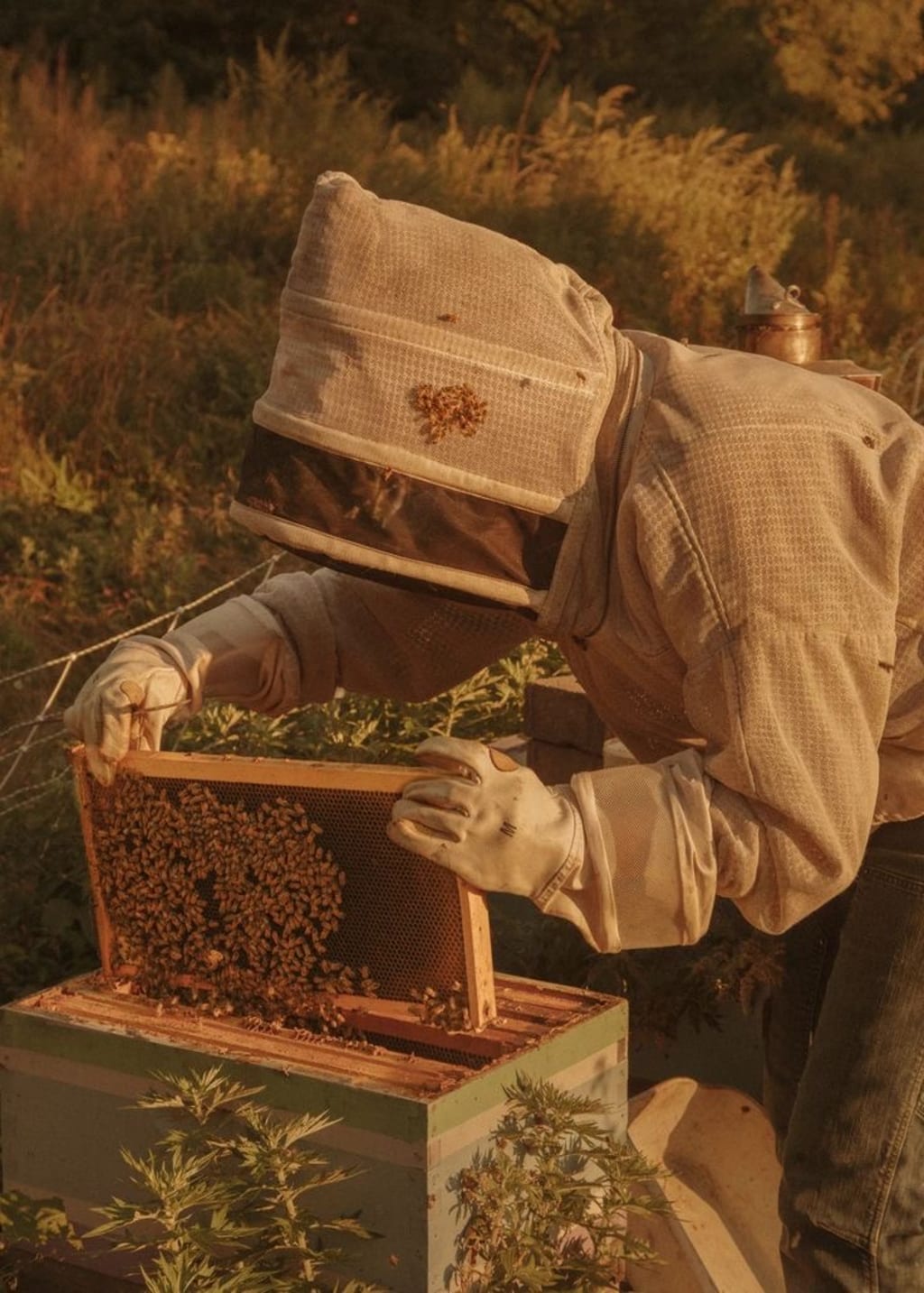
A beehive is a marvel of natural engineering, a bustling microcosm of life where thousands of bees work together in a highly organized society. Inside this hexagonal structure, bees perform a range of essential tasks, each vital to the colony’s survival and the production of honey. From the queen’s vital role to the workers’ tireless labor, life inside a beehive is a fascinating example of teamwork, efficiency, and the intricate balance of nature. This article delves into what life is like inside a beehive and how different types of bees contribute to the colony’s success.
The Beehive Structure: A Network of Hexagons
A beehive is typically composed of thousands of individual cells, each a hexagonal shape made from beeswax. The hive is divided into two main sections: the brood nest (where eggs, larvae, and pupae develop) and the honey storage area (where nectar and honey are stored for winter). These cells serve a variety of purposes:
• Brood Cells: These are the cells where the queen lays her eggs, and where larvae and pupae develop. Worker bees build these cells with precision, ensuring they are uniform and stable.
• Honey Cells: Worker bees create these cells to store the nectar they collect from flowers. As the nectar is processed and dehydrated, it becomes honey, which provides a food source for the colony during the colder months when flowers are not blooming.
• Pollen Cells: Bees store pollen, their primary source of protein, in these cells to feed the colony, particularly the developing brood.
The hive itself is often found inside a tree, a man-made structure, or a natural cavity, and may contain anywhere from a few thousand to tens of thousands of bees, depending on the time of year and the health of the colony.
The Three Types of Bees in the Hive
A beehive is home to three distinct types of bees, each with a specific role to play:
1. The Queen Bee: The queen is the heart of the colony, the only fertile female in the hive. Her primary function is to lay eggs, sometimes up to 2,000 per day during peak season. She is larger than the other bees and is continuously cared for and fed by worker bees. The queen also produces pheromones that help maintain order in the hive and regulate the behavior of the other bees. When a new queen is needed (due to the old queen aging or dying), worker bees will select an egg and feed it a special diet, creating a new queen. The queen never leaves the hive unless she is swarming, a process where the colony splits to form a new hive.
2. Worker Bees: Worker bees are sterile females and make up the majority of the hive population. They have a diverse set of duties throughout their short lifespan (typically a few weeks to a few months in the summer). Their tasks include:
• Nursing: Caring for the brood by feeding larvae royal jelly or pollen.
• Cleaning: Keeping the hive tidy by removing debris and dead bees.
• Foraging: Collecting nectar, pollen, and water from flowers. They convert nectar into honey by evaporating moisture from it and storing it in the honeycomb cells.
• Guarding: Protecting the hive from intruders, including predators like hornets or other animals.
• Waggle Dance: Worker bees communicate the location of food sources to other bees using a complex “waggle dance,” signaling the distance and direction to the nectar or pollen.
3. Drones: Drones are male bees whose primary function is to mate with a virgin queen. Drones do not gather nectar or pollen, nor do they contribute to the maintenance of the hive. They are typically larger than worker bees, with large eyes to help them locate the queen during mating flights. Drones do not have stingers, and their life is brief, typically only lasting for a few months during mating season. After mating with the queen, drones die. If they don’t mate, they are usually expelled from the hive as winter approaches.
Daily Life Inside the Hive
Life inside a beehive is a constant cycle of activity, with bees working in harmony to maintain the colony. Here’s what a typical day might look like:
• Morning: Worker bees begin foraging early in the day, leaving the hive to collect nectar and pollen. Those who are tending to the brood start their nursing and cleaning duties. Worker bees also spend time cooling or warming the hive by fanning their wings to regulate the temperature — important for the development of the brood.
• Midday: The hive continues to buzz with activity. Worker bees might return from foraging trips with nectar or pollen, passing the nectar to fellow bees to process. Queen bees are attended to constantly by worker bees, who feed her and ensure her comfort. If conditions allow, drones may also leave the hive to attempt mating with a queen from another colony.
• Afternoon: The foraging cycle continues, and bees perform various tasks inside the hive, such as cleaning, building, or defending the hive. Worker bees may also engage in the famous “waggle dance” to inform other bees about the location of food sources. If the hive has been growing rapidly, the queen may lay more eggs in the brood cells.
• Evening: As night falls, the hive begins to calm. Foragers return from their flights, and most bees rest inside the hive, with some continuing their work. During the colder months, the colony huddles together to stay warm, with the queen at the center of the cluster.
Cooperation and Communication: The Heart of the Hive
What makes life inside a beehive truly fascinating is the highly organized and cooperative behavior of the bees. The colony operates as a superorganism, with every bee playing a role in the survival of the whole. Pheromones are key to the bees’ communication and coordination. These chemical signals regulate everything from the queen’s egg-laying cycle to the decision-making process when the hive is ready to swarm.
Worker bees also communicate through the waggle dance, which is a precise movement used to indicate the direction, distance, and quality of a food source. This dance is an example of the complex and highly effective communication system that enables a colony to work efficiently.
Seasonal Life Inside the Hive
Life in the beehive also varies with the seasons. In the spring and summer, the colony is in its prime, with a booming population, active foraging, and prolific egg-laying by the queen. During the colder months, however, the hive becomes more dormant. The colony’s size shrinks, as drones are expelled, and the worker bees become less active. Instead of foraging, they remain inside the hive, feeding on stored honey and keeping the brood warm.
Conclusion: The Buzzing World of Bees
Life inside a beehive is a testament to nature’s ability to create complex, efficient systems for survival. With a clear division of labor and sophisticated communication methods, bees function as a single, cohesive unit, each bee contributing to the success of the whole. From the queen’s egg-laying to the worker bees’ foraging, the hive is a finely tuned organism where every bee has its place. As we continue to learn about the intricate world inside a beehive, we gain a deeper appreciation for these remarkable creatures and their role in pollination, biodiversity, and the environment.
About the Creator
Keep reading
More stories from Matilda Otu and writers in 01 and other communities.
The World of Basketball Players: Talent, Dedication, and the Pursuit of Excellence
Basketball is one of the most popular sports in the world, and its athletes are often celebrated for their skill, athleticism, and dedication. Basketball players, whether competing professionally in the NBA, internationally, or at the collegiate and high school levels, demonstrate a unique blend of physical prowess, mental toughness, and teamwork. The journey to becoming a successful basketball player is not only about raw talent but also about commitment, discipline, and the will to overcome challenges.
By Matilda Otuabout a year ago in 01
Data Anonymization Techniques to Ensure Privacy in Modern Enterprises
Enterprises today work with massive volumes of data coming from customers, users, employees, and digital systems. This data is critical for analytics, reporting, artificial intelligence, and strategic decision making. However, much of it contains sensitive or personal information that cannot be exposed or misused. With strict data privacy regulations and growing awareness around data protection, organizations must find a way to use data responsibly.
By Vinod Vasava4 days ago in 01




Comments
There are no comments for this story
Be the first to respond and start the conversation.