
Lemon Jam: Health Benefits You Didn’t Know About This Citrus Treat
Lemon Jam

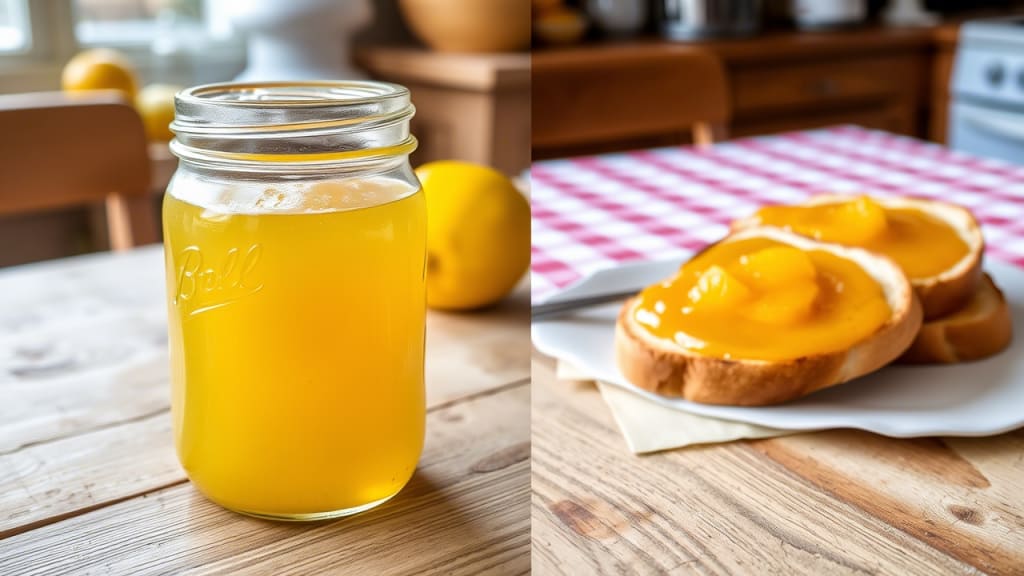
If you're looking for a sweet, tangy, and refreshing spread, then lemon jam is a must-try! This homemade preserve brings out the bright citrus flavors of fresh lemons, making it perfect for toast, desserts, or even savory dishes. Unlike lemon marmalade, which includes bits of peel, lemon jam has a smoother texture with a well-balanced tartness and sweetness.
This guide will take you through everything you need to know about making lemon jam, from selecting the right ingredients to troubleshooting common issues.
What is Lemon Jam?
Lemon jam is a fruit preserve made primarily from lemon pulp, sugar, and water. Unlike marmalade, which contains lemon peel, this jam focuses on the fruit’s juicy and zesty essence. The result is a smoother spread that can be used in various ways, from breakfast spreads to dessert toppings.
Not only is lemon jam delicious, but it’s also a great way to enjoy the immune-boosting benefits of lemons. If you love citrus flavors, you might also enjoy classic lemon tiramisu, which combines citrusy tang with creamy indulgence.
Health Benefits of Lemon Jam
Adding lemon jam to your diet can be both tasty and beneficial. Here’s why:
High in Vitamin C – Strengthens the immune system and promotes collagen production.
Rich in Antioxidants – Helps fight free radicals and supports heart health.
Aids Digestion – The natural acidity of lemons stimulates healthy digestion.
Preservative-Free Alternative – Unlike store-bought jams, homemade versions contain no artificial additives.
Ingredients and Variations
Basic Lemon Jam Recipe
To make a simple, classic lemon jam, you’ll need:
6 medium lemons (preferably organic)
2 cups granulated sugar
1 cup water
1 teaspoon vanilla extract (optional, for added depth of flavor)
Popular Variations:
Meyer Lemon Jam – Made with sweeter, less acidic Meyer lemons.
Lemon-Ginger Jam – Adds a spicy warmth with 1 tablespoon of grated ginger.
Sugar-Free Lemon Jam – Uses honey or a sugar substitute instead of granulated sugar.
Herbal Lemon Jam – Infused with fresh rosemary or thyme for a gourmet twist.
Essential Tools
Sharp knife: Available on Amazon
Cutting board: Available on Amazon
Heavy-bottomed saucepan: Available on Amazon
Step-by-Step Guide to Making Lemon Jam
Making lemon jam at home is easier than you think! Follow these steps for a foolproof recipe.
1. Prepare the lemons
Wash the lemons thoroughly.
Using a sharp knife, peel the lemons, removing as much white pith as possible (as it can make the jam bitter).
Cut the peeled lemons into small pieces, removing the seeds.
If you prefer a more refined texture, blend the lemon pieces into a smooth purée.
2. Cook the mixture
In a saucepan, combine the lemon pieces, sugar, and water.
Stir over medium heat until the sugar completely dissolves.
Bring to a gentle simmer and let it cook for 25-30 minutes, stirring occasionally.
3. Thicken the jam
Continue cooking until the mixture thickens.
To test the consistency, place a small drop on a cold plate—if it sets without running, it's ready!
4. Add flavor and store
Stir in the vanilla extract (if using) in the last few minutes of cooking.
Pour the hot jam into sterilized jars, sealing them tightly.
Let them cool completely before storing them.
For more delicious homemade spreads, check out this avocado butter, which is a creamy alternative perfect for breakfast.
How to Use Lemon Jam
Wondering how to enjoy your homemade lemon jam? Here are some delicious ideas:
Spread it on toast, bagels, or waffles.
Swirl it into yogurt or oatmeal for a citrusy twist.
Use it as a filling for cakes, pastries, or macarons.
Glaze chicken, pork, or fish for a unique, tangy flavor.
If you love experimenting with citrus flavors, you might enjoy this Great Gatsby lemon cake, a perfect complement to afternoon tea.
Storage and Shelf Life
Refrigerator: Lasts up to 3 weeks in an airtight container.
Freezer: Can be stored for up to 6 months.
Shelf Storage: If properly canned using sterilized jars, it stays fresh for up to a year.
Common Mistakes and How to Fix Them
Even experienced jam makers encounter issues. Here’s how to troubleshoot common problems:
Runny jam? Cook it longer or add a small amount of pectin to help it set.
Too thick? Stir in a small amount of water and heat gently.
Bitter taste? Ensure that all white pith is removed from the lemons before cooking.
Crystallized sugar? Use a few drops of lemon juice while cooking to prevent crystallization.
Frequently Asked Questions (FAQs)
1. How do you make lemon jam without pectin?
Lemons naturally contain pectin, so additional pectin isn’t needed. The jam thickens as it cooks.
2. Can I use honey instead of sugar?
Yes! Honey adds a richer flavor and is a great natural alternative to sugar.
3. What’s the difference between lemon jam and lemon curd?
Lemon jam is a fruit preserve made with sugar, while lemon curd includes eggs and butter for a creamy texture.
4. Can I make lemon jam with the whole lemon?
Yes, but it may turn out slightly bitter due to the peel’s natural oils. Removing the pith can help balance the flavors.
5. Why does my lemon jam taste bitter?
The bitterness often comes from the pith. Peeling the lemons carefully and removing excess pith will result in a sweeter jam.
Final Thoughts
Lemon jam is a simple yet versatile preserve that brings a refreshing citrus kick to any dish. Whether you enjoy it as a spread, a glaze, or a filling, this homemade jam is sure to become a kitchen staple.
Looking for more fruit-based desserts? Try this strawberry cake recipe for a naturally sweet treat!
About the Creator
Freshlymaderecipes
Welcome I'm passionate about creating easy, delicious recipes that bring joy to every table. From quick weeknight meals to delightful treats, flavorful dishes and savor the journey with me! 🌟
Keep reading
More stories from Freshlymaderecipes and writers in 01 and other communities.
Green Velvet Cupcakes: A Comprehensive Guide
Green velvet cupcakes are a delightful twist on the classic red velvet cupcakes, offering a vibrant color and a unique flavor that’s perfect for any occasion. Whether you’re celebrating St. Patrick’s Day, hosting a holiday party, or simply craving something sweet, these cupcakes are sure to impress. In this guide, we’ll explore everything you need to know about green velvet cupcakes, from their history to step-by-step recipes, decorating ideas, and more.
By Freshlymaderecipes10 months ago in 01
Blockchain Tracing: A Key Tool in Crypto Asset Recovery
The cryptocurrency ecosystem has expanded rapidly, with billions of dollars in digital assets now in circulation across thousands of blockchains. However, this growth has been accompanied by significant risks, including hacks, scams, phishing attacks, and user errors such as lost private keys or forgotten seed phrases. In 2025, reported losses from crypto-related incidents exceeded several billion dollars, highlighting the persistent vulnerability of digital assets. Unlike traditional banking systems with reversible transactions and centralized oversight, blockchain's decentralized and immutable nature makes recovery difficult once funds are transferred. As a result, blockchain tracing has emerged as an essential method for identifying fund flows, attributing activity, and supporting recovery efforts in actionable cases.
By Garry Oneal6 days ago in 01



Comments (2)
Hey, just wanna let you know that this is more suitable to be posted in the Feast community 😊
I love lemon jam! Amazing!