
Key Specifications to Confirm with a Concrete Pump Company for Stationary Concrete Pumps in Roadbed Stabilization Projects
Aimix Concrete Pumping Solution

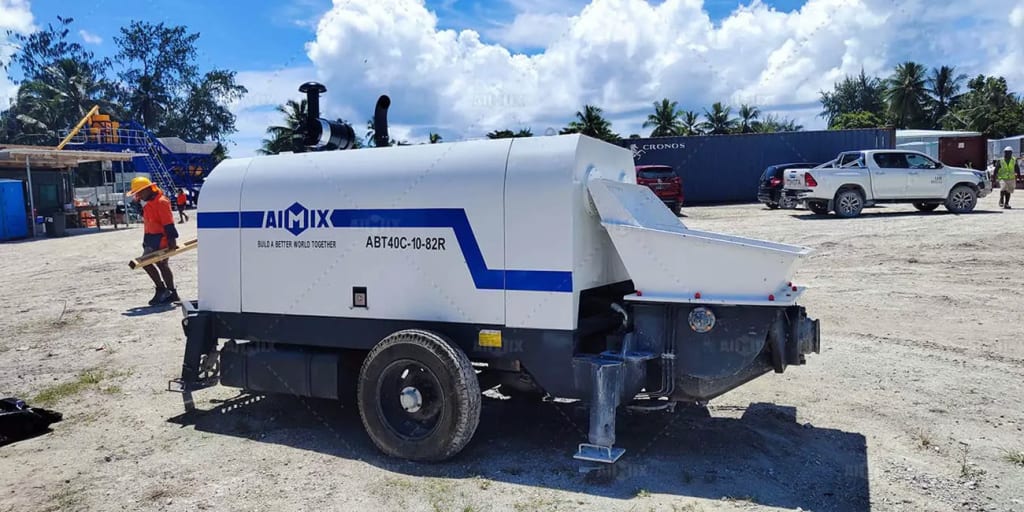
When planning the construction of a roadbed stabilization layer, selecting the right stationary concrete pump is crucial to ensure efficient, high-volume concrete placement that meets engineering standards and project timelines. Unlike mobile concrete pumps, stationary concrete pumps are fixed installations designed for continuous operation, making them ideal for large-scale road construction projects where consistent concrete delivery is required. Before finalizing your purchase or rental agreement with a concrete pump company, it is essential to verify several technical specifications to ensure the equipment aligns with the demands of roadbed stabilization. This guide outlines the critical factors to discuss with suppliers, including pumping capacity, pressure ratings, material compatibility, and operational efficiency, while also addressing maintenance requirements and site-specific considerations for optimal performance.
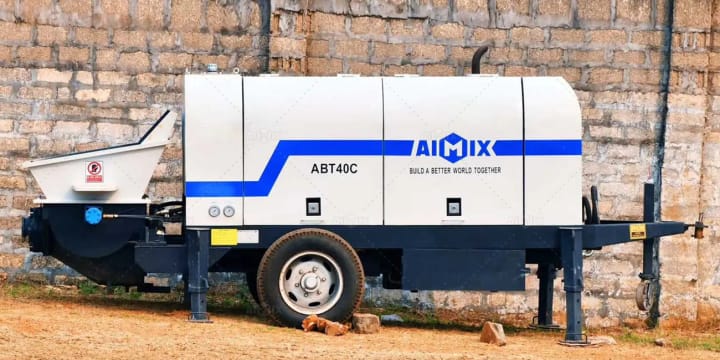
Pumping Capacity and Output Requirements
Roadbed stabilization layers typically require large volumes of concrete to be placed uniformly and efficiently. When consulting a concrete pump company, confirm the following specifications to match the project’s scale and output demands:
A. Volumetric Output (m³/h)
Standard Range: Road stabilization projects often require 60–120 m³/h output to maintain productivity, especially for long stretches of highway or urban roadways.
Variable Speed Control: Ensure the pump allows adjustable flow rates to accommodate varying pour speeds, such as slower placement for reinforced sections or faster delivery for open areas.
B. Maximum Pumping Pressure (Bar)
Pressure Requirements: Roadbed stabilization layers may involve pumping concrete over long horizontal distances (300m+) or through complex reinforcement grids. A stationary concrete pump with 70–120 bar pressure ensures consistent delivery without blockages.
Pipeline Length and Diameter: Confirm the pump can maintain pressure across the required distance, accounting for friction losses in the pipeline. A 125–150 mm diameter pipeline is standard for road projects to reduce resistance.
C. Hopper and Feeding System
Hopper Capacity: A 1.0–1.5 m³ hopper minimizes interruptions during continuous pouring.
Aggregate Size Handling: Road stabilization mixes often contain 20–40 mm aggregates, so verify the pump can handle coarse materials without clogging.
Durability and Material Compatibility
Roadbed stabilization layers often use specialized concrete mixes with additives for strength and durability. Ensure the stationary concrete pump can handle these materials without excessive wear or blockages.
A. Wear-Resistant Components
Pipeline and Cylinders: Opt for hardened steel or chromium-plated components to withstand abrasive mixes containing fly ash or slag cement.
Valve System Design: S-tube valves are common, but rock valve systems may be better for coarse-aggregate mixes to prevent jamming.
B. Chemical Resistance
Sulfate-Resistant Seals: Essential for roadbeds exposed to de-icing salts or industrial runoff.
Corrosion Protection: Coastal or high-humidity regions require pumps with stainless steel or epoxy-coated components.
C. Reinforcement Compatibility
Fiber-Reinforced Concrete: If the mix includes steel or synthetic fibers, confirm the pump can handle them without clogging.
Self-Consolidating Concrete (SCC): For precise placement, ensure the system maintains laminar flow to prevent segregation.
Power Supply and Energy Efficiency
Since stationary concrete pumps are fixed installations, their power requirements and efficiency significantly impact operational costs.
A. Motor Options
Electric vs. Hydraulic:
Electric motors (200–400 kW) are ideal for fixed installations, offering lower operating costs and emissions.
Hydraulic systems provide higher pressure but require more maintenance.
B. Energy-Saving Features
Variable Frequency Drives (VFDs): Reduce energy consumption by adjusting motor speed to match demand.
Heat Recovery Systems: Some pumps capture waste heat for auxiliary uses, improving efficiency.
C. Backup Power Integration
- Ensure compatibility with generators to prevent downtime during power outages.
Control Systems and Automation
Modern stationary concrete pumps feature advanced controls for precision and safety.
A. Control Panel Features
Touchscreen Interfaces: Allow real-time monitoring of pressure, flow rate, and pipeline status.
Remote Operation: Enables control from a central site office, reducing on-site labor.
B. Safety and Monitoring
Automatic Shutdown: Activates if pressure exceeds safe limits.
Vibration Sensors: Detect mechanical stress before failures occur.
C. Data Logging
- Records pour volume, pressure, and time stamps for quality control compliance.
Pipeline and Placement Configurations
Roadbed stabilization requires flexible pipeline setups to accommodate varying site conditions.
A. Pipeline Diameter and Layout
125–150 mm pipelines are standard for high-volume projects.
Bend Radius: Minimum 1m radius bends reduce wear and pressure loss.
B. Cleaning Systems
Automated Flushing: High-pressure water or air systems clear pipelines post-pour.
Waste Management: Closed-loop systems recycle cleaning water, reducing environmental impact.
Maintenance and Service Support
Reliable maintenance is critical for uninterrupted operation.
A. Service Agreements
Preventive Maintenance: Scheduled every 250 operating hours.
Spare Parts Availability: Confirm local stock for wear parts (seals, pistons, elbows).
B. Supplier Expertise
- Choose a concrete pump company with road construction experience.
Training Programs: Ensure operators are certified in pump maintenance.
Cost and ROI Considerations
Evaluate total ownership cost, not just the purchase price.
A. Purchase vs. Rental
Long-term projects benefit from purchasing.
Short-term needs may favor renting.
B. Productivity Gains
Reduced labor costs vs. manual placement.
Faster project completion with continuous pouring.
Ensuring Optimal Performance for Roadbed Stabilization
When selecting a stationary concrete pump for roadbed stabilization, confirm:
✔ Output capacity (60–120 m³/h) and pressure (70–120 bar)
✔ Material compatibility (fiber-reinforced, SCC-ready)
✔ Energy-efficient power systems (electric motors + VFDs)
✔ Advanced controls for precision and safety
✔ Maintenance support from a reputable concrete pump company
By addressing these specifications, contractors can ensure efficient, high-quality concrete placement for durable roadbeds.
About the Creator
consrtuctionmachines
AIMIX is a customer-center-oriented heavy equipment manufacturer and supplier, devoted to production, innovation, combination, one-stop solution, etc.
https://aimixgroup.com/
Keep reading
More stories from consrtuctionmachines and writers in 01 and other communities.
Small Concrete Batch Plant vs. Ready-Mix Delivery: Pros and Cons
A small concrete batch plant is a compact facility—often portable or modular—that produces concrete directly at or near the construction site. It typically includes storage for aggregates and cement, water supply, mixers, and automated control systems to batch concrete according to specific mix designs.
By consrtuctionmachines6 months ago in 01
Data Anonymization Techniques to Ensure Privacy in Modern Enterprises
Enterprises today work with massive volumes of data coming from customers, users, employees, and digital systems. This data is critical for analytics, reporting, artificial intelligence, and strategic decision making. However, much of it contains sensitive or personal information that cannot be exposed or misused. With strict data privacy regulations and growing awareness around data protection, organizations must find a way to use data responsibly.
By Vinod Vasava6 days ago in 01
These Billionaires Bet Big On GreenLand—After Trump Took Interest
Topline Just months after President Donald Trump first expressed interest in the United States possibly gaining control over Greenland, some of the richest people in the world—including Jeff Bezos, Bill Gates and Michael Bloomberg—began making strategic investments in the mineral-rich island.
By Dena Falken Esq2 days ago in 01


Comments
There are no comments for this story
Be the first to respond and start the conversation.