
Japan Personal Luxury Goods Market: Size, Trends and Forecast
Quality as Investment: Inside Japan's Fast-Growing Personal Luxury Goods Market

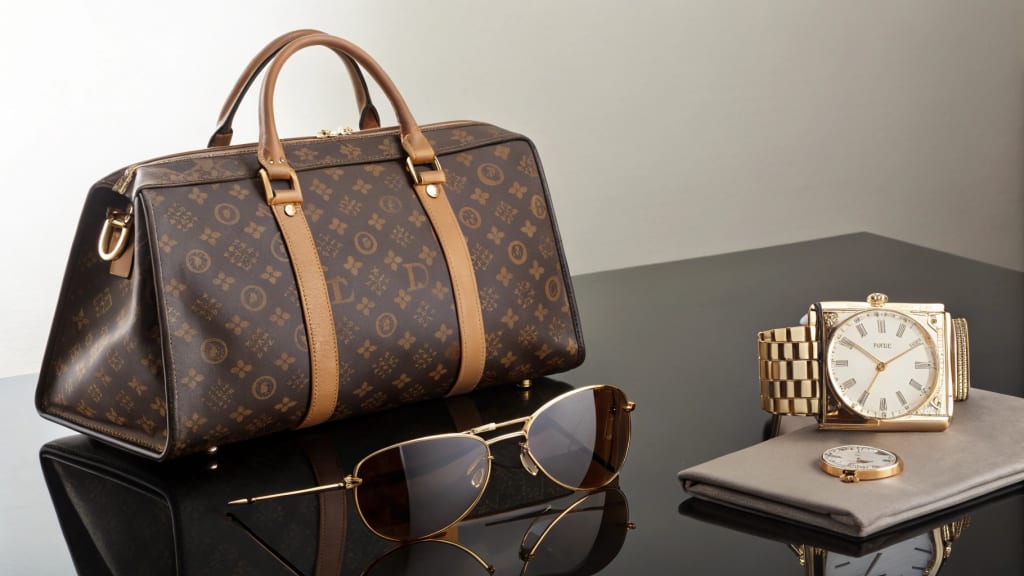
Japan's personal luxury goods sector stands at a fascinating crossroads where centuries-old appreciation for craftsmanship converges with cutting-edge digital commerce. The market has demonstrated remarkable strength and resilience, driven by consumers who view luxury purchases not merely as status symbols but as meaningful investments in quality and artistry.
According to IMARC Group, the Japan personal luxury goods market size reached USD 33,904.1 Million in 2025. Looking forward, IMARC Group expects the market to reach USD 54,718.6 Million by 2034, exhibiting a growth rate (CAGR) of 5.46% during 2026-2034. Japan's personal luxury goods market is driven by a deep cultural appreciation for craftsmanship and heritage, alongside rapid digital transformation and the rise of e-commerce, which together foster strong demand from both traditional consumers valuing quality and younger, tech-savvy buyers seeking exclusive, immersive brand experiences online and offline.
Request PDF Sample for more detailed market insights:
Cultural Emphasis on Craftsmanship and Quality
Japan's cultural appreciation of craftsmanship, frequently defined by the term "monozukuri," serves as a fundamental driver of demand for personal luxury goods. In Japan, there exists a deeply rooted appreciation for artistry, precision, and superior materials, which aligns perfectly with luxury brand values. Consumers do not merely purchase products for brand status; they carefully scrutinize the quality, finish, and heritage of each item.
Luxury handbags, timepieces, jewelry, and clothing that reflect exemplary craftsmanship are viewed not just as accessories but as investments in art and heritage. This cultural characteristic establishes a distinct environment where global luxury names such as Hermès, Rolex, and Chanel coexist with Japanese luxury brands like Issey Miyake and Comme des Garçons.
Unlike markets that prioritize trendiness or conspicuous consumption, Japanese consumers appreciate timeless values and authenticity. They willingly pay premium prices for products that will endure for decades and can even be handed down as family heirlooms. This mindset supports steady demand during economic downturns because the perception of luxury products as long-term investments remains strong.
Digital Transformation and E-commerce Expansion
Japan's swift digital revolution is transforming the luxury retail landscape. Traditionally, Japanese consumers favored physical shopping experiences, with department stores such as Isetan, Mitsukoshi, and Takashimaya serving as trusted destinations due to their reputation, service quality, and reliability. However, recent years have witnessed accelerated digitalization among both brands and consumers, particularly following the COVID-19 pandemic.
Luxury retail in Japan now embraces advanced e-commerce platforms, personalized online experiences, and virtual consultations. Luxury houses have made significant investments in Japan-specific digital strategies, including exclusive product launches on digital platforms, collaborations with local influencers, and virtual flagship stores featuring engaging technologies such as augmented reality fitting rooms.
Japanese consumers, known for their attention to authenticity and detail, have welcomed these advancements. Unlike mass-market e-commerce, luxury e-commerce platforms in Japan prioritize digital storytelling, ensuring that brand history, product craftsmanship, and service quality are presented as compellingly online as in physical boutiques.
In November 2024, Matsuya Ginza launched a new online shopping hub, becoming Japan's first department store to offer global customers a "click and collect" service with tax refunds. The platform features luxury brands like MIU MIU, Prada, and Tom Ford Beauty, allowing shoppers to reserve items online and pick them up in-store, enhancing convenience while personalizing the luxury shopping experience for international tourists.
Role of Innovation in Market Development
Smart and Adaptive Technologies
Technological innovation continues enhancing the efficiency and appeal of luxury retail systems. Modern installations combine sophisticated digital interfaces with personalized customer service, creating seamless shopping experiences. These adaptive features improve customer satisfaction while optimizing brand engagement, particularly in urban environments where consumers expect cutting-edge experiences.
Product Innovation and Market Adaptation
Luxury brands operating in Japan continually adapt their offerings to meet specific local preferences. In July 2024, Estée Lauder announced the launch of Aqua Charge, a personal luxury skincare line developed specifically for Japan. The range includes three products: Medicated Serum Essence, Medicated Milky Cream, and Medicated Treatment Lotion. These products feature proprietary Self-Hydro Technology, incorporating Rice Power, a fermented rice extract, to enhance skin hydration and elasticity.
Cultural Collaborations
In February 2025, Japanese contemporary artist Takashi Murakami collaborated with Major League Baseball and Complex to launch an exclusive merchandise collection celebrating the 2025 MLB Tokyo Series between the Dodgers and Cubs. The collection features Nike apparel, New Era caps, Rawlings baseballs, Victus bats, and Topps trading cards adorned with Murakami's iconic artwork. This collaboration underscores the fusion of art and sports, offering fans unique, collectible luxury items that highlight cultural significance.
Key Growth Drivers in the Japan Market
Government Support and Economic Stability
Japan's economic environment provides a stable foundation for luxury consumption. Japanese consumers have historically maintained luxury purchasing habits during economic uncertainty, viewing quality goods as worthwhile investments regardless of economic cycles. This consumption stability provides luxury brands with more predictable demand compared to markets where luxury spending fluctuates dramatically.
Urbanization and Smart City Expansion
Ongoing urban development and smart city projects are creating sustained demand for modern luxury retail experiences. Luxury brands are being deployed in residential communities, commercial districts, and public spaces where traditional retail expansion integrates with digital innovation. Their standalone operation and scalability make them suitable for both new developments and retrofitting projects.
Tourism Recovery and International Demand
The recovery of international tourism presents significant upside potential for the Japanese luxury market. Prior to the pandemic, international tourists, particularly from other Asian markets, contributed substantially to luxury goods sales in Japan. As international travel normalizes, this demand source could accelerate market growth beyond domestic consumption alone.
Japan Personal Luxury Goods Market Segmentation
By Type
• Accessories
• Apparel
• Watch and Jewellery
• Luxury Cosmetics
• Others
By Gender
• Female
• Male
By Distribution Channel
• Mono-brand Stores
• Specialty Stores
• Departmental Stores
• Online Stores
• Others
By Region
• Kanto Region
• Kansai/Kinki Region
• Central/Chubu Region
• Kyushu-Okinawa Region
• Tohoku Region
• Chugoku Region
• Hokkaido Region
• Shikoku Region
This segmentation demonstrates the market's adaptability across diverse geographic regions and application requirements.
Competitive Landscape
The Japan personal luxury goods market includes domestic manufacturers, international luxury houses, and innovative retail solution providers. Competition is primarily based on brand heritage, product quality, customer service excellence, and total value proposition. Companies offering integrated solutions that combine traditional craftsmanship with digital innovation and personalized experiences are strengthening their market positions.
Major players continuously invest in understanding Japanese consumer preferences, developing market-specific products, and creating omnichannel experiences that respect cultural values while embracing technological advancement.
Market Outlook
The Japan personal luxury goods market is expected to maintain strong momentum as investments in quality craftsmanship, digital innovation, and personalized customer experiences continue. The market's ability to deliver both tangible product excellence and intangible brand experiences positions it as a long-term growth sector for Japan's evolving consumer economy.
Looking ahead, the market will likely see continued integration of online and offline experiences, greater emphasis on sustainability and ethical sourcing, and increasing personalization through data-driven insights and artificial intelligence. Brands that successfully balance traditional luxury values with contemporary innovation will capture the greatest share of this expanding market.
The projected growth from USD 33,904.1 million in 2025 to USD 54,718.6 million by 2034 reflects both market maturity and continued opportunities for brands that understand and respect Japanese luxury consumers. Success requires more than offering premium products—it demands understanding the cultural significance of craftsmanship, the importance of authenticity, and the evolving role of digital channels in luxury shopping journeys.
About IMARC Group
IMARC Group is a leading market research and consulting firm that provides strategy development, industry analysis, feasibility studies, and data-driven insights across global markets. The firm supports businesses, investors, and governments in making informed decisions through reliable and actionable research.
About the Creator
Yoshio
Market Research Analyst with 5+ years of experience in consumer insights and market segmentation. Skilled in data analysis and qualitative research.
8 Secrets Women Will Never Tell Men
1. She Notices How You Talk About Other Women The way you speak about other women says a lot about your character. If you constantly criticize, objectify, or disrespect women, she notices. Even casual jokes or comments can reveal your deeper attitudes. Many women quietly evaluate whether a man respects women in general, not just the woman he is trying to impress.
By The Curious Writer5 days ago in 01


Comments
There are no comments for this story
Be the first to respond and start the conversation.