
Jane Eyre by Charlotte Brontë
Love, Identity, and the Power to Overcome

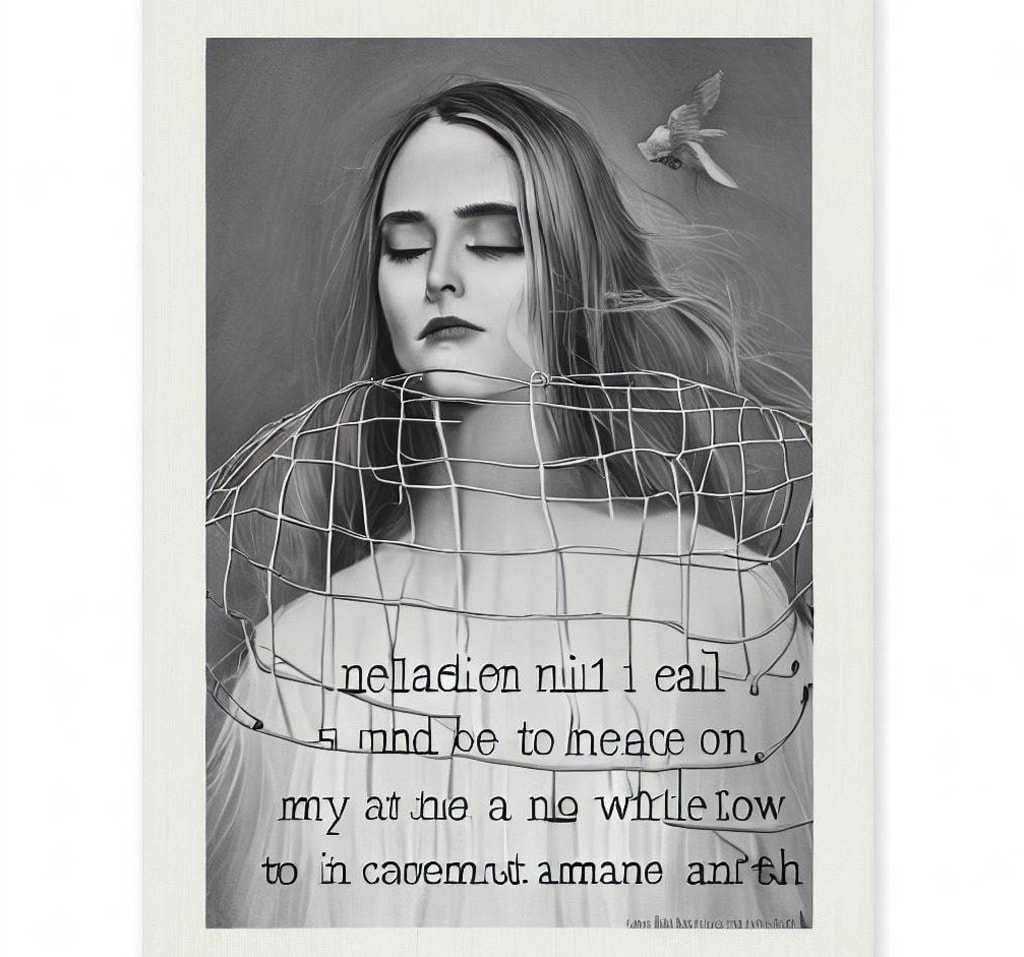
I am no bird; and no net ensnares me: I am a free human being with an independent will
Jane Eyre, written by Charlotte Brontë, is a literary masterpiece that has captivated readers for over a century. Published in 1847 under the pseudonym "Currer Bell," this novel has stood the test of time, resonating with generations of readers through its compelling narrative, richly drawn characters, and exploration of complex themes. Brontë's ability to delve into the depths of human emotions and challenge societal norms make Jane Eyre a profound and thought-provoking novel. In this review, we will delve into the various aspects that make this novel a timeless classic.
Jane Eyre tells the story of its eponymous protagonist, a young orphan girl who faces numerous hardships throughout her life. The novel begins with Jane as a young girl living with her unkind aunt and cousins, who subject her to mistreatment and neglect. Determined to escape her oppressive situation, Jane is sent to Lowood School, a harsh institution where she endures further hardships. Despite the challenges, Jane manages to find solace in her studies and forms a close friendship with Helen Burns, a fellow student.
As Jane grows older, she secures a position as a governess at Thornfield Hall, owned by the brooding and enigmatic Mr. Rochester. Their complex relationship forms the heart of the novel, as Jane and Mr. Rochester navigate their feelings for each other amidst dark secrets and societal constraints. Jane's journey of self-discovery, her struggle for independence, and her unwavering moral compass make for a captivating narrative that keeps readers engrossed till the very end.
Jane Eyre explores a range of themes that are as relevant today as they were during Brontë's time. One of the central themes is the search for identity and the power of individuality. Jane's character evolves from a marginalized orphan to a strong and independent woman, challenging societal expectations and breaking free from the limitations imposed on women in the Victorian era. Through Jane's journey, Brontë emphasizes the importance of self-worth and staying true to one's principles.
Another prominent theme is the exploration of gender roles and the constraints placed on women in the 19th century. Jane Eyre defies the traditional notion of the submissive and passive female protagonist prevalent in many novels of the time. Brontë presents Jane as a strong and intelligent woman, who refuses to compromise her values or submit to societal expectations. Her refusal to be defined solely by her gender challenges the prevailing norms and acts as an inspiration for readers.
Symbolism plays a significant role in the novel, with motifs such as fire, darkness, and light recurring throughout the narrative. These symbols represent the internal struggles faced by the characters and the triumph of the human spirit over adversity. The recurring motif of fire symbolizes Jane's passionate nature and her inner strength, while darkness represents the secrets and trials she encounters along her journey. Light, on the other hand, symbolizes hope, redemption, and the triumph of truth.
Brontë's skill in character development shines brightly in Jane Eyre. Jane herself is a complex and fully realized character, whose inner thoughts and emotions are vividly portrayed. Her intelligence, resilience, and unwavering integrity make her an unforgettable protagonist, whose journey readers become fully invested in. From her challenging childhood to her moral dilemmas and ultimate quest for love and self-fulfillment, Jane's character arc is a testament to Brontë's mastery of storytelling.
Mr. Rochester, the brooding and enigmatic master of Thornfield Hall, is another fascinating character. He is haunted by his troubled past and carries an air of mystery that captivates both Jane and readers alike. Rochester's complexity and internal conflicts add depth to the novel, and his evolving relationship with Jane is one of the most compelling aspects of the story.
Supporting characters such as Helen Burns, Jane's childhood friend at Lowood School, and St. John Rivers, the pious and ambitious clergyman, further enrich the narrative. Brontë expertly weaves these characters into the tapestry of Jane's life, providing contrasting perspectives and moral dilemmas that enhance the overall depth and complexity of the novel.
Charlotte Brontë's writing style in Jane Eyre is marked by its emotional depth, rich descriptive passages, and introspective narrative. Brontë masterfully captures the essence of the Victorian era, depicting the social, cultural, and economic realities of the time. Her prose is imbued with a poetic quality, allowing readers to immerse themselves in the atmospheric settings and experience the characters' innermost thoughts and emotions.
Jane Eyre had a profound impact on both the literary world and society at large. It challenged the prevailing notions of femininity and sparked debates on women's rights and autonomy. Brontë's unflinching portrayal of the realities faced by women in a patriarchal society, as well as her exploration of complex moral and ethical dilemmas, contributed to the novel's enduring relevance.
In conclusion, Jane Eyre by Charlotte Brontë is a timeless masterpiece that continues to captivate readers with its profound exploration of identity, resilience, and the pursuit of love and self-discovery. Brontë's ability to create complex and relatable characters, her skillful use of symbolism, and her powerful writing style make this novel an enduring classic of English literature. Jane Eyre's universal themes and timeless relevance ensure that it will continue to inspire and resonate with readers for generations to come.
About the Creator
Drab
Book Bloggers || Book Reviewer
How to Choose a Web Design Agency for Long-Term Product Growth
If you are looking at a site like a catalog of past work and thinking about hiring a web design agency for B2B and product teams, you are probably already past the phase where “making it look good” is the main problem.
By Valeriia Shulga4 days ago in 01
Handbags and the Ongoing Discussion Around Replica Designer Bags
Handbags are among the most enduring accessories in human history. Originally created for practical storage, they gradually evolved into objects that combine utility, craftsmanship, and visual identity. Historical records show that handbags have been used across cultures to carry personal items, currency, and tools, adapting their form as materials and lifestyles changed. Today, handbags sit at the intersection of fashion, economics, and personal expression.
By charliesamuel7 days ago in 01
Miss Persephone's Manual to a Seemingly Ordinary Life
Miss Persephone was found at the dining table, her blue eyes swollen, her tears arriving and retreating like the tides of the ocean. Earlier that day, her family had visited her in the retirement home where she had lived for eight years. It was her eightieth birthday.
By Imola Tóth3 days ago in Fiction




Comments
There are no comments for this story
Be the first to respond and start the conversation.