
Is Memory Loss in Aging Veterans a Normal Part of Aging?
As veterans grow older, it’s normal to experience some changes in memory. But it’s important to know when these changes are just part of aging and when they might be
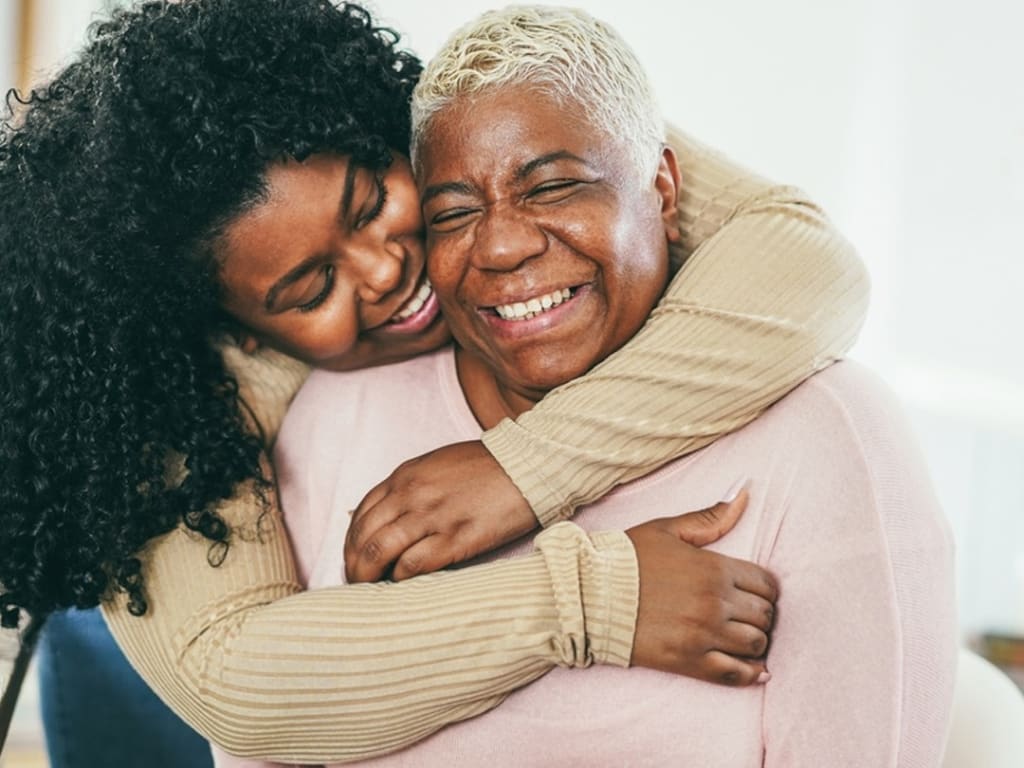
As veterans grow older, it’s normal to experience some changes in memory. But it’s important to know when these changes are just part of aging and when they might be a sign of something more serious. Veterans often deal with unique challenges like past injuries, stress, and trauma, which can affect their memory. Understanding these changes can help families and caregivers offer the best support.
What’s Considered Normal Memory Loss?
As we age, it's common to have small memory lapses. These might include:
● Forgetting names or appointments, but remembering them later
● Taking longer to learn something new
● Misplacing things every so often
These types of memory changes don’t usually affect basic activities like bathing, dressing, or eating. Most people with normal age-related memory loss can still live independently and manage their routines with little help.
When Memory Changes Raise Concern
Some memory issues go beyond normal aging. These can impact both ADLs (activities of daily living), like eating and dressing, and IADLs (instrumental activities of daily living), like paying bills or managing medications. If you notice signs like these, it might be time to take action:
● Asking the same question multiple times
● Getting lost in familiar places
● Having trouble following directions
● Forgetting the names of familiar people
● Experiencing mood changes, poor judgment, or withdrawal
These could be early signs of dementia or another cognitive issue. Veterans, especially those who have experienced trauma or exposure to toxins, may be at higher risk for memory problems.
Unique Factors for Aging Veterans
Veterans may experience memory loss due to past injuries or long-term stress. Some examples include:
● Traumatic Brain Injury (TBI): This can cause memory problems even years after an injury.
● Post-Traumatic Stress Disorder (PTSD): This can lead to trouble concentrating, disorganized thoughts, or blocked memories.
● Sleep Disorders: Conditions like sleep apnea, which are common in older veterans, can affect brain function.
It’s important to remember that not all forgetfulness means dementia. Sometimes, treating sleep problems, managing stress, or adjusting medications can improve memory.
What Families and Caregivers Can Do
Supporting a loved one with memory changes can be challenging, but there are simple steps to help. If memory issues begin to affect ADLs or IADLs, it might be time to look into additional support.
● Use reminders: Tools like calendars, labeled drawers, or phone alerts can help veterans keep track of important tasks. For example, setting reminders for medication or appointments can reduce confusion.
● Create structure: A consistent routine can help reduce confusion. Having regular meal times, rest periods, and activities gives veterans a sense of security.
● Offer gentle help: Sometimes, small tasks like managing finances or grocery shopping may become difficult. Offering support in these areas without taking away independence can make a big difference.
● Seek professional support: If memory changes are significant, it's important to consult with a healthcare professional. They can help rule out issues like depression or vitamin deficiencies, which may be affecting memory.
● Consider caregiving services: Caregiving services in Houston, TX, can provide much-needed support with non-medical needs, like companionship, safety checks, and personal care. These services can help veterans maintain independence while staying safe.
Final Thought
Memory changes are a normal part of aging, but they aren’t always harmless. For veterans, it's especially important to recognize when these changes are normal and when they may indicate something more serious. With the right support, veterans can continue to live fulfilling lives. Home care services in Houston can assist with daily activities and provide the support needed for better well-being.
If you notice memory changes affecting your loved one’s daily life, don’t wait to seek help. Early support can make life easier for everyone involved.
About the Creator
Keep reading
More stories from writers in 01 and other communities.
How to Choose the Best Mobile App Development Company in Canada 2026
Choosing the right app development partner in 2026 isn’t just a procurement decision—it’s a strategic move that can define whether your digital product scales or stalls. The Canadian tech ecosystem has matured rapidly, with agencies offering everything from rapid MVP builds to enterprise-grade platforms powered by AI and cloud-native architectures.
By alan michael5 days ago in 01




Comments
There are no comments for this story
Be the first to respond and start the conversation.