
Internet Safety 2025
Why Georgia Lawmakers Want to Ban Youth from Social Media"

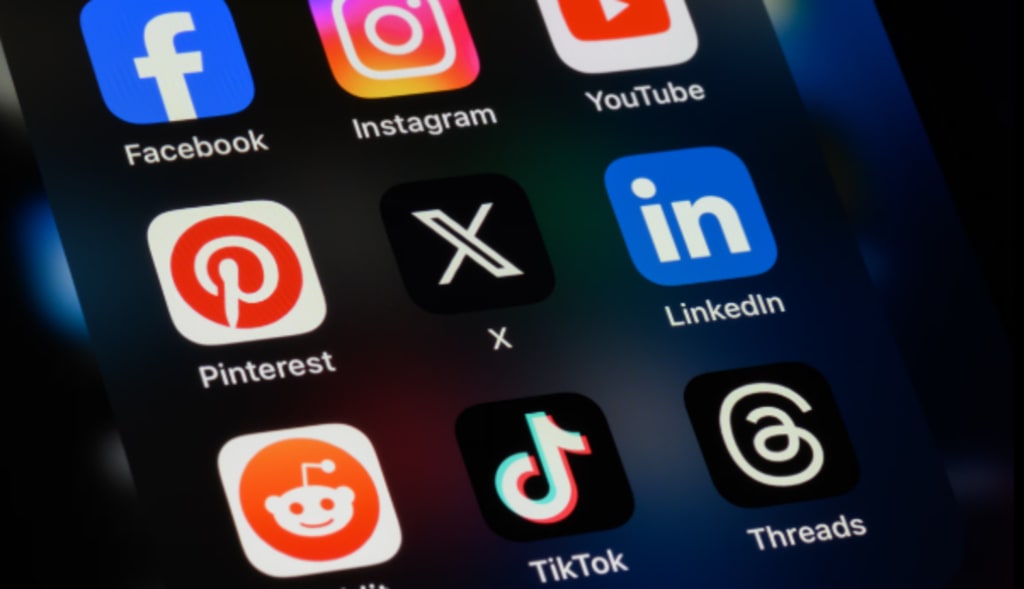
As we move deeper into the digital age, one of the most pressing concerns for parents, educators, and lawmakers is how social media is impacting young people. Social media platforms have become an integral part of our lives, connecting people across the globe, but for younger generations, the influence can be a double-edged sword. Georgia lawmakers are pushing for a drastic measure to protect youth in the digital landscape: banning youth from social media.
But what’s driving this move? Is it the right solution, or does it go too far? In this article, we’ll explore why Georgia lawmakers are taking a stand, the potential benefits and challenges of such a ban, and what this means for the future of internet safety in the U.S.
Why the Concern? Understanding the Dangers of Social Media
Social media can seem harmless, but it comes with its own set of dangers, especially for young minds. Issues like cyberbullying, exposure to inappropriate content, and the pressure of social comparison can negatively affect mental health. In fact, research has linked excessive social media use to increased rates of anxiety, depression, and low self-esteem in teens.
Georgia lawmakers are concerned that the current lack of regulation allows platforms to affect the mental health and overall well-being of young people. This concern has sparked a conversation about how to better protect children in the digital age.
What’s Happening in Georgia?
A Proposed Ban on Social Media for Youth
Georgia’s proposed bill aims to restrict access to social media platforms for minors under 18. The bill suggests that the state should take an active role in protecting youth by ensuring that social media platforms don’t become a tool for harm. If passed, this law would mean youth in Georgia would be barred from using popular platforms like Instagram, Snapchat, TikTok, and others.
What Does This Law Mean for Georgia’s Youth?
If the law goes through, many young people in Georgia would no longer be able to access these platforms unless they had parental permission or met certain requirements. This could potentially change how youth engage with the internet and might push more families to take a more hands-on approach to digital monitoring.
The Push for Internet Safety
Why Internet Safety is More Important Than Ever
The rapid advancement of technology means that children are more exposed to the internet at younger ages. With smartphones, tablets, and other devices, youth have constant access to social media, often without adequate supervision. This exposure to digital spaces comes with risks—ranging from privacy issues to the potential for addiction.
Lawmakers argue that internet safety needs to be prioritized to protect the mental health of young users. With social media’s addictive nature, concerns are mounting over how this constant connectivity impacts the development of young minds.
The Psychological Impact of Social Media on Young Minds
Young people are more susceptible to the psychological effects of social media because they are still developing emotionally and mentally. The constant stream of content, notifications, and images can be overwhelming, and many youths struggle with how to process what they see online. This leads to a range of potential issues.
Mental Health and Social Media: What’s the Connection?
Numerous studies have found a direct link between social media use and mental health issues in young people. Prolonged use has been tied to depression, anxiety, and feelings of loneliness. When youths compare themselves to others online, they often feel inadequate or excluded, which worsens their mental health.
The Pressure of Social Comparison
The constant bombardment of curated, “perfect” lives online can create unrealistic expectations for young users. Social comparison, where individuals measure their worth based on others’ online personas, is at an all-time high. This pressure to keep up with others can lead to self-esteem issues, body image concerns, and feelings of inadequacy.
The Benefits of a Social Media Ban for Youth
While banning social media for minors sounds extreme to some, proponents argue that it could have several benefits that directly address these concerns.
Protecting Mental Health
By limiting access to social media, Georgia lawmakers hope to give youth the chance to focus on real-world interactions and develop healthier habits. This could help reduce the pressure to conform and the exposure to toxic content. In short, a social media ban could give kids the space they need to grow without the burden of online comparison.
Reducing Cyberbullying and Online Harassment
One of the most significant benefits of restricting social media access for youth is the potential reduction in cyberbullying. Unfortunately, many young people face harassment online, and social media platforms often make it easier for bullying to occur without real-world consequences.
How Social Media Can Facilitate Cyberbullying
Unlike face-to-face interactions, social media allows users to hide behind screens, making it easier to say hurtful things without immediate consequences. The anonymity of the internet has given rise to cyberbullying, which can have serious emotional and psychological effects on children and teenagers.
The Growing Need for Digital Literacy and Responsibility
While banning social media might address some immediate concerns, it also highlights the importance of teaching digital literacy. Kids need to learn how to navigate the internet responsibly, understand privacy concerns, and avoid the dangers of social media. Education on internet safety is key to ensuring that children are prepared to handle the digital world safely when they are older.
The Opposition: Why Some Are Against the Ban
Of course, not everyone agrees with banning social media for minors, and the opposition has raised several valid points.
Freedom of Expression and Online Education
Social media can be an important tool for youth expression, activism, and education. Many young people use platforms to discuss social issues, organize movements, or stay connected with peers. Banning access to social media could stifle this form of communication and limit youth engagement in important societal discussions.
The Role of Social Media in Youth Activism
Social media has played a significant role in recent youth-led movements such as Black Lives Matter, climate action protests, and others. Without these platforms, young people might lose their primary means of mobilizing and advocating for change.
Is Banning Social Media Limiting Young Voices?
Some believe that restricting access to social media could be seen as an attempt to control or silence young people’s voices. Youth activism has flourished on social media, and banning access could be seen as a move against the freedom of expression.
What Other States Are Doing to Protect Youth Online
Georgia isn’t alone in its concerns over the impact of social media on young users. Other states and countries are also taking steps to regulate online access for minors.
Legislative Efforts Across the U.S.
Many states are proposing or passing laws that aim to regulate social media usage among minors. Some of these laws include age verification processes, restrictions on the types of content accessible, and even curfews for social media use.
Global Approaches to Youth and Social Media Regulation
Globally, countries like China and South Korea have already implemented measures to control the time young people spend on social media. These efforts are driven by the desire to protect the mental health and development of children, showing that the concern is widespread.
What Does the Future Hold for Social Media and Youth?
Looking ahead, the conversation about social media and youth will continue to evolve. It’s clear that internet safety is crucial, but how do we balance the need for protection with the desire for freedom and expression?
The Role of Parents in Protecting Children Online
Parents play a critical role in monitoring their children’s online activity. Tools like parental controls, screen time management, and open communication about internet safety can help ensure kids stay safe without needing drastic measures like a full social media ban.
Can Technology Companies Do More?
Technology companies have a responsibility to protect young users on their platforms. Whether through better privacy settings, stricter content moderation, or improved mental health resources, platforms can do more to support the safety of minors.
The Responsibility of Social Media Platforms
In the end, it’s not just lawmakers and parents who should act—social media companies need to take more accountability in protecting young users from the negative effects of their platforms.
Conclusion: Is a Social Media Ban the Right Approach for Georgia?
The proposal to ban youth from social media in Georgia raises significant questions about the balance between internet safety and the benefits of social media. While the bill may be well-intentioned, its implications for freedom of expression and youth activism can’t be ignored. Instead of a ban, perhaps a stronger focus on digital literacy, mental health education, and collaboration with tech companies could offer a more nuanced solution.
FAQs
Why are Georgia lawmakers considering banning social media for youth?
They are concerned about the negative impacts of social media on mental health, including cyberbullying and social comparison.
What are the benefits of a social media ban for youth?
A ban could reduce cyberbullying, protect mental health, and give young people a break from the pressures of online life.
How does social media affect the mental health of young people?
Social media can contribute to anxiety, depression, and low self-esteem due to constant comparison and exposure to negative content.
What other states are taking action on social media for youth?
Several U.S. states are considering or have passed legislation to regulate social media use among minors.
How can parents protect their children online?
Parents can use parental controls, monitor screen time, and educate children about the risks of social media.
About the Creator
Apleetech
Apleetech is a Professional Technology Platform. Here we will provide you only interesting content, which you will like very much. We're dedicated to providing you with the best of Technology, with a focus on dependability and Tech.
Top 10 Ecommerce App Development Companies to Watch in 2026
In an increasingly mobile-first world, ecommerce app development has become central to how businesses reach, engage, and convert customers. From personalized shopping experiences to seamless checkout and omnichannel integration, ecommerce apps are now essential for brands of all sizes. As we move deeper into 2026, selecting the right partner to build your digital commerce platform can make the difference between a thriving marketplace and a missed opportunity.
By Aarti Jangid3 days ago in 01
Soundtrack of a City: How Local Music Scenes Reveal the True Soul of a Destination
Music as a Cultural Language Every city has a sound. Long before you understand its history or customs, you can often feel its spirit through the music that fills its streets, clubs, and neighborhoods. Local music scenes act as a living language, expressing everything from struggle and celebration to identity and pride. When you travel, listening to that soundtrack gives you access to emotions and stories that guidebooks can never fully explain.
By Devon Alexisabout 22 hours ago in 01




Comments
There are no comments for this story
Be the first to respond and start the conversation.