
Intel Ups Its AI RAN Game
Here’s What the Xeon 6 Brings!

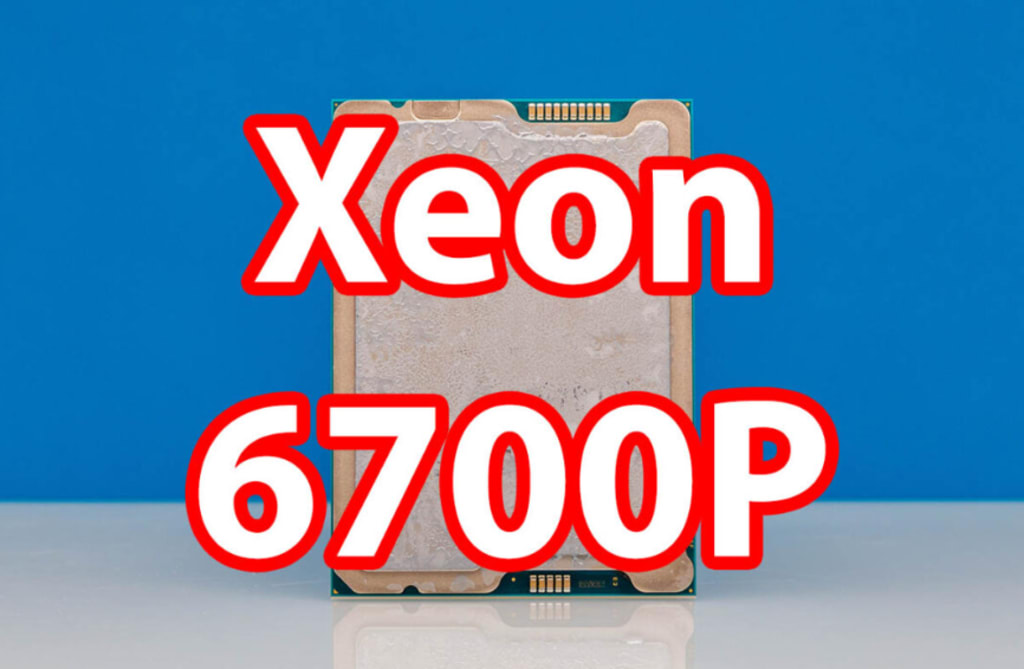
Intel has once again raised the bar in AI-driven networking with the launch of the Xeon 6 processor. As telecom operators and enterprises push for smarter, more efficient networks, AI-powered RAN (Radio Access Network) is becoming a game-changer. With Xeon 6, Intel promises faster, more reliable, and highly scalable network performance. But what does this mean for the industry? Let’s dive in!
Understanding AI-Powered RAN
What is RAN?
Radio Access Network (RAN) is a crucial component of mobile networks, connecting devices to the core network. Traditional RAN setups often rely on fixed infrastructure, but AI-powered RAN introduces automation, flexibility, and efficiency improvements.
Why is AI Important in RAN?
AI enhances RAN by enabling dynamic network management, predictive analytics, and real-time optimization. This ensures lower latency, improved connectivity, and smarter resource allocation.
Intel’s Role in AI-Powered Networks
Intel has been leading AI integration into networking solutions, ensuring that telecom providers can manage data-intensive tasks efficiently. The Xeon 6 processor represents the next step in this evolution.
Intel Xeon 6: The Game-Changer
What Sets Xeon 6 Apart?
Intel’s Xeon 6 brings several innovations, making it ideal for AI-driven RAN. It boasts improved AI acceleration, better power efficiency, and advanced security features.
Key Technical Advancements
Higher core count for enhanced parallel processing
AI acceleration engines for machine learning workloads
Lower power consumption compared to predecessors
Performance Boosts
Compared to previous Intel processors, Xeon 6 offers:
40% faster AI inference processing
30% lower energy consumption
Enhanced support for real-time analytics
Core Features of Intel Xeon 6
AI Acceleration Capabilities
Xeon 6 is built to handle AI workloads efficiently, ensuring that RAN can process vast amounts of data in real time.
Energy Efficiency and Sustainability
Intel has focused on reducing power consumption, making Xeon 6 a greener choice for telecom operators.
Scalability for 5G and Beyond
With the rise of 5G and future 6G networks, Xeon 6 is designed to adapt to evolving network demands.
How Xeon 6 Enhances AI in RAN
Faster Data Processing and Lower Latency
By leveraging AI-driven enhancements, Xeon 6 reduces response times and ensures seamless connectivity.
Improved Network Automation
With AI capabilities, operators can automate network adjustments, improving efficiency and reducing manual interventions.
Handling Massive Workloads
From real-time video streaming to IoT applications, Xeon 6 efficiently manages data-heavy tasks.
Comparison: Xeon 6 vs. Competitors
Intel’s Xeon 6 competes with AMD’s EPYC processors and ARM-based solutions. While AMD offers strong multi-threaded performance, Xeon 6 excels in AI workloads and energy efficiency.
Real-World Applications
Telecom Operators Adopting Xeon 6
Major telecom companies are already integrating Xeon 6 into their infrastructure for enhanced performance.
Use Cases in 5G and Cloud Computing
From smart cities to edge computing, Xeon 6 is powering next-generation AI applications.
Industry Reactions and Expert Opinions
Tech analysts and industry leaders are praising Xeon 6 for its AI optimizations and energy efficiency.
Challenges and Future Outlook
Potential Hurdles
Adopting AI-driven RAN requires infrastructure upgrades, which may pose challenges for some operators.
What Lies Ahead?
Intel continues to innovate, with future iterations of Xeon processors likely to push AI-driven networks even further.
Conclusion
Intel’s Xeon 6 processor is a game-changer in AI-powered RAN, offering enhanced performance, energy efficiency, and scalability. As networks continue to evolve, Xeon 6 paves the way for smarter, faster, and more efficient connectivity.
FAQs
1. What makes Intel Xeon 6 ideal for AI-driven RAN?Xeon 6 is designed with AI acceleration, power efficiency, and high scalability, making it perfect for AI-driven RAN.
2. How does Xeon 6 compare to previous Intel processors?Xeon 6 offers faster AI inference processing, lower energy consumption, and improved real-time analytics capabilities.
3. What industries can benefit from Xeon 6?Telecom, cloud computing, edge computing, and IoT applications can all leverage Xeon 6 for enhanced performance.
4. Is Xeon 6 optimized for 6G networks?While designed for 5G, Xeon 6 has scalability features that will support future 6G advancements.
5. How does Xeon 6 improve network security?With advanced encryption and AI-driven threat detection, Xeon 6 enhances security in network infrastructure.
Intel’s AI-driven push with Xeon 6 marks a significant leap forward in networking technology. Stay tuned as this innovation reshapes the future of connectivity!
About the Creator
Apleetech
Apleetech is a Professional Technology Platform. Here we will provide you only interesting content, which you will like very much. We're dedicated to providing you with the best of Technology, with a focus on dependability and Tech.




Comments
There are no comments for this story
Be the first to respond and start the conversation.