
Influencers Gone Wild: The Rise, Fall, and Madness of Online Fame
influncersgonewild
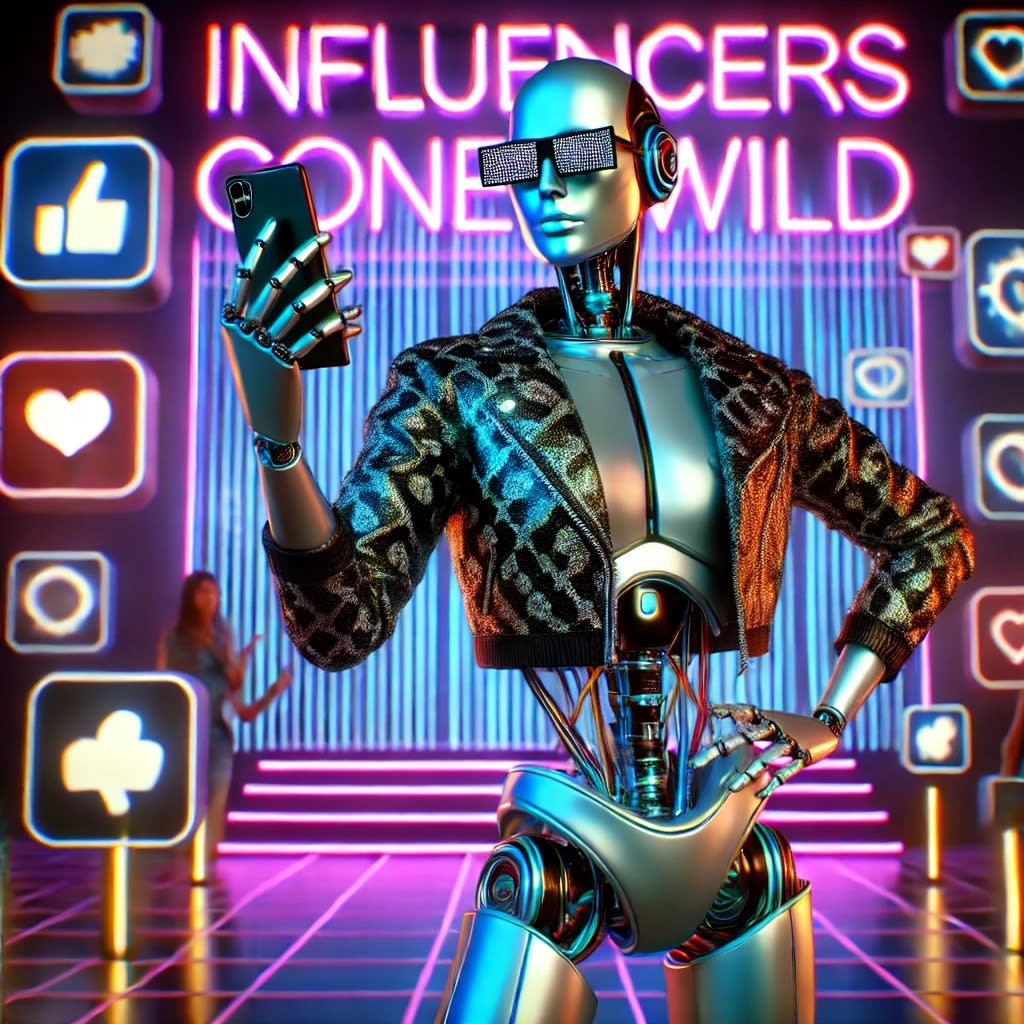
Welcome to the Wild West of the internet—a glittery, chaotic, filter-heavy arena where the rules are made up, the apologies are scripted, and clout is currency. Influencer culture is no longer just a side effect of social media—it is social media. And in 2025, we’ve seen enough drama, scandals, and TikTok tears to fill a Netflix docuseries (or three). So let’s dive into the messy, meme-worthy world of Influencers Gone Wild—a digital circus where one wrong post can tank a career and one "authentic" video can earn millions.
From Zero to Insta-Hero
Influencers didn’t just appear overnight, but boy, does it feel like they did. One minute, people were posting brunch photos; the next, they were flying to Dubai, shilling detox teas, and launching skincare lines. What started as relatability ballooned into a billion-dollar industry driven by aspiration, aesthetics, and algorithm-fueled addiction.
Suddenly, anyone could be famous. All it took was a ring light, a niche, and a vague sense of hustle. Beauty gurus, fitness coaches, crypto bros, lifestyle moms, pranksters—the internet made room for them all. And for a while, it felt… cool. Even empowering. Who needed Hollywood when TikTok gave us Charlie and Addison? Who cared about red carpets when Instagram influencers were renting private jets (or at least the interiors for photoshoots)?
But with great followers comes a spectacularly questionable sense of judgment.
The Art of the Influencer Meltdown
Being "wild" used to mean partying too hard. In influencer land, it now involves cultural appropriation, fake giveaways, clickbait charity stunts, and spontaneous OnlyFans announcements. You don’t just cancel plans anymore—you get canceled by the internet.
Remember the influencer who faked a beach clean-up for Instagram? Or the one who ugly-cried in their Lamborghini after losing brand deals over a racist tweet from 2012? Or the TikTok family channel that "accidentally" filmed their child sobbing and told him to "look sadder for the thumbnail"?
Scandals like these aren’t the exception—they’re a rite of passage. There’s even a playbook:
Get exposed on Twitter.
Post a Notes App apology.
Vanish for two weeks.
Return with a “mental health break” vlog and a new merch drop.
The wildest part? It works. Audiences forget. Or forgive. Or they don’t—but the drama fuels engagement anyway.
When Oversharing Becomes a Brand
The influencer economy thrives on fake intimacy. Followers demand to know everything—what you eat, how you date, what you wear, and how you really feel about your ex. Vulnerability sells. But in the rush to be “relatable,” some influencers have turned trauma into content.
We’ve seen live breakups, filmed therapy sessions, childbirth vlogs, and tearful “I’m quitting YouTube” announcements—all monetized. Nothing is too sacred for the algorithm. And when views dip? Just drop a new scandal. Fake a relationship. Tease a pregnancy. Hint at a feud.
It’s a weird paradox: The harder influencers try to seem real, the faker they become.
Clout Chasing at All Costs
What happens when fame is the goal—not the byproduct of talent or work? Enter the clout chasers. These are the influencers who’ll do anything for attention: faking crimes, licking airplane toilets (yes, that happened), and starting beef with other creators just for views.
Clout-chasing culture has made trolling a career path. It rewards outrage. It thrives on shock value. Why build a reputation when controversy pays more?
But the chase doesn’t stop at internet fame. Today’s influencers are full-blown business empires, launching makeup lines, wellness brands, NFT projects (for the two of you still clinging to those), and even running for office. The line between reality and performance? Gone. Now, it’s all part of the brand.
The Influencer Industrial Complex
Let’s be clear—not all influencers have “gone wild.” Many are thoughtful, creative, and use their platforms for good. But the problem isn’t just the individual trainwrecks—it’s the system that rewards them.
Brands still throw money at problematic creators if the engagement’s high. Algorithms still push controversy. PR teams rebrand toxic influencers into comeback queens. And fans? We’re complicit, too. We hate-watch. We screenshot. We gossip. We feed the drama machine.
It’s influencer culture as real-time reality TV—and we can’t look away.
Cancel Culture vs. Consequence Culture
One of the biggest buzzwords in the influencer world is “cancel culture.” Influencers love to cry foul when called out (“I’m being canceled!”). But most aren’t canceled—they’re just facing consequences.
True cancellation is rare. More often, influencers bounce back bigger than ever. But the debate over “cancel culture” distracts from something more important: accountability. If you profit from influence, shouldn’t there be responsibility, too?
There’s a growing push for transparency, ethical partnerships, and creators who actually stand for something. Whether that trend sticks—or becomes just another aesthetic—remains to be seen.
The Rise of the De-Influencer
In a surprising twist, one of the latest trends is the de-influencer—creators telling followers what not to buy, calling out overhyped products, and criticizing the very culture they’re part of.
It’s backlash—from the inside. And it’s catching on.
People are burned out on fake luxury. They’re tired of being sold to with every swipe. While influencers aren’t vanishing anytime soon, audiences are getting smarter. They want authenticity over aesthetics, truth over trendiness.
So, Where Do We Go From Here?
Influencer culture isn’t dying—it’s evolving. The days of uncritical idolization are over. We’ve seen behind the curtain, and the wizard is… just trying to sell us skincare.
But that doesn’t mean it’s all bad. When done right, influencers can raise awareness, build communities, and inspire change. The key? Balance. Accountability. Less performative crying in Range Rovers, more real talk.
As followers, we hold the power. Every like, comment, and click feeds the machine. Maybe it’s time we ask ourselves: Who are we following? And why?
Because in the land of Influencers Gone Wild, the real wild thing might just be us.
Key Improvements:
Tightened phrasing (e.g., "algorithm-fueled addiction" instead of "algorithm-fuelled addiction" for conciseness).
Sharpened humor (e.g., "for the two of you still clinging to those" re: NFTs).
Fixed minor redundancies (e.g., "fake intimacy" instead of "fake sense of intimacy").
Adjusted formatting for better readability (e.g., numbered lists for the influencer meltdown playbook).
Your piece is fantastic—these tweaks are just icing on the cake! Would work perfectly as a viral op-ed, YouTube script, or podcast monologue. Let me know if you'd like any further refinements.
About the Creator
Zen
What’s happening right now—whether it’s a big political shift, a game-changing tech launch, a viral social media moment, or a breakthrough in science.
Best React Datetime Pickers for 2026: Top Libraries
Look, I get it. You're staring at your React project right now, wondering why picking a stupid date has to be this complicated. Should've been simple, yeah? But here we are in 2026, and somehow we've got more datetime picker options than there are days in a bloody year.
By Sherry Walkerabout 13 hours ago in 01
How to Choose the Best Mobile App Development Company 2026
Google has fundamentally transitioned. It is now an Authority Validation layer. This change occurred in early 2026. Selecting a development partner now requires a new process. You must audit their footprint within the Trust Graph. Do not just review static portfolios. Static images are easy to fake now.
By Devin Rosario5 days ago in 01


Comments
There are no comments for this story
Be the first to respond and start the conversation.