
India Signals Strategic Shift by Expanding U.S. Oil, Arms, and Aircraft Purchases
New Delhi balances economic needs and geopolitical realities while cautiously opening its farm sector to American access

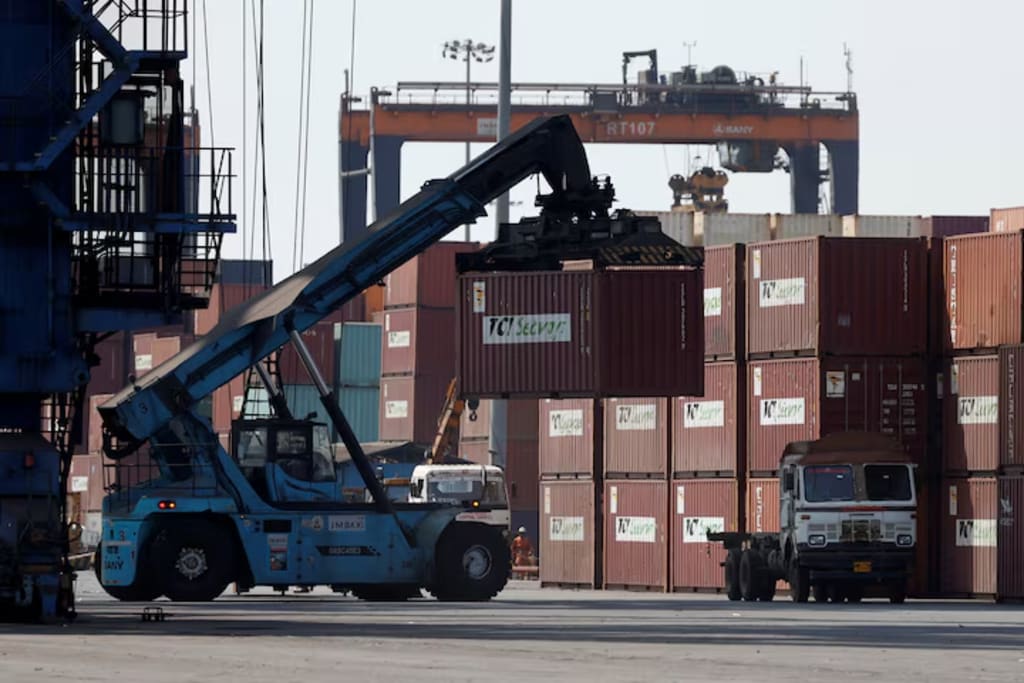
India is preparing to significantly expand its purchases of U.S. oil, military equipment, and aircraft, while also signaling limited openness to American agricultural products. The move reflects a careful recalibration of India’s global strategy—one that blends economic pragmatism with geopolitical foresight as New Delhi navigates a rapidly changing world order.
Rather than a sudden pivot, this approach represents a gradual but deliberate alignment of interests between the world’s largest democracy and the United States. For India, the goal is not dependence, but diversification. For Washington, it is an opportunity to deepen ties with a key Indo-Pacific partner at a time of mounting global uncertainty.
Energy Security Takes Center Stage
India’s growing appetite for energy is one of the strongest drivers behind the push to ramp up U.S. oil purchases. As one of the world’s fastest-growing economies, India’s demand for crude oil continues to rise, even as it invests in renewable energy. Traditionally reliant on Middle Eastern suppliers and, more recently, discounted Russian crude, India is now seeking to broaden its energy portfolio.
U.S. oil offers India a stable, politically reliable source that reduces overexposure to any single region. While American crude is often more expensive due to transportation costs, Indian refiners value the consistency and long-term predictability of supply. Increased imports from the U.S. also help India hedge against geopolitical disruptions that can rattle global energy markets overnight.
For Washington, higher exports to India strengthen America’s role as a global energy supplier and reinforce economic ties that extend beyond short-term market conditions.
Defense Cooperation Deepens
Arms purchases form another critical pillar of the evolving relationship. India has historically sourced military hardware from a wide range of countries, with Russia long serving as its primary defense partner. However, shifting global dynamics and concerns over supply reliability have prompted New Delhi to diversify its defense procurement.
U.S. defense systems—ranging from surveillance drones to advanced aircraft—offer cutting-edge technology and interoperability with Western allies. Recent years have already seen India acquire American military platforms, and further expansion signals growing trust between the two countries’ defense establishments.
This shift does not mean India is abandoning its strategic autonomy. Instead, it reflects a calculated effort to balance relationships while ensuring access to modern technology. For the United States, arms sales to India are not just commercial transactions; they are a means of strengthening a security partnership in the Indo-Pacific, where concerns about regional stability continue to grow.
Aviation and Commercial Aircraft
Beyond military hardware, aircraft purchases—particularly commercial jets—are also part of India’s broader engagement with the U.S. India’s aviation sector is booming, fueled by a rapidly expanding middle class and increasing domestic and international travel. Airlines are placing massive orders to modernize fleets and meet future demand.
American aircraft manufacturers stand to benefit from this expansion, offering fuel-efficient models and long-term maintenance partnerships. These deals create ripple effects across supply chains, generating jobs and investment on both sides. For India, access to advanced aircraft supports economic growth, tourism, and global connectivity.
A Cautious Opening of Farm Access
Perhaps the most sensitive element of this evolving relationship is agriculture. India has long protected its farm sector, which employs a significant portion of the population and carries immense political weight. Any suggestion of opening agricultural markets often sparks concern among farmers worried about competition from heavily subsidized foreign producers.
Still, India appears willing to consider limited access for certain U.S. agricultural products. This is not a sweeping liberalization, but a selective, carefully negotiated opening designed to avoid domestic backlash. Products that do not directly threaten small farmers or that complement domestic supply shortages are more likely to be considered.
For the U.S., even modest gains in farm access represent progress in a market known for its protective barriers. For India, the challenge lies in balancing trade concessions with social stability—an equation that requires precision rather than speed.
Geopolitics Behind the Economics
While trade and commerce dominate headlines, geopolitics looms large in the background. India’s decisions are shaped by its desire to maintain strategic independence while strengthening partnerships that align with its long-term interests. Deepening ties with the U.S. sends a signal about India’s role in the Indo-Pacific without locking it into rigid alliances.
At the same time, New Delhi remains cautious. It continues to engage with a wide range of global players, ensuring that closer ties with Washington do not come at the cost of diplomatic flexibility.
From the American perspective, India represents a vital partner in maintaining a balance of power in Asia. Economic engagement—through energy, defense, and aviation—is one of the most effective ways to anchor that partnership in mutual benefit rather than abstract strategy.
Not a Deal, but a Direction
It is important to note that these moves do not amount to a single, comprehensive deal. Instead, they reflect a direction—one marked by incremental steps, ongoing negotiations, and mutual testing of boundaries. India is signaling openness without surrendering control, while the U.S. is offering partnership without formal guarantees.
Critics on both sides remain watchful. Some in India fear overreliance on American systems, while some in the U.S. question whether India will fully open its markets. Yet diplomacy often advances not through dramatic breakthroughs, but through steady alignment of interests.
As India ramps up purchases of U.S. oil, arms, and aircraft, and cautiously opens limited farm access, it is crafting a strategy rooted in realism. In a fragmented global landscape, such pragmatism may prove to be one of its greatest strengths.
About the Creator
Saboor Brohi
I am a Web Contant writter, and Guest Posting providing in different sites like techbullion.com, londondaily.news, and Aijourn.com. I have Personal Author Sites did you need any site feel free to contact me on whatsapp:
+923463986212
Keep reading
More stories from Saboor Brohi and writers in 01 and other communities.
Minneapolis Hospitality Workers Wary of ICE’s Promises to Pull Back, Union Says
In Minneapolis, thousands of hospitality workers remain deeply uneasy about the presence and activity of U.S. Immigration and Customs Enforcement (ICE) agents, despite recent promises by federal authorities to dial back aggressive enforcement operations. The concerns, expressed by labor advocates and community organizations, reveal a gap between official assurances and the lived experiences of workers — many of whom are immigrants or have immigrant family members.
By Saboor Brohi about 9 hours ago in 01
How Healthcare Revenue Cycle Management Software Elevates Patient Experience & Organizational Productivity
What happens when a healthcare organization fails to manage its finances? Patient frustration rises, and staff productivity decreases. Healthcare revenue cycle management software provides answers to these challenges at a time when financial stability becomes harder to maintain.
By Sara Suarez6 days ago in 01
Cabin Fever Because of Snow, Sleet, and Freezing Rain That Turned to Icy Roads
What Is Cabin Fever? The short answer is that cabin fever is restlessness from being in a confined area. Cabin fever is the distressing irritability or restlessness experienced when a person or group is stuck at an isolated location or in confined quarters for an extended time. Research shows that prolonged cold, gray skies, and being stuck indoors can trigger mood shifts similar to “winter blues.”
By Margaret Minnicks3 days ago in Humans


Comments
There are no comments for this story
Be the first to respond and start the conversation.