
I Tried an AI Voice Generator —Here’s What Surprised Me
I’ve always been curious about those eerily realistic AI voiceovers you hear on YouTube and TikTok. So, I put a few of the most popular AI voice generators to the test
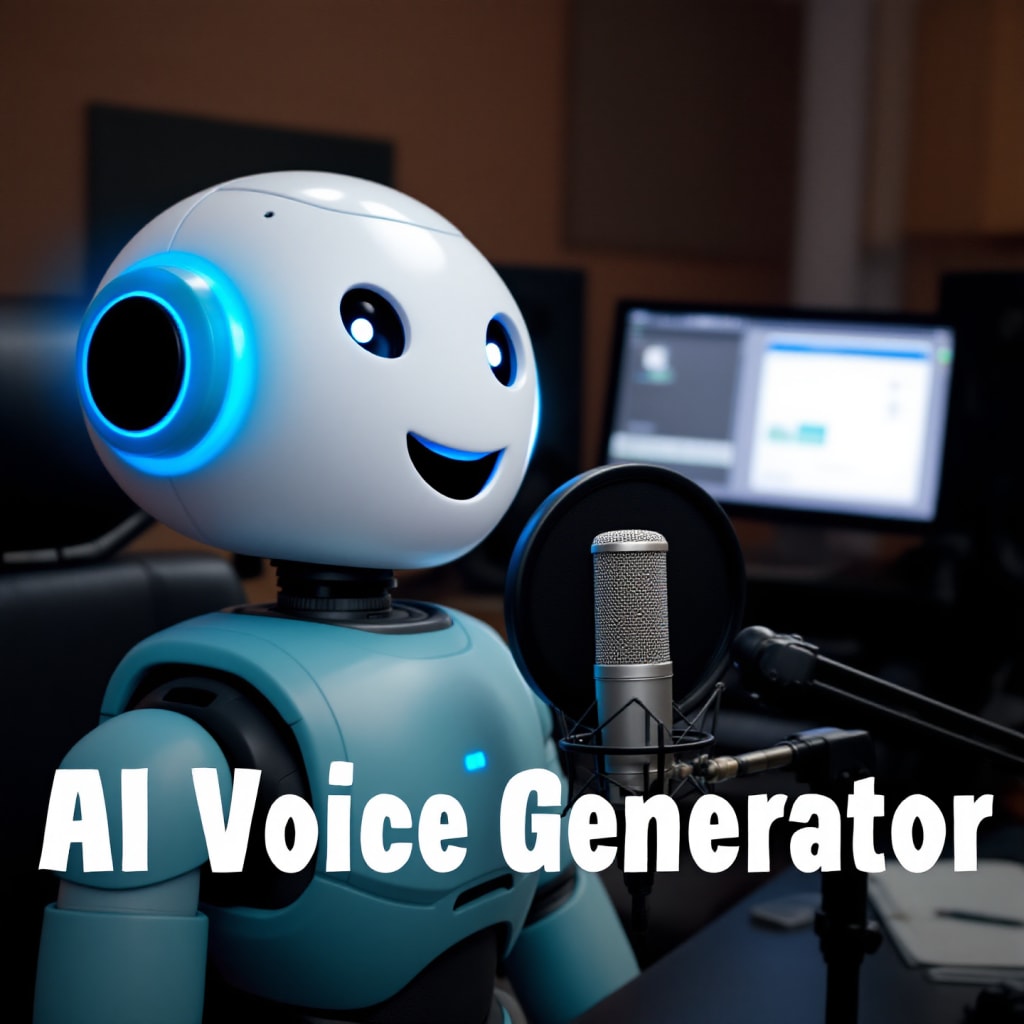
I Tried an AI Voice Generator — And Accidentally Created a Robot Version of Myself
I’ve always been curious about those eerily realistic AI voiceovers you hear on YouTube and TikTok. So, I put a few of the most popular AI voice generators to the test.
It all started because I was bored and a little too caffeinated. I’d been hearing about these AI voice generators — you know, the kind that can clone your voice or read anything you type like a professional voice actor. Naturally, I thought, what could go wrong? So, I dove in.
First off, choosing the platform was like online dating for nerds. Some looked sketchy, like they might also be selling crypto. Others had overly cheerful interfaces that made me feel like I was about to accidentally generate a voice that would haunt my dreams. Eventually, I settled on a reputable one with a clean dashboard and a “no demons in your hard drive” vibe.
I started with basic text-to-speech. I typed in, “Hello, my name is Gregory and I eat soup with a fork.” Just to test it. When the AI voice read it back — in a calm, almost philosophical British accent — I absolutely lost it. It sounded like Sherlock Holmes having an existential crisis over dinnerware. That was the moment I realized: this was going to be fun.
Then I cranked it up. I had the voice read break-up texts in an overly enthusiastic tone. (“It’s not you, it’s me!!! I’m just trying to grow as a person!!!”) I gave it motivational quotes and set the emotion to “sad.” Hearing an AI say “Believe in yourself” while sounding like it was about to cry? Weirdly moving. It felt like a robot trying its best to be my life coach after a long week.
But then came the clone. I uploaded a short audio clip of myself just saying a few lines. Within minutes, the AI had cloned my voice. When I hit play and heard me — sort of — read out a pizza order in a robotic version of my tone, I physically recoiled. It was like listening to my evil twin who’d just escaped a simulation. The voice sounded… like me, if I had no soul and a slight cold.
Naturally, I pushed it further. I made AI-Me recite poetry. Shakespeare, specifically. Hearing “my” voice say, “Shall I compare thee to a summer’s day?” with the emotional range of a toaster was equal parts hilarious and heartbreaking. At one point I laughed so hard I scared my cat.
Then I tried something emotional. I typed in a message I’d written to a friend during a tough time, and had the AI read it out loud. And that’s when it hit me — the words sounded completely different when someone else (even an artificial someone) said them. It was like hearing your own thoughts from the outside. I actually teared up. Yep, I got choked up by a robot voice. 2025 is weird.
The whole experience felt like a rollercoaster: one minute I was laughing at AI-me singing “Happy Birthday” in opera style, the next I was contemplating the nature of identity and how our voices are tied to who we are. There's something oddly intimate about hearing your synthetic self speak. It messes with your brain a bit.
Of course, it also made me think: this tech is powerful. Like, impersonate-your-boss powerful. I started imagining all the ways it could be misused — scams, deepfakes, weird prank calls. (I may or may not have had AI-me prank text a friend in pirate voice. It was hilarious until they asked if I was okay.) There’s a fine line between fun and freaky.
Would I do it again? In a heartbeat. But I’d wear emotional armor next time. AI voice generators are like karaoke machines for your identity: you’ll laugh, you might cry, and you’ll probably embarrass yourself. But it’s absolutely worth the ride.
About the Creator
Keep reading
More stories from James Brock and writers in 01 and other communities.
I Asked ChatGPT to Run My Life for 7 Days—Here’s What Happened
I Asked ChatGPT to Run My Life for 7 Days—Here’s What Happened In a bold mix of curiosity, burnout, and too many unopened planner apps, I decided to let ChatGPT take the wheel of my life for one full week. Meals, outfits, messages, productivity hacks—you name it, I handed it over to the AI overlord (okay, friendly assistant). Here's how it went, day by day.
By James Brock11 months ago in 01
The Growing Interest in VSF Super Clone Watches
Luxury watches have long been associated with prestige, craftsmanship, and engineering excellence. Iconic watchmakers spend decades refining their movements, materials, and designs to create timepieces that are admired around the world. However, the extremely high prices of authentic luxury watches place them far beyond the reach of many enthusiasts. Because of this, conversations about alternative ways to experience luxury watch design have grown in online watch communities.
By charliesamuel7 days ago in 01


Comments
There are no comments for this story
Be the first to respond and start the conversation.