
Human Life: A Journey from Beginning to End
Life

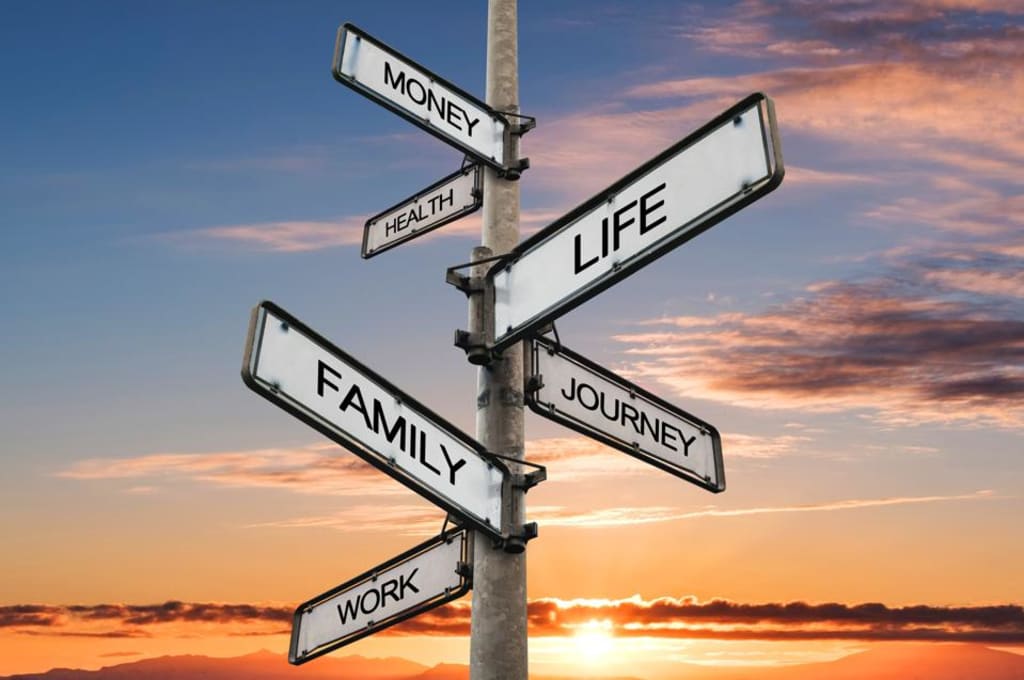
Human life is a remarkable and intricate journey, shaped by biology, culture, relationships, and personal experiences. From the moment of conception to the final breath, life is a continuous process of growth, learning, and transformation. This article delves into the stages of human life, the factors that influence it, and the profound questions it raises about existence, purpose, and legacy.
The Beginning of Human Life
The start of human life is a topic of immense scientific, philosophical, and ethical significance. It marks the beginning of a unique individual with the potential for growth, development, and contribution to the world.
1. Biological Beginnings
From a biological perspective, human life begins at conception, when a sperm cell fertilizes an egg, forming a zygote. This single cell contains the complete genetic blueprint for a new human being.
• Key Stages of Early Development:
o Zygote: The fertilized egg undergoes rapid cell division.
o Embryo: From weeks 2 to 8, major organs and systems begin to form.
o Fetus: From week 9 until birth, the developing human grows and refines its structures.
• Milestones:
o Heartbeat: Detectable as early as 6 weeks.
o Brain Activity: Begins around week 8.
o Viability: The point at which the fetus can survive outside the womb, typically around 24 weeks.
2. Philosophical and Ethical Perspectives
The question of when human life begins is deeply tied to debates about personhood, rights, and morality.
• Personhood: Some argue that life begins at conception, while others believe it starts at viability, birth, or even later.
• Ethical Implications: These debates influence issues like abortion, embryonic research, and reproductive technologies.
3. Cultural and Spiritual Views
Different cultures and religions have unique beliefs about the beginning of life, often tied to concepts of the soul and divine creation.
• Christianity: Many believe life begins at conception, emphasizing the sanctity of life.
• Islam: Life is often considered to begin at ensoulment, around 120 days after conception.
• Hinduism and Buddhism: These traditions view life as part of a continuous cycle of birth, death, and rebirth.
The Stages of Human Life
Human life is commonly divided into stages, each characterized by distinct physical, emotional, and social developments.
1. Infancy (0-2 years)
• Physical Development: Rapid growth, motor skill development, and sensory exploration.
• Emotional Development: Formation of bonds with caregivers, development of trust.
• Milestones: First steps, first words, and early social interactions.
2. Childhood (3-12 years)
• Physical Development: Steady growth, refinement of motor skills.
• Cognitive Development: Learning language, problem-solving, and critical thinking.
• Social Development: Building friendships, understanding social norms, and developing a sense of self.
3. Adolescence (13-19 years)
• Physical Development: Puberty, hormonal changes, and sexual maturation.
• Emotional Development: Identity formation, emotional regulation, and independence.
• Social Development: Peer relationships, exploration of values, and preparation for adulthood.
4. Adulthood (20-64 years)
• Early Adulthood (20-39 years): Career development, forming long-term relationships, and starting families.
• Middle Adulthood (40-64 years): Career stability, raising children, and planning for the future.
• Physical Changes: Gradual decline in physical abilities, onset of age-related health issues.
5. Late Adulthood (65+ years)
• Physical Changes: Slower metabolism, reduced mobility, and increased health concerns.
• Emotional Development: Reflection on life, legacy, and relationships.
• Social Development: Retirement, grandparenting, and community involvement.
Factors Influencing Human Life
Human life is shaped by a combination of internal and external factors, including genetics, environment, and personal choices.
1. Genetics
• Inherited Traits: Physical appearance, susceptibility to diseases, and personality traits.
• Genetic Disorders: Conditions like Down syndrome or cystic fibrosis that impact development and health.
2. Environment
• Physical Environment: Access to clean water, nutritious food, and safe living conditions.
• Social Environment: Family dynamics, education, and cultural influences.
• Economic Factors: Income, employment, and access to healthcare.
3. Personal Choices
• Lifestyle: Diet, exercise, and habits like smoking or drinking.
• Education and Career: Choices that shape opportunities and quality of life.
• Relationships: The impact of friendships, romantic partnerships, and family bonds.
The End of Human Life
The end of human life is as profound as its beginning, raising questions about mortality, legacy, and the afterlife.
1. Biological Perspective
Death is the irreversible cessation of vital functions, including heartbeat, brain activity, and respiration.
• Causes of Death: Disease, aging, accidents, or external factors.
• Process of Dying: The gradual shutdown of bodily systems, often accompanied by physical and emotional changes.
2. Philosophical Perspectives
Philosophers have long pondered the meaning of death and its impact on life.
• Existentialism: Death gives life meaning by imposing limits and encouraging authenticity.
• Dualism: The separation of mind and body, suggesting the soul may continue after death.
• Materialism: Death as the end of consciousness, with no existence beyond the physical body.
3. Religious and Spiritual Views
Religions offer diverse beliefs about the afterlife and the soul’s journey.
• Christianity: Belief in resurrection and eternal life in heaven or hell.
• Islam: Teachings about the Day of Judgment and the afterlife in paradise or hellfire.
• Hinduism and Buddhism: The cycle of reincarnation, driven by karma.
• Indigenous Traditions: Death as a return to the earth or a journey to the spirit world.
4. Ethical and Legal Perspectives
The definition of death has implications for organ donation, end-of-life care, and euthanasia.
• Brain Death: The legal standard for declaring death in many countries.
• Euthanasia: Debates over the right to die with dignity.
The Legacy of Human Life
Human life is not just about existence but also about the impact we leave behind.
• Personal Legacy: Memories, relationships, and contributions to family and community.
• Cultural Legacy: Art, literature, and traditions passed down through generations.
• Scientific and Technological Legacy: Innovations and discoveries that shape the future.
Conclusion
Human life is a complex and beautiful journey, marked by growth, challenges, and profound moments of connection. From the miracle of conception to the inevitability of death, every stage of life offers opportunities for learning, love, and legacy. While science provides insights into the biological processes of life, philosophy, religion, and culture offer deeper meanings and interpretations. Together, these perspectives remind us that human life is not just a biological phenomenon but a rich tapestry of experiences, relationships, and contributions that define our existence. Whether viewed through the lens of science, spirituality, or personal reflection, the journey of human life continues to inspire awe, wonder, and exploration.
About the Creator
SearchEngineWays
SearchEngineWays - Your Trusted Partner in SEO Link Building + Content Marketing :) :)
High Authority Guest Postings,
and Web Development Services.
Keep reading
More stories from SearchEngineWays and writers in 01 and other communities.
Google Provides Timeline to Improve Publishers Search Visibility
Google has always prioritized helping publishers improve their search visibility, and its latest guidance provides a structured timeline for optimizing content and technical SEO. In a recent update, Google outlined key steps publishers should take to enhance their rankings, emphasizing content quality, user experience, and long-term strategy.
By SearchEngineWays12 months ago in 01
The Future of Productivity Is Voice
Introduction The future of Productivity is rapidly shifting toward voice. In 2026, advanced AI technology allows Virtual Assistants to do more than follow commands — they understand context, anticipate needs, and help you manage your day effortlessly. Speaking to your assistant is faster, more natural, and often more efficient than typing or clicking.
By MUHAMMAD SHAFIE4 days ago in 01



Comments
There are no comments for this story
Be the first to respond and start the conversation.