
How Urbanization Impacts the Ready Mix Concrete Plant Industry
Exploring how rapid urban growth drives demand, raises setup costs, and accelerates innovation in the ready mix concrete plant industry.
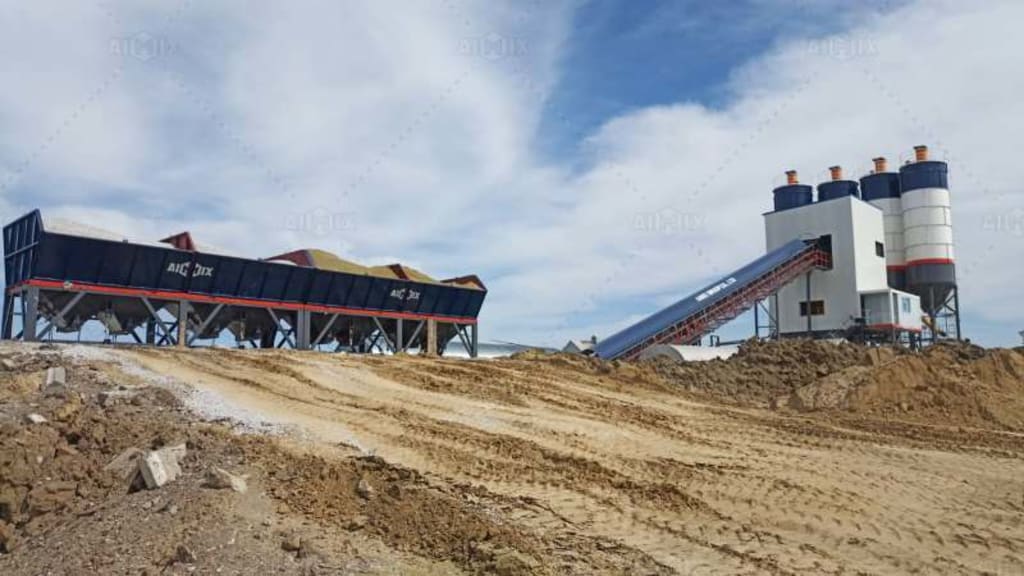
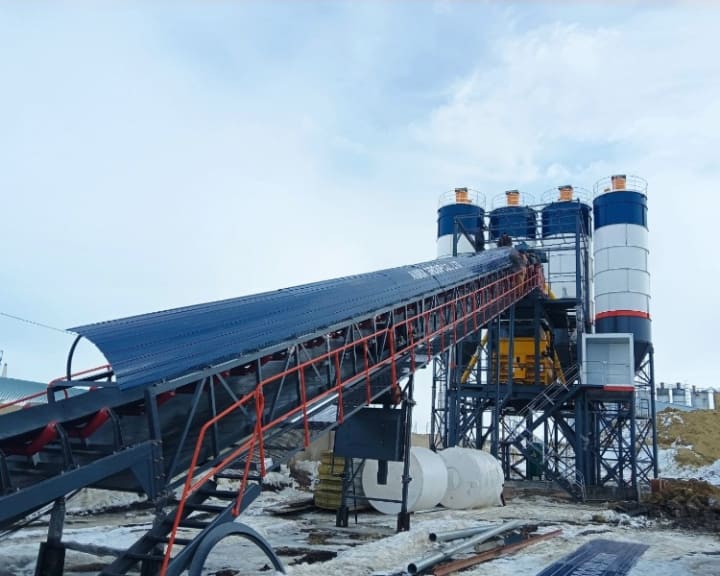
Urbanization is reshaping the landscape of modern infrastructure and construction around the globe. As cities expand and populations increase, the demand for high-quality, efficiently delivered concrete rises in parallel. This growing urban footprint is directly influencing the ready mix concrete plant industry, creating both opportunities and challenges. From a surge in plant installations near metropolitan areas to rising concerns over environmental impact, urbanization plays a pivotal role in steering the future of this vital sector.
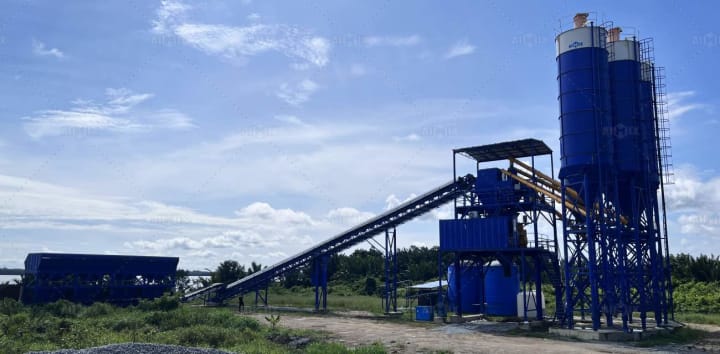
The Rise of Urban Construction Projects
One of the most direct consequences of urbanization is the proliferation of large-scale construction projects — including residential towers, commercial complexes, roads, bridges, and public infrastructure. These developments require consistent volumes of high-grade concrete, making ready mix concrete plant essential for timely delivery and uniform quality.
Unlike on-site mixing, ready mix concrete offers better control over material proportions, consistency, and curing time. As a result, construction companies in urban centers increasingly rely on ready mix concrete plants for their projects. This demand stimulates investment in new plants, especially in fast-growing urban hubs across Asia, Africa, and Latin America.
Strategic Location of Ready Mix Concrete Plants
Urbanization influences not just demand but also the strategic placement of ready mix concrete plants. To minimize transportation time and costs — and ensure concrete is delivered within the workable time window — plants must be located near construction hotspots. This has led to the clustering of batching plants on city outskirts or within industrial zones near urban developments.
However, setting up a plant in or near a city brings additional considerations such as zoning laws, emissions control, noise pollution, and community concerns. Urban areas typically have stricter environmental regulations, pushing plant operators to adopt cleaner technologies and better dust control systems.
Urban Regulations and Compliance
With increased urban density comes tighter regulation. Ready mix concrete plant operators must comply with urban planning laws, labor standards, and environmental controls, which can influence both operational strategies and setup costs. Urban municipalities may require plants to use eco-friendly technologies like enclosed mixing systems, recycling facilities for wastewater, and dust collection units to reduce air pollution.
While these regulations improve sustainability, they also raise the ready mix concrete plant setup cost. Investors must factor in additional expenses related to permits, emissions control systems, and specialized machinery that meets local compliance standards. Despite these higher upfront costs, the long-term benefit of operating in high-demand areas often outweighs the investment.
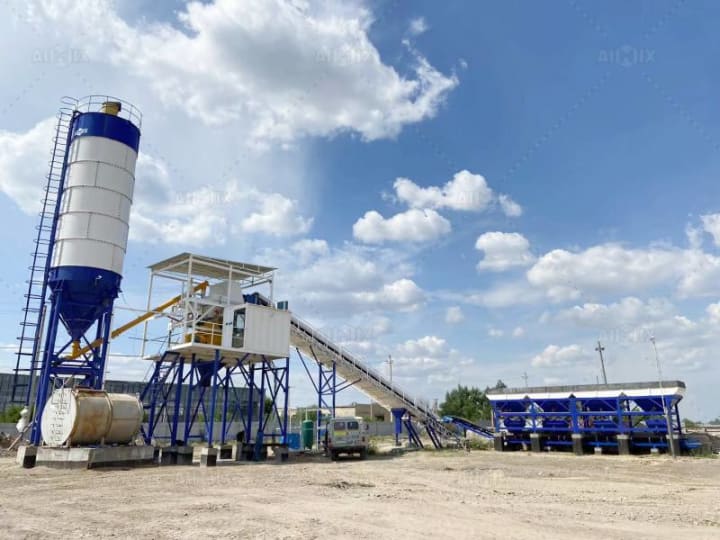
Technology Adoption in Urban Environments
To remain competitive in urban markets, many plant operators are turning to automation and smart technologies. Digital batching systems, real-time monitoring, and fleet tracking tools are becoming standard in urban ready mix concrete plant setups. These technologies not only improve efficiency and product consistency but also help operators meet stringent delivery schedules and minimize downtime.
Automated systems also contribute to reducing waste and optimizing material usage — an important consideration in urban areas where space, materials, and logistics are often constrained. As smart city development accelerates, technology-driven batching plants will become the norm rather than the exception.
Rising Setup Costs and ROI in Urban Areas
The ready mix concrete plant setup cost in urban regions tends to be higher than in rural settings due to a combination of land prices, regulatory compliance, and infrastructure needs. A standard plant may require an investment of $100,000 to $500,000 or more, depending on capacity, level of automation, and location.
Key cost components include:
Land acquisition or lease
Foundation and civil work
Mixing equipment and batching system
Cement and aggregate storage
Control room and automation systems
Environmental compliance (dust control, noise barriers)
Truck mixers and delivery fleet
However, the return on investment (ROI) in urban markets is often faster due to high demand and shorter delivery routes. Plant operators can secure long-term supply contracts with developers, municipalities, and infrastructure companies, ensuring steady revenue streams.
Environmental Pressures and Green Innovation
Urban populations are increasingly aware of environmental issues, prompting city governments to enforce stricter sustainability standards. Ready mix concrete plants must now adopt green practices such as:
Using recycled aggregates and supplementary cementitious materials (SCMs)
Installing wastewater recycling systems
Reducing noise and dust emissions
Switching to electric or hybrid delivery trucks
While these measures increase initial costs, they also improve the public image of the business and can qualify operators for government incentives or green certifications. Future-ready plants that prioritize sustainability will have a competitive advantage in the urban construction ecosystem.
Conclusion
Urbanization is a powerful force shaping the trajectory of the ready mix concrete plant industry. The expansion of cities brings significant opportunities, including high concrete demand and steady project pipelines. However, operating in urban areas also comes with challenges — from regulatory compliance to elevated ready mix concrete plant setup cost.
Success in this evolving environment depends on strategic planning, technological adoption, and a commitment to sustainability. As urban development continues to surge, ready mix concrete plant operators who align with these trends will be well-positioned to thrive in a dynamic and competitive market.
About the Creator
consrtuctionmachines
AIMIX is a customer-center-oriented heavy equipment manufacturer and supplier, devoted to production, innovation, combination, one-stop solution, etc.
https://aimixgroup.com/
Keep reading
More stories from consrtuctionmachines and writers in 01 and other communities.
High-Capacity Concrete Mixer Self-Loading Costs in the Philippines
In the Philippines, the demand for high-capacity self-loading concrete mixers is on the rise. These machines offer efficiency and convenience for construction projects. Understanding their costs can help buyers make informed purchasing decisions. This article explores the pricing dynamics of these mixers in the Philippine market.
By consrtuctionmachines8 months ago in 01




Comments
There are no comments for this story
Be the first to respond and start the conversation.