
How Top Agencies Nail Onboarding — And Keep Talent Thriving
How Smart Agencies Win With Preboarding & Beyond

Hiring skilled digital marketers is only half the battle. The real win happens after they join your agency. That’s when the real work begins — onboarding.
Without a thoughtful, structured onboarding process, new hires may struggle to understand expectations, tools, team dynamics, and your company culture. The result? Lost productivity, increased turnover, and disengaged employees.
To help agencies get onboarding right, a panel of experienced agency leaders shared their battle-tested strategies for integrating new digital marketing hires effectively. Here's what they had to say:
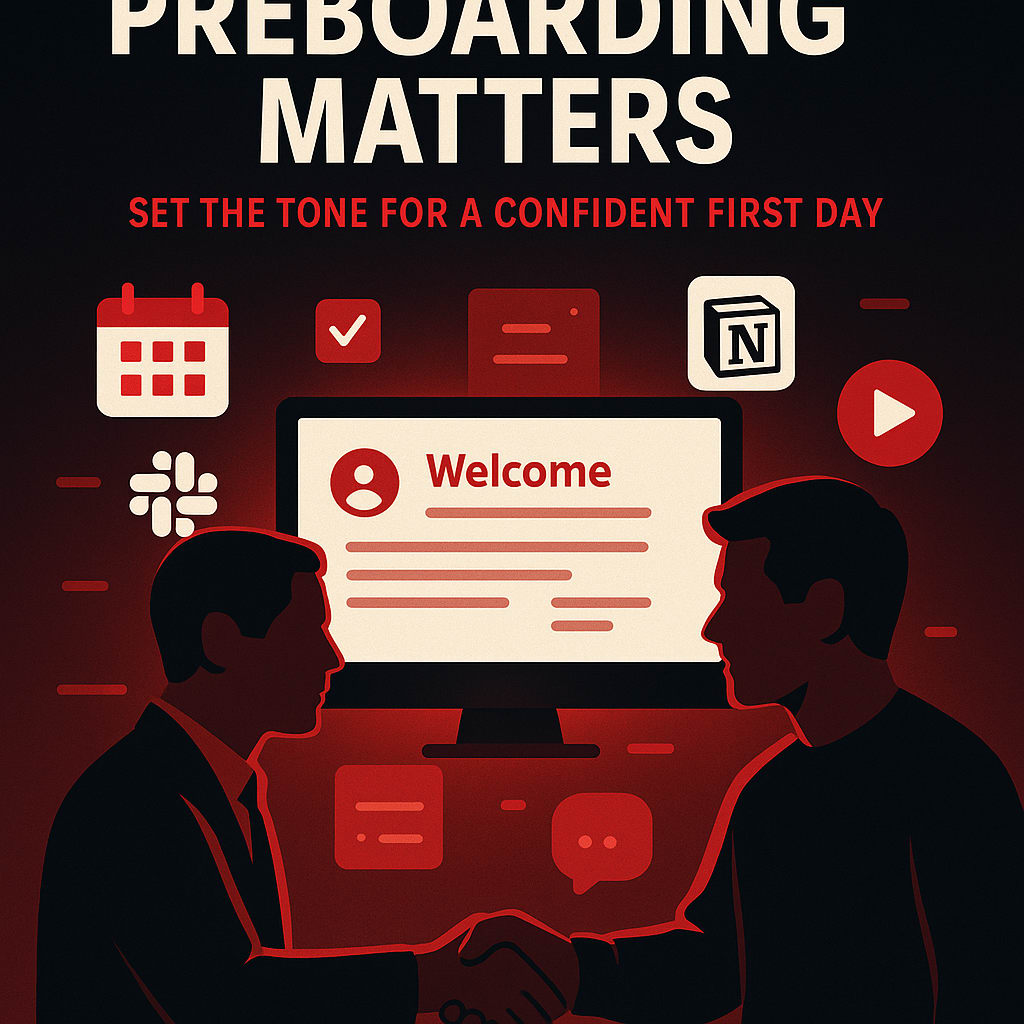
1. Start Before Day One: Preboarding Matters
Your onboarding process shouldn’t begin on a new hire’s first day. It should start as soon as they accept the offer. This "preboarding" phase helps set the tone and eliminate first-day confusion.
Tips for Preboarding:
- Send a welcome email introducing their team and point of contact
- Provide a schedule for their first week
- Share access to key platforms and tools (Slack, Notion, email setup)
- Encourage completion of administrative paperwork early
- Include a short video or document on your agency’s culture, vision, and values
According to agency experts, this small step creates a warm impression and reduces anxiety for the incoming hire.
2. Create a Structured, Repeatable Onboarding Plan
The most successful agencies use a repeatable, consistent onboarding process. This doesn’t mean everyone’s onboarding is the same — but the structure ensures nothing important is missed.
Core Components of a Good Onboarding Plan:
- Orientation: Introduce the agency’s mission, history, and clients
- Tools & Processes: Train new hires on your project management software, content calendar, analytics dashboards, and more
- Shadowing: Let them sit in on real client meetings and team calls
- 60-90 Day Goals: Provide clear expectations for their first 3 months
A documented plan (even a simple Google Doc or Notion template) ensures that each hire receives the same level of clarity and guidance.
3. Assign a Buddy or Mentor
Many agencies have adopted the "buddy system" — pairing new hires with a teammate who can answer questions, offer support, and check in regularly during the first few weeks.
This informal relationship speeds up learning and helps the new hire feel less isolated. It also builds early connections within the team.
4. Don’t Overload Them — Pace is Key
New hires often want to impress, but bombarding them with meetings, tools, and tasks in week one can backfire. Agency leaders advise easing new hires in gradually.
A Week-by-Week Breakdown:
- Week 1: Culture immersion, tool setup, light training, team intros
- Week 2: Shadow meetings, smaller assignments, start documentation
- Week 3+: Begin contributing more, assign a few ownership tasks
- Week 4+: Full workload with ongoing support
By pacing the experience, agencies give new team members time to absorb and grow without burnout.
5. Set Crystal-Clear Expectations
One of the most common reasons new hires struggle is a lack of clarity around roles, goals, and success metrics.
To avoid that, create an onboarding checklist that includes:
- Key performance indicators (KPIs)
- Short- and long-term responsibilities
- Examples of great work
- Guidelines for communication and feedback
Many agency leaders recommend creating a 30-60-90 day plan, where each phase includes measurable goals and progress markers.
6. Build Cultural Connection Early
Great teams don’t just work well — they connect. Agency leaders emphasize the importance of helping new hires understand your culture, values, and team dynamics.
Ways to foster this:
- Include new hires in company all-hands or social meetings
- Use tools like Donut on Slack to encourage random team pairings
- Host virtual coffee chats or in-person welcome lunches
- Talk about company values and mission often — not just during orientation
Remember: People stay where they feel they belong.
7. Offer Role-Specific Learning Paths
Digital marketing covers a wide range of skills — SEO, PPC, content marketing, analytics, email, CRO, and more. That’s why onboarding should be customized to the role.
Examples:
- SEO specialist: Intro to keyword research tools, your link-building process, technical SEO audits
- Content marketer: Editorial guidelines, tone of voice, CMS training, approval workflows
- PPC manager: Ad account access, bidding strategy guides, reporting templates
Some agencies even use LMS platforms like Talent LMS or Google Classroom to deliver internal training modules over time.
Also read: 15 Powerful Benefits of Digital Marketing Every Business Needs to Know
8. Keep the Feedback Loop Open
Your onboarding process should evolve — and the best way to improve it is by asking new hires for feedback.
Ask questions like
- “What part of onboarding felt unclear?”
- “Was there anything you wish you had learned earlier?”
- “How comfortable do you feel in your role after 2 weeks?”
Use that feedback to improve documentation, streamline communication, and continuously level up your onboarding game.
9. Encourage Quick Wins
Everyone wants to feel like they’re making an impact. Give your new team member small, achievable wins early on.
Example tasks:
- Update a blog post
- Audit an ad campaign
- Draft social content
- Research competitor keywords
These wins boost confidence and show them how they contribute to the bigger picture.
10. Onboarding Doesn’t End in a Week
Real onboarding doesn’t stop on Day 5 or Day 30. It should be an ongoing, layered experience that continues into the first few months — especially in digital marketing roles that constantly evolve.
Consider check-ins at:
- 2 weeks
- 1 month
- 3 months
- 6 months
Reinforce development goals, offer feedback, and ask how they’re settling in.
Final Thoughts: Onboarding Is an Investment
Too many digital marketing agencies treat onboarding like a checklist. But if you want your new hires to succeed, stay, and thrive — onboarding must be treated as a strategic priority.
With structured plans, clear communication, and cultural integration, your agency will build a strong, confident, and loyal marketing team.
About the Creator
Alicia Black
Alicia Black is a dynamic digital marketing professional with a strong foundation in web and app development, email marketing, content creation, and AI-driven strategy.
Keep reading
More stories from Alicia Black and writers in 01 and other communities.
15 Powerful Benefits of Digital Marketing Every Business Needs to Know
In a world where consumers spend more time online than ever before, digital marketing isn’t just an option—it’s essential. Whether you’re a startup founder, a small business owner, or leading an established brand, digital marketing provides the tools, strategies, and scalability to reach your audience where they are, when they want, and how they prefer.
By Alicia Black11 months ago in 01
Chatroulette Alternative: The Best Platforms for Random Video Chat in 2026
In the world of online communication, random video chat platforms have become incredibly popular. These platforms allow users to connect with strangers from around the world instantly, making new friends, sharing ideas, or simply having fun conversations. One of the earliest and most famous platforms in this space was Chatroulette, which introduced the concept of randomly pairing users for live video conversations.
By Bushra Rajpootabout 11 hours ago in 01
How to Hire a Mobile App Developer in St. Louis 2026
The regional tech landscape has shifted significantly. The decision to hire a mobile app developer in St. Louis 2026 is now a strategic choice. St. Louis has evolved from a traditional manufacturing hub. It is now a center for agtech and geospatial technology. Financial services also drive the local economy forward.
By Del Rosario7 days ago in 01


Comments
There are no comments for this story
Be the first to respond and start the conversation.