
How to Transition Your Dog to a New Food: A Step-by-Step Guide
How to Transition Your Dog to a New Food

Changing your dog’s food is a decision that should never be taken lightly. Whether you’re switching to a higher-quality brand, transitioning to a special diet for health reasons, or your dog simply isn’t enjoying their current food, it's important to make the transition slowly and carefully. A sudden change in diet can upset your dog’s digestive system, leading to issues like diarrhea, vomiting, or a decrease in appetite.
This step-by-step guide will walk you through how to safely and effectively transition your dog to a new food to ensure they adjust without experiencing any digestive issues.
Why It’s Important to Transition Slowly
Dogs' digestive systems are sensitive to sudden changes, especially when it comes to their diet. Switching food too quickly can lead to:
Gastrointestinal issues: Diarrhea, vomiting, and bloating are common symptoms when food changes are too abrupt.
Loss of appetite: Some dogs may refuse to eat new food, especially if they’re used to a particular taste and texture.
Digestive upset: Even if the new food is better for your dog, a sudden switch can overwhelm their system and lead to discomfort.
For a smoother transition, you should gradually introduce the new food alongside the old food over a period of about 7 to 10 days. This allows your dog’s digestive system to adjust to the new ingredients and avoid any stomach issues.
Read this also... Top Dog Treats for Dogs with Sensitive Stomachs
Step-by-Step Guide to Transitioning Your Dog’s Food
Step 1: Choose the Right New Food
Before you begin the transition, it's essential to select the right food for your dog’s specific needs. Consider factors like:
Age: Puppies, adults, and senior dogs all have different nutritional needs.
Size: Large breed dogs may require different formulas than small breed dogs.
Health conditions: If your dog has allergies, sensitivities, or other health conditions, consult with your vet to find a food that meets those requirements.
Make sure the new food is nutritionally balanced and appropriate for your dog’s life stage, activity level, and any health concerns.
Step 2: Gradual Introduction Over 7 to 10 Days
The key to a successful transition is gradual integration. Slowly introduce the new food by mixing small amounts with your dog’s old food and increasing the amount of new food over time. Here's a general schedule to follow:
- Day 1-2: 25% new food, 75% old food
- Day 3-4: 50% new food, 50% old food
- Day 5-6: 75% new food, 25% old food
- Day 7 and beyond: 100% new food
This gradual approach gives your dog’s digestive system time to adjust and reduces the likelihood of any adverse reactions.
Read this also... Best Cheese Treats for Dogs: Delicious and Nutritious Cheesy Snacks
Step 3: Monitor Your Dog’s Reaction
As you transition to the new food, pay close attention to your dog’s behavior, eating habits, and health. Watch for any signs of digestive upset, including:
- Vomiting
- Diarrhea or loose stools
- Excessive gas or bloating
- Decreased appetite or refusal to eat
If you notice any of these symptoms, it may mean that your dog is adjusting too quickly or has a sensitivity to the new food. If this happens, slow down the transition process and give your dog more time to adjust between each step. If the symptoms persist, consult your vet for guidance.
Step 4: Keep Consistent Feeding Times
Consistency is key when transitioning your dog to a new food. Try to feed your dog at the same times every day, and use the same amount of food during each meal as you did with their previous food. Keeping a consistent feeding routine helps your dog’s body adjust more easily to the change.
Step 5: Be Patient and Go Slow
Every dog is different, and some dogs may take longer to transition than others. While most dogs will adjust in 7 to 10 days, some may need more time. Don’t rush the process; if your dog seems to be struggling, give them extra time on each stage of the transition.
Some dogs are more sensitive to food changes than others, especially if they have a history of digestive issues. If your dog is particularly sensitive, you may want to extend the transition period to 14 days, adding more gradual steps to the process.
Step 6: Check for Any Food Sensitivities or Allergies
As you introduce the new food, watch for any signs of food sensitivities or allergies. Common food allergies in dogs can be triggered by ingredients like chicken, beef, soy, or grains. Symptoms to watch for include:
- Itchy skin or hot spots
- Ear infections
- Excessive licking or biting at paws
- Diarrhea or vomiting
- Swelling or hives
If you notice these signs, your dog may have an allergy or sensitivity to an ingredient in the new food. You’ll need to consult with your vet to help pinpoint the problem and potentially switch to a different food.
Step 7: Ensure Proper Hydration
When changing your dog’s food, make sure they are drinking plenty of water. A new diet, especially if it’s higher in protein or fiber, can affect your dog’s hydration levels. Proper hydration is crucial to help your dog’s digestive system adjust to the new food and avoid constipation.
Ensure that fresh water is always available, especially when you're introducing a new food. You might also want to monitor how much water your dog is drinking during the transition period to ensure they are staying hydrated.
Step 8: Adjust Portion Sizes as Needed
As you transition to the new food, be mindful of portion sizes. Different foods may have varying calorie counts and feeding guidelines. Make sure to adjust the amount of food you are giving your dog to meet the recommended serving size for the new food.
If your dog gains or loses weight during the transition, check the feeding guidelines on the packaging and adjust accordingly. If you're unsure, your vet can help you determine the ideal portion size for your dog.
Step 9: Stick to the New Food for a Few Weeks
Once your dog is fully transitioned to the new food, it’s important to stick with it for a while before considering any further changes. Frequent switching of dog food can lead to gastrointestinal problems and confusion for your dog’s digestive system.
Try to give your dog at least 2 to 3 weeks on the new food before deciding whether it's the right fit. If your dog is thriving on the new food, has a shiny coat, and is maintaining a healthy weight, it’s likely a good choice. If there are ongoing health issues or your dog is still not adjusting well, you may need to consult your vet or try a different food.
Read this also... Low-Fat Dog Treats for Pancreatitis: Safe and Vet-Approved Snacks
Additional Tips for a Successful Transition
Consult Your Veterinarian: If your dog has any underlying health issues or special dietary needs, it’s always a good idea to consult your veterinarian before making a switch to a new food.
Stick to One Type of Food: Avoid mixing different types of foods (e.g., dry and wet) during the transition, as this can confuse your dog’s digestive system. Stick to one type of food until the transition is complete.
Use Treats in Moderation: During the transition, try not to overfeed your dog with treats or table scraps. Stick to the recommended portions of food and keep treats minimal to avoid upsetting their digestive system.
Final Thoughts: Patience is Key
Transitioning your dog to a new food doesn’t need to be stressful as long as you take it slow and monitor your pet's health throughout the process. By following the steps outlined above and being patient, you can help ensure a smooth transition that benefits your dog’s overall well-being. Always consult your vet if you’re uncertain about any step of the process or if your dog experiences prolonged digestive issues. With the right approach, your dog can enjoy their new food without any discomfort.
Do you have any tips or experiences with transitioning your dog to a new food? Share your thoughts in the comments below!
About the Creator
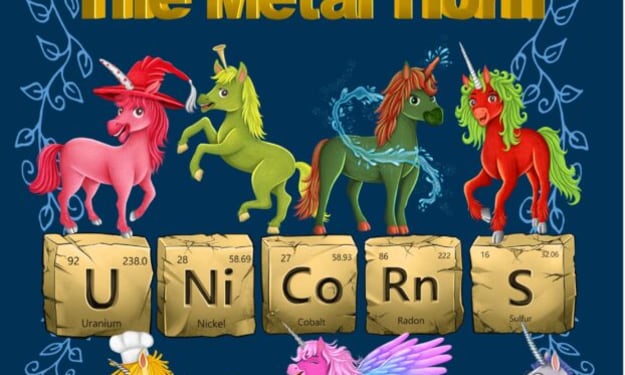
The Metal Horn Unicorns Make Science Magical: A Creative Gateway to the Periodic Table
Learning the periodic table can feel intimidating to many students when it is presented as a dense grid of symbols, atomic numbers, and unfamiliar terminology. Yet chemistry itself is full of wonder: elements form the building blocks of everything in the universe, from the oxygen we breathe to the gold in jewelry and the silicon in our electronics. When science education taps into imagination, storytelling, and creativity, students often discover that the periodic table is not merely a chart to memorize but a fascinating map of the natural world. This is exactly where The Metal Horn Unicorns Make Science Magical—a unique STEM resource—steps in.
By Bushra Rajpoot5 days ago in 01



Comments
There are no comments for this story
Be the first to respond and start the conversation.