
How to Sustain the Stability of a Mobile Concrete Pump While Moving It
Aimix Concrete Pump Solition

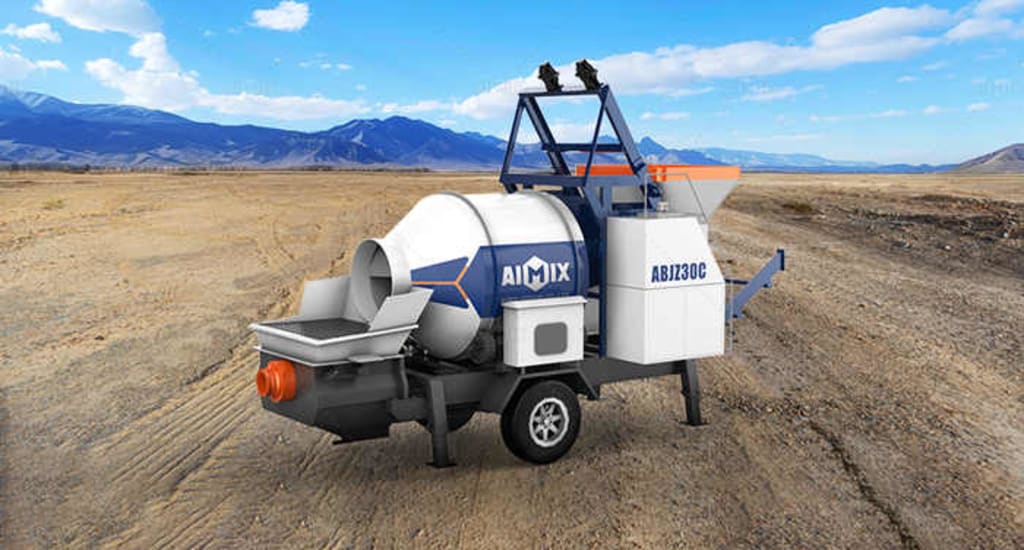
A mobile concrete pump is an essential piece of machinery in many construction projects, offering the flexibility and efficiency to transport and pump concrete at different locations. It is particularly useful for tasks that require mobility across multiple job sites, such as residential construction, roadworks, and small commercial projects. However, one of the main challenges with operating a mobile concrete pump is ensuring its stability during movement. Poor stability can lead to accidents, delays, and damage to both the pump and surrounding structures. In this guide, we will discuss several factors and tips on how to maintain the stability of a mobile concrete pump while moving it from one place to another.
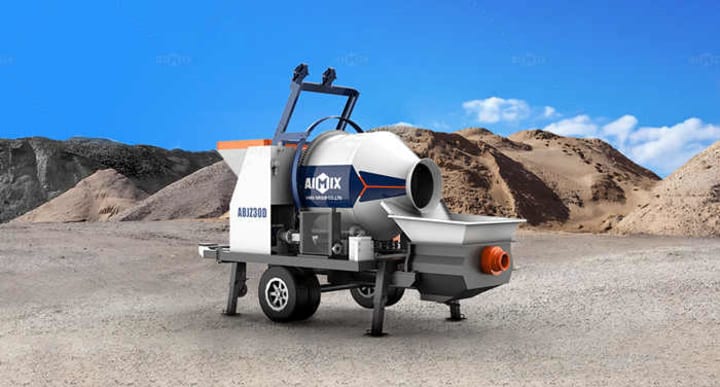
Choose the Right Mobile Concrete Pump for Stability
Before focusing on movement, it's important to select a mobile concrete pump that is designed with stability in mind. The overall weight distribution, type of tires, suspension system, and chassis structure all play crucial roles in determining how stable the pump will be while being transported.
Weight Distribution: Pumps with well-balanced weight distribution are easier to move and less likely to tip over. When choosing a mobile concrete pump, consider one where the weight of the hopper, boom, and engine are evenly distributed.
Tires and Suspension: Off-road tires and a robust suspension system provide better stability when moving the mobile pump across rough terrain or unpaved job sites. Choose models with heavy-duty tires for enhanced balance during transportation.
Correctly Position the Outriggers and Stabilizers
Outriggers and stabilizers are crucial components designed to provide additional support to mobile concrete pumps during operation and transport. They help to keep the machine steady and prevent tipping, even on uneven surfaces.
Deploy Outriggers During Setup: Ensure that outriggers are properly deployed and leveled before starting any pumping operation. This prevents the pump from shifting its weight during movement, especially when relocating between tasks.
Check for Soft Ground: Soft or loose ground can reduce the effectiveness of outriggers and stabilizers. Place wood or metal plates beneath the outriggers if necessary to increase the contact surface and improve stability.
Understand Ground Conditions
When moving a mobile concrete pump, the condition of the ground on which the pump is being transported can significantly affect its stability. For instance, unstable or sloped ground can cause the mobile pump to lose balance. To mitigate this risk, it’s essential to understand and prepare for the ground conditions ahead of time.
Smooth and Level Surfaces: Ensure that the ground where the pump will be moved is as flat and level as possible. If the terrain is uneven, fill any holes or flatten the surface to minimize the risk of instability.
Steep Slopes: When moving the mobile concrete pump up or down slopes, proceed with caution. Moving too quickly can destabilize the machine. If the slope is too steep, you may need to use additional equipment to safely transport the pump.
Secure the Boom During Movement
The boom is one of the most critical components of a mobile concrete pump. It is responsible for reaching various areas on the construction site to deliver concrete. However, the boom's extended length and weight can cause instability when the pump is in transit.
Retract the Boom: Always ensure that the boom is fully retracted before moving the pump. A partially extended boom can shift the center of gravity, making the machine more prone to tipping over.
Lock the Boom in Place: Most mobile concrete pumps come with locking mechanisms to secure the boom when it is not in use. Make sure these locks are engaged before moving the pump.
Ensure Proper Loading When Transporting
When the mobile concrete pump needs to be transported over long distances or rough terrain, proper loading is critical for maintaining stability.
Balance the Load: If you’re using a trailer or flatbed truck to transport the pump, ensure that it is loaded evenly. An off-balance load can cause the pump to shift during transportation, leading to dangerous situations.
Use Straps and Tiedowns: Secure the mobile concrete pump with heavy-duty straps or chains to prevent movement during transport. Use tie-down points designed for heavy machinery to ensure that the pump stays firmly in place.
Control Speed and Turning When Moving the Pump
One of the most significant factors in maintaining the stability of a mobile concrete pump while moving it is controlling the speed and handling turns cautiously.
Slow Speeds: Moving the pump at slow speeds ensures that sudden shifts in weight do not cause it to lose balance. Whether moving across a job site or on the road, maintain a steady and slow pace.
Wide Turns: When maneuvering a mobile concrete pump, especially with an extended boom, take wide turns to reduce the risk of tipping. Sharp turns can cause a rapid shift in the pump’s center of gravity, making it less stable.
Regular Maintenance and Inspection
Proper maintenance plays a huge role in ensuring that a mobile concrete pump remains stable during operation and movement. Regular inspections can help identify potential issues that might affect the pump’s stability.
Check Tire Pressure: Low tire pressure can reduce traction and stability, especially when moving on uneven surfaces. Regularly check the tire pressure and adjust it according to the manufacturer’s recommendations.
Hydraulic System: The hydraulic system controls many of the pump’s functions, including the outriggers and boom. Make sure that the system is properly maintained to ensure smooth operation.
Inspect Stabilizers and Outriggers: Check that the stabilizers and outriggers are free from damage or wear. Regular lubrication and adjustment are necessary to keep them functioning properly.
Train Your Team on Safe Handling Practices
Last but not least, the stability of a mobile concrete pump during movement also depends on the skills and training of the operators.
Training: Ensure that all operators are trained in the proper handling and operation of the mobile concrete pump. They should understand how to deploy outriggers, retract the boom, and move the pump safely.
Safety Protocols: Implement clear safety protocols for moving the pump, such as limiting speed, using guide personnel when maneuvering in tight spaces, and always inspecting the machine before moving.
Maintaining the stability of a mobile concrete pump while moving it is critical for ensuring the safety of workers and the efficiency of the construction project. By choosing the right pump, understanding ground conditions, properly deploying outriggers, retracting and locking the boom, controlling speed and turning, and ensuring regular maintenance, you can minimize the risks of instability. Additionally, training your team on safe handling practices further enhances the pump's stability and helps avoid accidents. With the right strategies and care, your mobile concrete pump will remain a reliable and stable asset to your construction business.
About the Creator
consrtuctionmachines
AIMIX is a customer-center-oriented heavy equipment manufacturer and supplier, devoted to production, innovation, combination, one-stop solution, etc.
https://aimixgroup.com/
Keep reading
More stories from consrtuctionmachines and writers in 01 and other communities.
Maximizing ROI: How to Justify the Price of a Concrete Plant
Investing in a concrete plant is a significant decision for any construction business. The initial cost can be substantial, but understanding how to justify this expense and maximize your return on investment (ROI) can make the decision more manageable and rewarding. Here’s a comprehensive guide to help you navigate this investment and demonstrate its value.
By consrtuctionmachinesabout a year ago in 01
Jeff Bezos’ Amazon takes on Starlink as Africa’s biggest telecom market expands satellite internet options
Nigeria, Africa’s largest telecom market, is opening its skies to more satellite internet providers as Amazon LEO, the tech giant’s low-Earth orbit (LEO) satellite network, secures approval to operate across the country.
By Dena Falken Esq5 days ago in 01
Questions to Ask Before Hiring Professional Congress Organisers (PCOs)
Hiring the right event partner can be the difference between a well-run congress and a stressful, overcomplicated experience. Large-scale conferences, association meetings, and international congresses involve far more than venue booking and logistics. This is where Professional Congress Organisers (PCOs) play a critical role.
By Meeting Mediaa day ago in 01



Comments
There are no comments for this story
Be the first to respond and start the conversation.