
How to Select the Right Mobile Stone Crusher Plant for Your Needs
Selecting the right mobile stone crusher plant requires careful thought. Consider your material, capacity, site conditions, and budget.

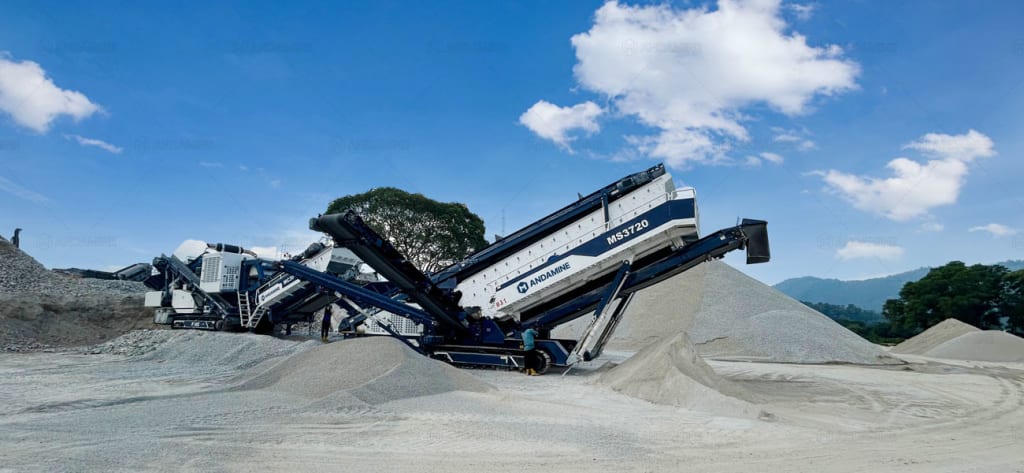
Selecting the right mobile stone crusher plant is essential for efficient operations. The right choice depends on your project type, material, and goals. This guide will help you make an informed decision. We will cover key factors, types, and considerations. We will also discuss stone crusher machines and granite crushers.
Let’s begin with understanding your project requirements.
1. Understand Your Project Needs
Start by identifying the type of material you will process. Common materials include limestone, granite, basalt, and gravel. Hard materials like granite need stronger crushers. Softer materials may need less power.
Determine the size of the input and output materials. The size affects the type of crusher you need. It also influences the screening process.
Know how much material you need to process per hour. This is called production capacity. Your choice of mobile stone crusher plant depends on this. Choose a plant that matches your output goals.
Consider the location of your project. Will it be in a city, quarry, or remote area? The site affects the type of crusher and setup. Mobile plants are ideal for remote or temporary locations.
2. Types of Mobile Stone Crusher Plants
There are several types of mobile stone crusher plants. The main types include jaw crushers, cone crushers, and impact crushers. Each type serves a different crushing stage.
Jaw crushers are used for primary crushing. They break large rocks into smaller pieces. They are strong and work well with hard materials like granite.
Cone crushers are used for secondary and tertiary crushing. They produce fine and uniform aggregates. These crushers are ideal for medium to hard rocks.
Impact crushers are used to create fine materials. They are good for producing sand or crushed stone with a cubical shape. They work well with softer materials.
3. Mobile vs Track Crushers
Mobile stone crusher plants can be wheel-mounted or track-mounted. Wheel-mounted plants are easy to transport on roads. They are good for sites with good access.
Track crushers, also called track-mounted mobile plants, work on rough terrain. They are ideal for off-road or hilly locations. Tracks provide better stability and movement on uneven ground.
Choose between them based on your site conditions. If the site is muddy or steep, a track crusher is better. For flat and accessible areas, wheel-mounted plants work well.
4. Consider the Crusher Machine Type
The stone crusher machine is the heart of the plant. It determines the crushing process and final output. Choose a crusher that matches your material and goals.
For hard rocks like granite, a granite crusher or jaw crusher is ideal. These machines handle high pressure and tough materials. They produce durable aggregates for construction.
For softer materials, an impact crusher may be better. It creates fine particles and works faster. It is often used to produce sand or fine aggregates.
Make sure the crusher machine is durable and easy to maintain. A good machine reduces downtime and repair costs.
5. Production Capacity and Size
Your production needs affect the type of plant you choose. Think about how many tons of material you need per hour. This is your production capacity.
Small projects may need 20 to 50 tons per hour. Large quarries or mining sites may need 100 to 200 tons per hour or more. Choose a mobile stone crusher plant that matches your capacity.
Also, consider the size of the input material. Large rocks need primary crushers. Smaller materials may go straight to secondary or screening units.
Ensure the plant can handle your expected material volume. Overloading a plant reduces efficiency and causes wear.
6. Mobility and Setup Requirements
Mobility is a key feature of mobile stone crusher plants. These plants can be moved easily between sites. This saves time and setup costs.
Consider how often you will need to move the plant. If you work in different locations, choose a highly mobile option. Track crushers offer the best movement on rough ground.
Setup time is also important. Some plants take hours to install. Others can start working in minutes. Quick setup saves time, especially for temporary projects.
7. Screening and Conveying Options
A good mobile stone crusher plant includes a screening unit. The screen separates crushed material by size. This ensures you get the right output for your needs.
Conveyors are also important. They move material between the crusher and screen. They also transport the final product to trucks or stockpiles.
Ensure the plant has a good screening and conveying system. This improves efficiency and reduces manual work. Integrated systems save time and labor.
8. Fuel and Power Options
Mobile stone crusher plants can run on diesel or electricity. Diesel-powered plants are common for remote areas. They do not rely on external power sources.
Electric plants are quieter and cleaner. They work well in urban areas with power access. Choose based on your site’s power availability.
Some plants offer hybrid options. They can switch between diesel and electric power. This provides flexibility for different job conditions.
9. Maintenance and Service Needs
All stone crusher machines need regular maintenance. Choose a plant that is easy to service. Easy access to parts reduces downtime.
Check if the manufacturer provides spare parts and service support. Good support ensures your plant runs smoothly for years.
Training for your team is also important. Proper operation reduces wear and prevents damage. A reliable manufacturer offers training and guidance.
10. Cost and Budget Considerations
The cost of a mobile stone crusher plant depends on type, size, and features. A basic plant may cost less but have limited capacity. High-capacity plants cost more but offer better output.
Consider the total cost of ownership. This includes fuel, maintenance, transport, and labor. A slightly higher initial cost may save money over time.
Compare prices from different suppliers. Look for a plant that offers the best value for your budget. Do not compromise on quality for a lower price.
11. Supplier and After-Sales Support
Choose a reliable mobile stone crusher plant manufacturer or supplier. Look for one with experience and good reviews. A trusted supplier provides quality machines and support.
Check if they offer installation, training, and warranty. Good after-sales service is important for long-term success. It ensures help is available when you need it.
Ask about spare parts availability. Quick access to parts reduces downtime. A good supplier ensures you can keep your plant running.
12. Environmental and Safety Features
Modern mobile stone crusher plants include safety features. These protect workers and prevent accidents. Look for plants with emergency stop buttons and guards.
Environmental features are also important. Dust control systems and noise reduction help meet regulations. They also improve working conditions.
Choose a plant that meets local safety and environmental standards. This avoids fines and supports responsible operations.
Conclusion: Make the Right Choice
Selecting the right mobile stone crusher plant requires careful thought. Consider your material, capacity, site conditions, and budget. Think about the type of crusher machine, such as a granite crusher, that fits your needs.
Mobility, maintenance, and supplier support also matter. The right plant improves efficiency, reduces costs, and supports your goals. Take time to evaluate your options. A well-chosen mobile stone crusher plant delivers long-term value.
About the Creator
Andamine
Andamine is dedicated to offering customized crushing equipment solutions tailored to meet the diverse needs of our clients’ projects, helping you achieve efficient, sustainable, and cost-effective production goals.
Why Carpet Quality Matters in Luxury Hotels
When guests step into a luxury hotel, they notice more than the chandeliers and the marble reception desk. They feel the atmosphere. They sense the comfort. And surprisingly, one of the biggest contributors to that first impression is right under their feet.
By Cavalier Carpets6 days ago in 01
AI Development Company: How to Choose the Right Partner
Artificial intelligence is transforming how businesses operate, compete, and deliver value. From predictive analytics and automation to intelligent customer interactions, AI-driven systems are no longer optional for companies that want to stay ahead. However, successful implementation depends heavily on choosing the right partner. Selecting an AI Development Company is not just a technical decision—it is a strategic investment that can shape your organization’s future.
By Aarti Jangid3 days ago in 01




Comments
There are no comments for this story
Be the first to respond and start the conversation.