
How to Prepare Physically and Mentally for the Kedarkantha Trek
Kedarkantha Trek

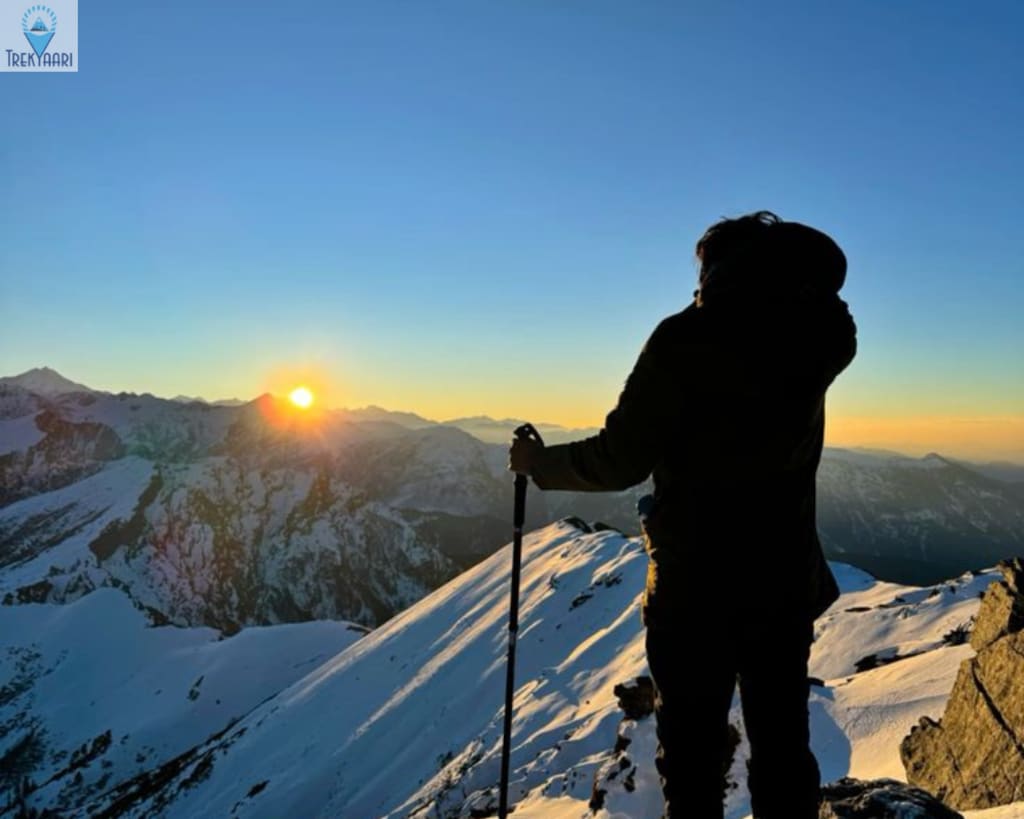
The Kedarkantha Trek, situated in the Garhwal region of Uttarakhand, India, is a breathtaking journey that attracts adventure enthusiasts from around the world. This trek, renowned for its stunning vistas, snow-clad landscapes, and panoramic views of the Himalayan peaks, offers both a physical and mental challenge. Preparing adequately for the trek is crucial to ensure a safe, enjoyable, and fulfilling experience. This article will guide you through the essential steps to prepare physically and mentally for the Kedarkantha Trek.
Understanding the Kedarkantha Trek
Overview of the Trek
The Kedarkantha Trek spans approximately 20 kilometers and reaches an altitude of 12,500 feet. It involves trekking through dense forests, open meadows, and snowy terrain, culminating in a challenging ascent to the Kedarkantha summit.
Challenges of the Trek
The trek poses several challenges, including high altitude, steep climbs, cold weather, and potential altitude sickness. Proper preparation can significantly mitigate these challenges and enhance the overall trekking experience.
Physical Preparation for the Kedarkantha Trek
1. Cardiovascular Fitness
Importance of Cardiovascular Endurance
Cardiovascular fitness is crucial for trekking, as it improves your body's ability to utilize oxygen efficiently and sustain prolonged physical activity. Good cardiovascular endurance will help you tackle the long, uphill sections of the trek without excessive fatigue.
Training Tips
Aim for at least 30-45 minutes of aerobic exercise, 4-5 times a week. Interval training, which involves alternating periods of high-intensity activity with periods of rest or lower intensity, can be particularly effective.
2. Strength Training
Building Muscle Strength
Strength training helps build muscle mass and enhances overall stability and balance.
Training Tips
Incorporate strength training exercises such as squats, lunges, deadlifts, and step-ups into your routine. Aim for 2-3 strength training sessions per week, gradually increasing the weight and intensity. Core exercises such as planks, Russian twists, and leg raises will also improve your balance and stability.
3. Flexibility and Balance
Enhancing Flexibility and Preventing Injuries
Flexibility and balance are essential for navigating the varied terrain of the Kedarkantha Trek. Stretching helps improve flexibility, while balance exercises enhance coordination and reduce the risk of falls and injuries.
Training Tips
Yoga is an excellent way to improve both flexibility and balance. Poses such as downward dog, warrior pose, and tree pose can be particularly beneficial.
4. Acclimatization Hikes
Simulating Trek Conditions
Acclimatization hikes help simulate the conditions of the trek and prepare your body for the physical demands. These hikes also allow you to test your gear and practice carrying a loaded backpack.
Training Tips
Plan regular day hikes or weekend trips to nearby hills or mountains. Carry a backpack with a weight similar to what you will carry on the trek to get used to the load.
Mental Preparation for the Kedarkantha Trek
1. Setting Realistic Goals
Understanding Your Limits
Setting realistic goals is essential for mental preparation. Understand your physical capabilities and set achievable targets for the trek. Being overly ambitious can lead to disappointment and frustration, while setting attainable goals can boost your confidence and motivation.
Tips for Setting Goals
Break down the trek into smaller, manageable sections and set daily targets. Focus on completing each section at your own pace rather than comparing yourself to others.
2. Building Mental Resilience
Staying Positive and Focused
Mental resilience is crucial for overcoming the challenges of the trek. The ability to stay positive and focused, even in difficult situations, can make a significant difference in your overall experience.
Tips for Building Resilience
Practice mindfulness and meditation to enhance your mental resilience. Techniques such as deep breathing, visualization, and positive affirmations can help calm your mind and reduce stress.
3. Visualization Techniques
Imagining Success
Visualization is a powerful tool for mental preparation. Imagining yourself successfully completing the trek can boost your confidence and motivation.
Tips for Visualization
Spend a few minutes each day visualizing different aspects of the trek, such as reaching the summit, enjoying the views, and overcoming challenges. Picture yourself feeling strong, confident, and happy. Visualization can also help you anticipate potential obstacles and mentally prepare for how to handle them.
4. Coping with Fear and Anxiety
Managing Trek-Related Stress
It's natural to feel fear or anxiety before embarking on a challenging trek. Learning to manage these emotions can improve your mental readiness and overall experience.
Tips for Coping
Acknowledge your fears and address them proactively. Educate yourself about the trek, including the route, weather conditions, and potential challenges. Practice relaxation techniques such as deep breathing, progressive muscle relaxation, and journaling to manage anxiety. Surround yourself with supportive friends, family, or fellow trekkers who can offer encouragement and reassurance.
Essential Gear and Packing Tips
Choosing the Right Gear
Having the right gear is crucial for a successful trek. Invest in high-quality, lightweight gear that is suitable for cold weather and high-altitude conditions.
Gear Checklist
Backpack: A comfortable, well-fitted backpack with a capacity of 40-50 liters.
Trekking Shoes: Waterproof, high-ankle trekking shoes with good grip and insulation.
Clothing: Layered clothing, including moisture-wicking base layers, insulating mid-layers, and waterproof outer layers. Thermal gloves, hats, and socks are essential.
Sleeping Bag: A sleeping bag rated for sub-zero temperatures.
Trekking Poles: Essential for stability and reducing strain on knees.
Hydration System: Water bottles or a hydration pack with a water purification method.
First Aid Kit: Include bandages, antiseptic wipes, pain relievers, medications for altitude sickness, and any personal medications.
Packing Tips
Pack light and only bring essential items. Ensure that frequently used items, such as water bottles and snacks, are easily accessible.
Conclusion
The Kedarkantha Trek is a rewarding adventure that offers stunning views and a sense of accomplishment. Proper physical and mental preparation is key to overcoming the challenges and enjoying the trek to its fullest. By focusing on cardiovascular fitness, strength training, flexibility, and mental resilience, you can build the necessary endurance and confidence. Equip yourself with the right gear and practice acclimatization hikes to simulate trek conditions. With thorough preparation and a resilient spirit, the Kedarkantha Trek will undoubtedly be an unforget
About the Creator
Trekyaari
Trekyaari is the best trekking company in India offering comprehensive trekking, adventure, holiday tours, and expedition services. Explore the best of India's nature and culture with us!
How AI-Powered Design Is Changing Digital Experience Creation
Software design traditionally required human designers to manually draw every screen. A team created fixed layouts and navigation paths. Every user saw the exact same interface, regardless of their specific goals. This approach is inefficient for complex applications. Today, AI-powered design alters this entire process. It introduces algorithms that assemble interfaces dynamically. The software builds the screen based on the specific needs of the person using it in real time.
By ViitorCloud Technologiesabout 5 hours ago in 01



Comments
There are no comments for this story
Be the first to respond and start the conversation.