
How to Navigate NFT Minting: A Complete Guide for Creators and Collectors
Master the Art of NFT Minting
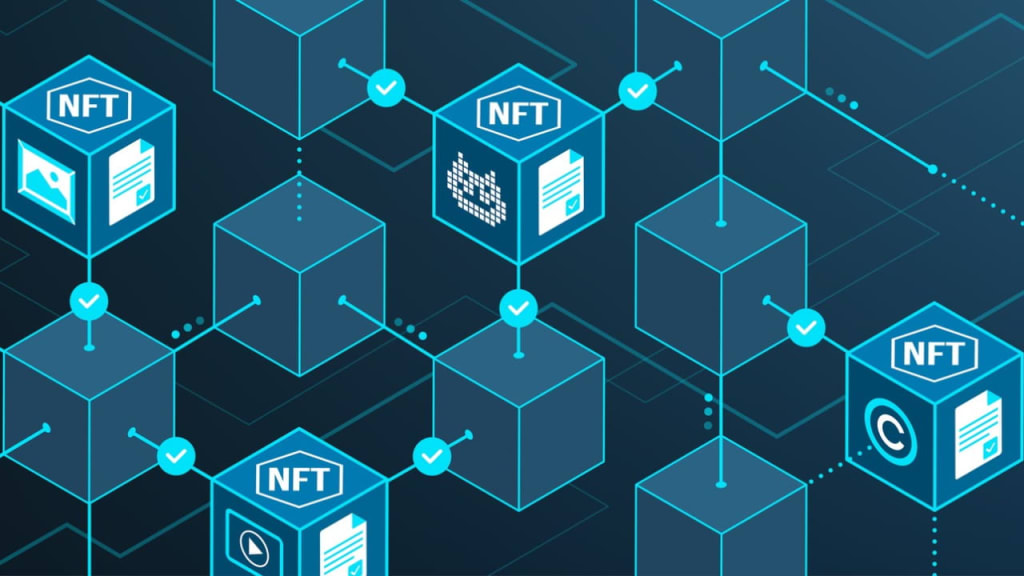
The world of NFT minting has exploded beyond the realms of digital art, creating new opportunities for creators and collectors alike. Whether you're an artist ready to tokenize your work or a collector looking to understand the minting process, this guide will walk you through everything you need to know about turning digital assets into blockchain-verified treasures.
Understanding the Basics of NFT Minting in the Digital Age
Think of NFT minting as creating a digital certificate of authenticity for your creation. Just like minting a coin transforms raw metal into currency, NFT minting transforms your digital work into a verified token on the blockchain. But here's the thing - it's not just about uploading an image and calling it a day. The process involves creating a unique token that represents ownership of your digital asset, complete with verifiable scarcity and proof of authenticity.
The beauty of NFT minting lies in its ability to solve the age-old problem of digital scarcity. In a world where anyone can copy and paste digital files, NFTs create verifiable ownership. This isn't just theoretical - creators are using this technology to build sustainable income streams and connect with their audiences in ways that weren't possible before.
Why NFT Marketplace Development is Reshaping Digital Ownership
The rise of NFT marketplace development has completely transformed how we think about digital ownership. These platforms aren't just marketplaces - they're ecosystems where creators and collectors come together to trade, showcase, and discover unique digital assets. From established platforms like OpenSea to niche marketplaces focused on specific types of NFTs, each platform offers its own unique features and community.
What makes these marketplaces special is their ability to democratize access to the NFT space. You don't need to be a tech wizard or have deep pockets to participate. Modern NFT marketplaces have simplified the process, making it accessible to anyone with an internet connection and a digital wallet.
The Technical Journey: From Concept to Minted NFT
Let's break down the minting process in plain English. First, you'll need to choose a blockchain platform - Ethereum is popular, but alternatives like Solana or Polygon offer lower fees and faster transactions. Think of this choice like picking the foundation for your house - it matters more than you might think.
The actual minting process involves creating a smart contract that defines the properties of your NFT. Don't let the technical terms scare you - modern blockchain app development has made this process much more user-friendly. Most marketplaces now offer simple interfaces where you can upload your work, set properties like royalties and descriptions, and mint your NFT with just a few clicks.
Common Challenges in NFT Minting and How to Overcome Them
Gas fees - they're probably the first challenge you'll encounter. These are the transaction costs on the blockchain, and they can fluctuate wildly. The smart move? Monitor gas fees using tools like ETH Gas Station and mint during off-peak hours. You'd be surprised how much you can save by minting at 2 AM instead of 2 PM.
Another common hurdle is choosing the right format and size for your digital asset. Not every file format works well for NFTs, and size limitations are real. Pro tip: optimize your files before minting. This isn't just about meeting technical requirements - it's about ensuring your NFT displays properly across different platforms.
Choosing the Right Blockchain App Development Platform for Your NFT Project
Your choice of blockchain platform can make or break your NFT project. While Ethereum remains the most popular choice for NFT minting, alternatives are gaining traction. Each platform offers different benefits - Ethereum provides stability and wide acceptance, Solana offers speed and lower costs, and Polygon bridges the gap with scaling solutions.
Consider your specific needs. Are you minting a single high-value piece where gas fees matter less? Ethereum might be your best bet. Planning to mint thousands of NFTs for a game or collection? A platform with lower transaction costs could save you thousands in the long run.
Cost Analysis: What to Expect When Minting Your First NFT
Let's talk money - minting costs vary widely depending on your chosen platform and timing. Beyond the obvious gas fees, consider marketplace listing fees, account setup costs, and potential marketing expenses. Some platforms offer lazy minting, where the NFT isn't actually minted until someone buys it, helping you avoid upfront costs.
Remember, successful NFT projects often require investment in marketing and community building. Budget for these aspects alongside your technical costs. The most successful NFT projects aren't just about the art or asset - they're about building a community around your work.
Future Trends: Where NFT Minting is Headed
The NFT space is evolving rapidly. We're seeing new use cases emerge beyond digital art - think music rights, virtual real estate, and even real-world asset tokenization. The future of NFT minting likely involves more sustainable blockchain solutions, improved interoperability between platforms, and simpler user experiences.
Smart contract standards are also evolving, offering more features and flexibility for creators. This means more ways to structure royalties, enhanced security features, and new possibilities for interactive NFTs. Stay informed about these developments - they could open up exciting opportunities for your NFT projects.
Remember, NFT minting is more than just a technical process - it's about creating value and building connections in the digital age. Whether you're an artist, collector, or entrepreneur, understanding these fundamentals will help you navigate the exciting world of NFTs with confidence.
About the Creator
Keep reading
More stories from writers in 01 and other communities.
A Scientist Says Humans Will Reach the Singularity Within 19 Years
The Countdown Has Begun For centuries, humanity has measured progress in generations. Empires rose and fell, technologies evolved slowly, and knowledge passed from one lifetime to the next. But today, history is accelerating—and according to some scientists and futurists, we are approaching a moment unlike anything before it. A growing number of researchers now believe that humanity may reach the technological singularity within the next 19 years. This is not science fiction. It is a serious prediction grounded in exponential growth curves, artificial intelligence breakthroughs, and the rapid convergence of computing power, neuroscience, and biotechnology. If this prediction proves accurate, the world as we know it will not merely change—it will transform beyond recognition. What Is the Technological Singularity? The term technological singularity refers to a hypothetical point in time when artificial intelligence surpasses human intelligence and becomes capable of improving itself without human intervention. Once that threshold is crossed: Machines may design smarter machines Progress could accelerate beyond human comprehension Traditional concepts of work, creativity, and even consciousness may collapse The word “singularity” is borrowed from physics, describing a point where existing models break down—such as the center of a black hole. Similarly, the technological singularity represents a future so radically different that our current frameworks may no longer apply. Why Scientists Are Taking This Prediction Seriously In the past, predictions about superintelligent machines were dismissed as fantasy. Today, the tone has changed. Several trends are driving this shift: 1. Exponential Growth of Computing Power Moore’s Law may be slowing at the transistor level, but overall computational capability continues to explode through parallel processing, specialized AI chips, and cloud infrastructure. 2. Breakthroughs in Artificial Intelligence AI systems can now: Write code Diagnose diseases Create art and music Engage in complex reasoning These abilities were considered impossible just a decade ago. 3. Self-Improving Systems Machine learning models are increasingly used to optimize other machine learning models. This recursive improvement is a key ingredient for a future intelligence explosion. Why 19 Years? The Timeline Explained The “19 years” estimate is not arbitrary. It emerges from trend analysis rather than a fixed prophecy. Scientists observe that: AI capability is doubling faster than expected Training costs are dropping Data availability is exploding If current trajectories hold, artificial general intelligence (AGI)—machines that can think across domains like humans—could arrive within two decades. From there, the leap to superintelligence may take only months or years. Artificial Intelligence vs Human Intelligence Human intelligence evolved under biological constraints: Slow learning Limited memory Physical vulnerability Machines face none of these limitations. AI can: Copy itself instantly Learn continuously Operate 24/7 Scale across millions of systems Once AI reaches human-level reasoning, it may surpass us not gradually—but suddenly. The Economic Shockwave One of the earliest impacts of singularity-level AI will be economic disruption. Jobs at Risk: Data analysis Customer service Legal research Medical diagnostics Creative industries This does not mean human labor becomes useless—but it does mean the nature of work will fundamentally change. Some experts predict: Universal basic income Shorter workweeks Entirely new economic models Others warn of unprecedented inequality if power concentrates in the hands of those who control advanced AI. The Psychological Impact on Humanity Beyond economics lies a deeper question: What happens to human identity when machines outperform us at thinking? For centuries, intelligence defined human superiority. When machines exceed us: Will people feel obsolete? Will meaning need to be redefined? Will creativity still matter? Some philosophers argue that humanity’s role may shift from “problem solver” to “meaning maker.” The Ethics of Superintelligence The singularity is not just a technical problem—it is a moral one. Key ethical concerns include: Who controls AI? How are its goals aligned with human values? What happens if objectives conflict? A superintelligent system optimized incorrectly could cause catastrophic harm—not out of malice, but indifference. This is why AI alignment research has become one of the most urgent scientific fields today. Will AI Replace or Merge With Humans? There are two dominant visions of the future: 1. Replacement Scenario AI surpasses humans, making biological intelligence irrelevant. 2. Integration Scenario Humans merge with technology through: Brain-computer interfaces Neural implants Cognitive enhancement In this future, the singularity is not an endpoint—but a transition into a hybrid species. The Role of Consciousness One unanswered question looms above all others: Can machines become conscious? Intelligence does not automatically imply awareness. A system may reason brilliantly without subjective experience. If AI becomes conscious: Moral status becomes unavoidable Rights may need reconsideration The definition of “life” expands This debate is no longer philosophical—it is approaching practical relevance. Global Power and Geopolitical Risk Nations understand the stakes. AI supremacy may determine: Military dominance Economic leadership Cultural influence This has triggered a global race for AI development, increasing the risk of reckless deployment. Without international cooperation, the singularity could arrive in chaos rather than coordination. Could the Prediction Be Wrong? Yes. Forecasting the future is notoriously difficult. Potential limiting factors include: Energy constraints Regulatory intervention Unexpected technical bottlenecks Societal resistance However, even conservative estimates agree: AI will profoundly reshape civilization within our lifetime. Preparing for a Post-Singularity World Whether the singularity arrives in 19 years or 50, preparation matters. Key steps include: Education reform focused on adaptability Ethical AI governance Psychological resilience training Redefining success beyond productivity The future will favor those who understand systems, values, and humanity—not just code. The Human Question At its core, the singularity forces us to confront a timeless question: What does it mean to be human? When intelligence is no longer unique to us, we may rediscover: Empathy Wisdom Purpose Moral responsibility Technology may accelerate evolution—but meaning remains a human choice. Conclusion: Standing at the Edge of History If a scientist is right—and humanity reaches the singularity within 19 years—then we are living in the final chapter of a familiar world. This is not a story of doom or salvation. It is a story of transformation. The singularity will not ask for permission. It will not wait for consensus. It will arrive shaped by the choices we make today. Whether it becomes humanity’s greatest triumph or its most profound test depends not on machines—but on us.
By Zahid Hussain6 days ago in 01
How Digital Platforms Are Transforming Pickup and Delivery Services
Introduction Pickup and delivery services have evolved rapidly over the last decade, driven largely by advances in digital platforms. What once depended on phone calls, manual coordination, and limited tracking has now transformed into a seamless, app-driven experience. From local couriers to large-scale logistics providers, digital platforms are redefining how goods move from one place to another. This transformation is not just about convenience; it reflects deeper changes in technology, operations, and customer expectations.
By Nayel Basim Al Shehhiabout 4 hours ago in 01
Off the Book
It ended like every other stupid idea. Badly, and alone. I’m researching digital confession ethics, he said. A tech ethicist. He gestured at floating data I couldn’t see then pulled out a physical notebook. Actual paper, fountain pen. He held it up like he was showing me scripture.
By Nicky Frankly6 days ago in Fiction


Comments
There are no comments for this story
Be the first to respond and start the conversation.