
How to Inspect Webbing Sling for Wear and Damage: A Complete Guide
A Step-by-Step Guide to Identifying Damage, Ensuring Safety, and Extending the Life of Your Webbing Slings

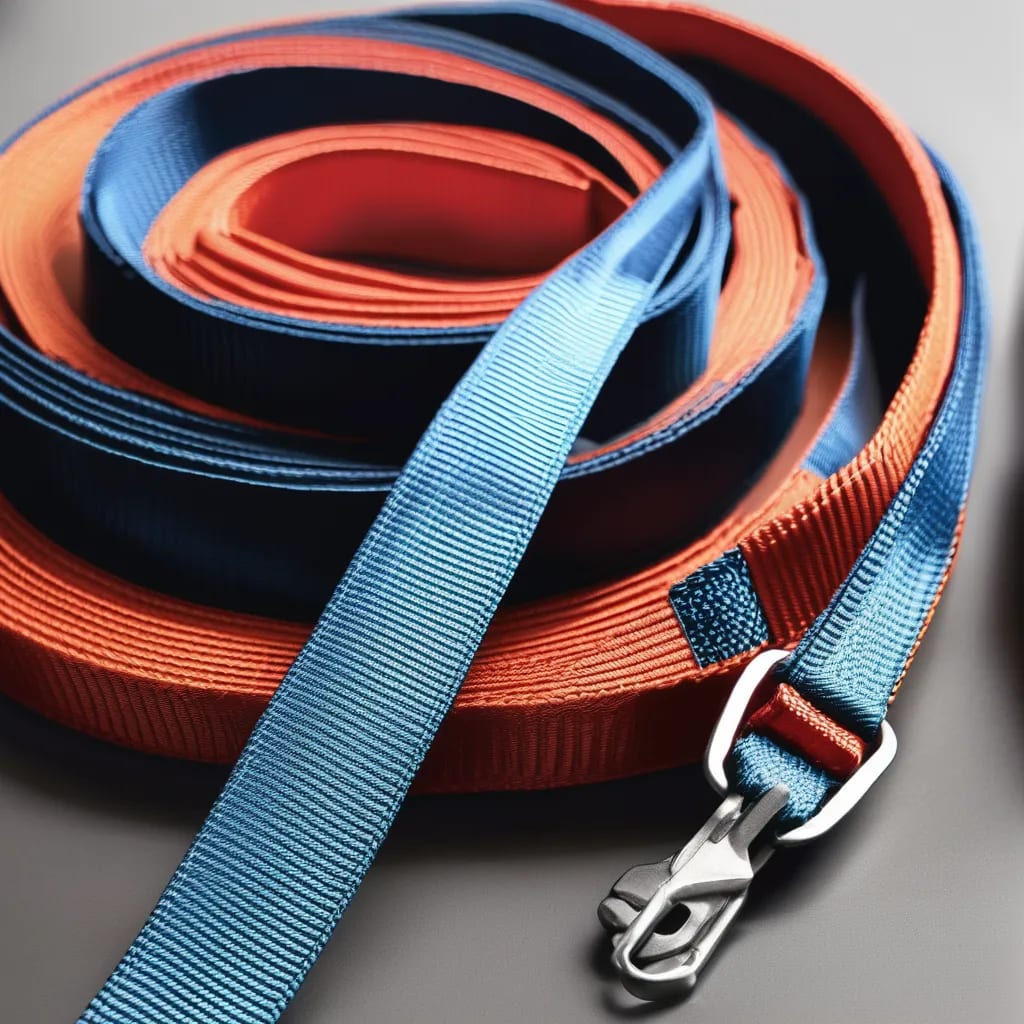
Webbing slings are essential lifting tools used across industries for their flexibility, strength, and ease of handling. However, their safety and reliability heavily depend on regular inspections and proper maintenance. Whether you're a site supervisor, rigger, or safety officer, knowing how to inspect webbing slings for wear and damage is critical for ensuring workplace safety and preventing costly equipment failure.
Why Is It Important to Inspect Webbing Slings?
Webbing slings are often subjected to harsh environments, heavy loads, and constant use. Over time, these conditions can lead to:
• Fabric fraying
• Abrasions or cuts
• UV damage
• Chemical exposure
• Stitches coming undone
Using a compromised sling can result in catastrophic failure, risking equipment damage, serious injury, or even fatalities. Regular inspections are not just a best practice—they’re a legal and safety requirement in many industries.
Types of Damage Common in Webbing Slings
Before we outline the inspection process, it’s helpful to know what types of damage you’re looking for. Here are the most common forms:
1. Cuts and Tears
Sharp edges or contact with metal can cause visible cuts in the webbing. Even small tears can reduce load-bearing capacity.
2. Abrasion
Friction from rough surfaces can cause surface fibers to wear down, weakening the material over time.
3. Broken or Worn Stitching
Stitching holds the sling together. If the thread is frayed, broken, or loose, the structural integrity is compromised.
4. Burns or Heat Damage
High temperatures, weld spatter, or friction can cause melting or scorching of the fabric.
5. Chemical Damage
Acids, alkalis, and solvents can degrade synthetic fibers, leading to discoloration, stiffness, or brittleness.
6. UV Degradation
Long-term exposure to sunlight can weaken the fibers. Fading color and powdery texture are warning signs.
7. Mold or Mildew
Damp storage can cause fungal growth, which weakens the material and poses health risks.
8. Knots or Twists
Improper storage or usage can lead to knots that stress the sling and affect load distribution.
How to Inspect a Webbing Sling: Step-by-Step Process
Step 1: Preparation
• Clean the sling before inspecting to remove dirt or oil that could hide damage.
• Lay it flat on a clean, well-lit surface.
Step 2: Visual Inspection
Go through the entire length of the sling, looking for:
• Frayed edges or fibers
• Cuts, tears, or holes
• Discoloration or hardening (chemical or heat damage)
• Burn marks
• Exposed red warning yarns (in slings designed with them)
Step 3: Tactile Inspection
Run your hands along the sling to feel for:
• Stiff spots (could indicate chemical exposure)
• Hard or crusty areas (possible heat damage)
• Uneven texture or lumps (suggests internal wear)
Step 4: Check the Eyes (Loops)
The eyes or ends of the sling bear the most load and often show wear first.
• Look for worn stitching
• Check for elongation, tearing, or fraying
• Ensure metal fittings (if any) are not corroded or deformed
Step 5: Label and Identification
Make sure the sling has a legible ID tag with information like:
• Manufacturer’s name
• Working load limit (WLL)
• Material type
• Length and serial number
If the label is missing or unreadable, remove the sling from service immediately.
Inspection Frequency: How Often Should You Check Webbing Sling?
According to standards such as OSHA and ASME B30.9, sling inspections fall into three categories:
1. Initial Inspection
• Conducted upon receiving a new sling.
• Ensures the sling is undamaged and meets specifications.
2. Frequent Inspection
• Before each use or shift.
• Performed by the sling operator or designated user.
3. Periodic Inspection
• Conducted by a qualified inspector at defined intervals.
• Based on usage frequency, environmental conditions, and manufacturer guidelines:
o Normal service: Every 12 months
o Severe service: Every 3 months or more frequently
o Special or harsh environments: Before each use
Keep a written record of periodic inspections for compliance and traceability.
When Should a Webbing Sling Be Removed from Service?
Immediately remove the sling if you notice any of the following:
• Cut or worn webbing
• Broken or damaged stitching
• Chemical or heat damage
• Illegible or missing ID tag
• Severe UV damage (discoloration, brittleness)
• Sling fails to pass visual or tactile inspection
Never try to repair slings yourself unless you are certified and authorized by the manufacturer. Damaged slings should be destroyed and clearly marked as unusable.
Pro Tips for Webbing Sling Maintenance
To extend the lifespan of your webbing slings and reduce wear:
Use Edge Protectors
Prevent cuts by using edge guards or sleeves when lifting sharp or abrasive loads.
Store Properly
Hang slings in a cool, dry, and shaded area. Avoid contact with chemicals or sunlight.
Avoid Dragging
Never drag slings across the floor or over rough surfaces.
Match the Sling to the Load
Use the right sling type and capacity for the specific job to avoid overloading.
Train Your Team
Ensure all users are trained in proper sling use, inspection, and safety practices.
Industry Standards to Reference
Familiarize yourself with these regulations:
• OSHA 1910.184 – Slings standard for general industry
• ASME B30.9 – Slings safety standard
• EN 1492 – European standard for textile slings
• ISO 4878 – Worldwide sling safety guidelines
Compliance with these ensures you're operating legally and safely.
Webbing slings are incredibly versatile and useful, but like any lifting equipment, they’re only as reliable as their condition allows. Routine inspections for wear and damage are non-negotiable.
About the Creator
Jyoti Kashuka
"Discover the Comprehensive Range of Material Handling Solutions by Indolift"
Keep reading
More stories from Jyoti Kashuka and writers in 01 and other communities.
What Safety Precautions Should Be Taken When Using a Chain Pulley?
Chain pulley, also known as hand chain hoists, are essential tools in various industries for lifting and moving heavy loads. While they offer mechanical advantages, imprope use can lead to accidents, equipment damage, or serious injuries. This guide outlines the critical safety precautions to ensure safe and efficient operation.
By Jyoti Kashuka9 months ago in 01
How Indi IT Solutions is Building the Next Digital Ecosystems in the USA
Real-time collaboration is no longer a luxury feature for mobile applications. It is a foundational requirement. We are moving through 2026 now. The complexity of maintaining state across millions of devices has reached a peak. This is a critical inflection point for the industry. Users expect experiences that are instantaneous and offline-capable. They want conflict-free experiences. This must happen regardless of their network stability.
By Del Rosarioa day ago in 01
Our Song
Evening has given way to night. Gently, I settle next to you on the comfortable, old love seat and reach for your hand. You snatch it away, again. It cuts me to the quick, but I hide the pain, understanding that the reaction is but part of your demented state. Since the accident, your presence here in our cozy home has been clouded by a haze I can't see. Nevertheless, I feel the frigidity of your expressions and it serves as an excruciating reminder of the immeasurable distance between us.
By Dana Crandella day ago in Fiction



Comments
There are no comments for this story
Be the first to respond and start the conversation.