
How to Diagnose and Fix a Car That Shakes When Idle?
To diagnose and fix a car that shakes when idle, check the engine, transmission, and spark plugs.


A car that shakes when idle can be frustrating and concerning. The shaking, particularly noticeable when the car is at a stop, can be a sign of several issues, such as problems with the engine, transmission, or fuel system.
If you notice your car vibrates when stopped at a red light, it’s crucial to diagnose and address the issue before it leads to more severe problems. Let’s walk through some steps to help you identify and fix the shaking.
1. Check the Engine Components
The most common reason for a car shaking at idle is an issue with the engine. It could be caused by misfires, dirty fuel injectors, or worn-out spark plugs. Here's how to address it:
- Misfires: When one or more cylinders fail to fire correctly, it causes an imbalance in the engine, resulting in shaking. To fix this, inspect the spark plugs and replace any faulty ones. Also, check the ignition coils and wires.
- Fuel System: Clogged fuel injectors can disrupt fuel delivery, causing the car to shake. Consider using a fuel injector cleaner or getting them professionally cleaned.
- Air Filters: A clogged air filter can limit airflow to the engine, leading to poor combustion. Replace the air filter to ensure smooth engine operation.
2. Inspect the Transmission
Another common cause of a car shaking at idle is a malfunction in the transmission. If your vehicle’s transmission is not shifting properly, it may cause vibrations when idle. Pay attention to the following:
- Transmission Fluid: Low or dirty transmission fluid can cause shaking and erratic shifts. Check the fluid level and quality. If it's low, top it up, and if it's dirty, consider a fluid change.
- Torque Converter Issues: A faulty torque converter can also cause shaking, especially when stopped. If this is the issue, it may require professional repair or replacement.
3. Examine the Engine Mounts
The engine mounts hold the engine in place, reducing vibrations. If they’re damaged, the engine can move excessively, causing shaking when idling. To check:
- Look for visible damage or excessive wear.
- If the mounts are cracked or broken, they should be replaced.
4. Check the Idle Air Control Valve (IAC)
The IAC regulates the engine’s idle speed. If it becomes dirty or fails, the car may shake at idle. Cleaning or replacing the IAC valve can resolve this issue.
5. Inspect the Vacuum System
A vacuum leak can also cause shaking. This typically results from cracked or disconnected vacuum hoses. A professional inspection can identify and repair vacuum leaks, ensuring the engine runs smoothly at idle.
6. Additional Factors to Consider
- Fuel Quality: Poor-quality fuel can lead to engine misfires and shaking. Use high-quality fuel and consider using fuel additives that clean the fuel system.
- Timing Belt: A worn or misaligned timing belt can disrupt engine timing, leading to shaking. Have the timing belt inspected regularly.
Conclusion
If your car vibrates when stopped at a red light or shakes while idling, the root cause may be one of the factors mentioned above. Whether it’s a misfire in the engine, transmission fluid problems, or damaged engine mounts, diagnosing and addressing the issue promptly will help restore smooth operation.
For complex issues like torque converter problems or transmission failure, it’s best to consult a mechanic for professional assistance. By staying proactive with regular maintenance and addressing issues early, you can ensure your car runs smoothly for years to come.
About the Creator
Beth Murphy
Hello, I'm Beth Murphy, a automotive writer with over 6 years of experience. Passionate about cars, trucks, wheels, and tires, I craft compelling content that resonates with enthusiasts and industry professionals alike.
Keep reading
More stories from Beth Murphy and writers in 01 and other communities.
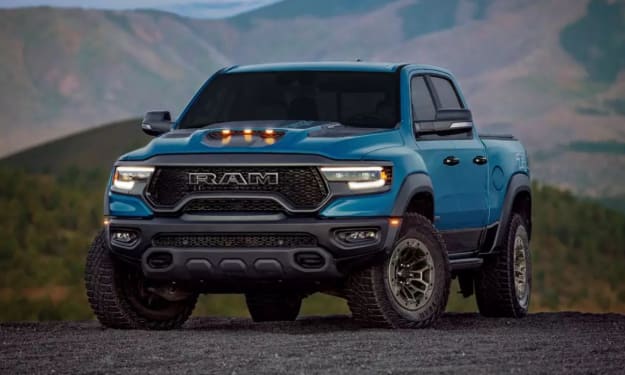
Which Pickup Truck Reigns Supreme for Off-Roading?
When it comes to off-roading, the choice of pickup truck can make all the difference. Whether you’re heading out to the desert, tackling mountain trails, or venturing through muddy roads, your vehicle needs to be built tough, with excellent suspension, traction, and ground clearance. Today’s trucks offer impressive off-road capabilities, but some stand out above the rest.
By Beth Murphyabout a year ago in 01
The Growing Interest in VSF Super Clone Watches
Luxury watches have long been associated with prestige, craftsmanship, and engineering excellence. Iconic watchmakers spend decades refining their movements, materials, and designs to create timepieces that are admired around the world. However, the extremely high prices of authentic luxury watches place them far beyond the reach of many enthusiasts. Because of this, conversations about alternative ways to experience luxury watch design have grown in online watch communities.
By charliesamuel4 days ago in 01
7 Gamification Patterns That Boost EdTech Retention
The challenge for Education Technology in 2026 is high. It is no longer about just delivering content. The real goal is to sustain the "will to learn." Digital fatigue has reached new heights this year. The focus keyword is 7 Gamification Patterns That Boost EdTech Retention. This phrase represents a vital strategic shift. Product leaders must move from points and badges. They must embrace deep psychological engagement instead. Passive learning is now a dead concept. To survive the current market, platforms must change. They must become active and habit-forming environments.
By Del Rosario4 days ago in 01



Comments
There are no comments for this story
Be the first to respond and start the conversation.