
How to Design an Accessible Outdoor Deck for All Ages
Guide to Designing Accessible Outdoor Decks

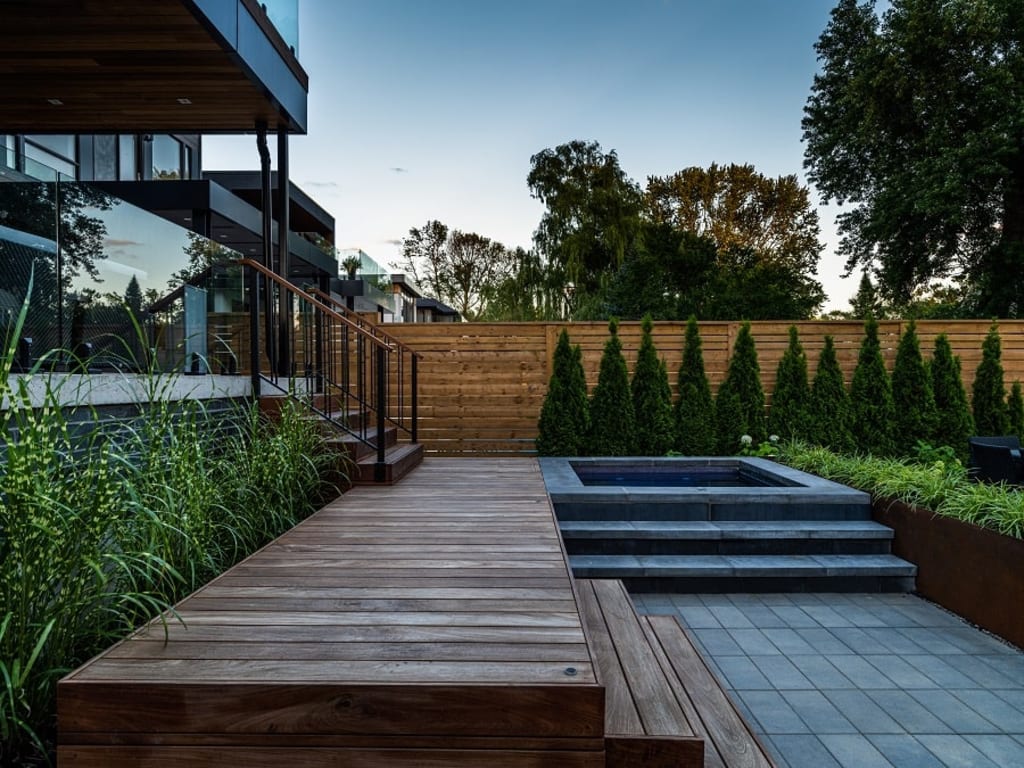
Designing an accessible outdoor deck that caters to all ages is an essential consideration for many homeowners. Whether it’s a space for kids to play, a relaxing area for adults, or a safe environment for older family members, a well-thought-out deck can enhance the quality of life for everyone. In Toronto, where outdoor living is cherished during the warmer months, creating a versatile and accessible deck is a valuable investment.
Understanding Accessibility in Deck Design
Accessibility in deck design means creating a space that is easy to use, safe, and enjoyable for everyone, regardless of age or physical ability. This involves considering factors like entry points, surface materials, handrails, and the overall layout. The goal is to design a deck that not only meets the needs of your family today but will also serve you well in the future as your needs evolve.
Key Considerations for Designing an Accessible Outdoor Deck
1. Entry and Exit Points
The first aspect to consider in deck design is how people will enter and exit the space. A deck should have a smooth transition from the house to the deck, which might involve a ramp or a wide, shallow staircase.
For older adults or individuals with mobility challenges, ramps with gentle slopes are essential. Ramps should have a slope of 1:12, meaning for every inch of rise, there should be at least 12 inches of run.
For stairs, opt for wide steps with a depth of 11 to 12 inches, which can accommodate small children and adults. Handrails on both sides add an extra layer of safety.
2. Deck Surface
The surface material of your outdoor deck is critical for safety and accessibility. In Toronto, where weather conditions can vary significantly, choosing a slip-resistant material is essential.
Composite decking is a popular choice as it provides a smooth, even surface that is also resistant to moisture and mould. This is particularly important in a climate that can see everything from heavy rain to snow and ice.
For those who prefer wood, selecting a wood type that is treated for slip resistance or adding a non-slip coating can be effective. Regular maintenance, such as sanding and sealing, is necessary to keep the wood safe and smooth.
3. Railings and Guardrails
Railings are a must for safety, especially if your outdoor deck is elevated. For an accessible design, ensure the railing height is comfortable for children and adults, typically between 34 and 38 inches.
Consider installing continuous handrails that extend beyond the top and bottom of the stairs for added security. This is particularly helpful for older adults or those with mobility issues.
Guardrails should be installed to prevent falls, and they should have a minimal gap between the balusters to ensure the safety of young children.
4. Multi-Level Decks
If you’re considering a multi-level outdoor deck, it’s important to think about how these levels will be connected. Gentle ramps or wide, shallow steps between levels can make the deck more accessible.
For families with young children, a single-level deck might be more practical to avoid the risks associated with stairs. However, if you prefer multiple levels, ensure each level is spacious and easy to navigate.
5. Lighting
Proper lighting is essential for an accessible deck. It enhances safety, especially during the evening or in low-light conditions.
Install lights along stairs, ramps, and pathways to prevent tripping hazards. Motion-sensor lights are a great option, as they automatically turn on when someone is near, providing immediate illumination.
Solar-powered lights can be an eco-friendly and cost-effective option, reducing the need for extensive wiring.
6. Furniture and Layout
When designing the layout of your outdoor deck, consider the placement of furniture and how it will affect accessibility. The deck should have clear, wide pathways that allow easy movement, especially for those using mobility aids like walkers or wheelchairs.
Opt for furniture that is sturdy and easy to use. Chairs with armrests can be particularly helpful for older adults, providing extra support when sitting down or standing up.
Avoid overcrowding the deck with too much furniture. A minimalist approach not only enhances accessibility but also creates a more open, welcoming space.
7. Shade and Shelter
Incorporating shade elements like pergolas, umbrellas, or retractable awnings can make your deck more comfortable for people of all ages. In Toronto’s variable climate, having a sheltered area allows for the use of the deck in different weather conditions.
Consider adding a roof or a partial covering to one section of the deck. This can provide a retreat from the sun on hot days and protect against rain, making the deck a usable space regardless of the weather.
8. Safety Features
Safety is a top priority when designing an outdoor deck that will be used by people of all ages. In addition to slip-resistant surfaces and sturdy railings, consider other safety features like gates at the top of stairs to prevent young children from falling.
Non-slip treads on stairs and ramps can provide additional traction, reducing the risk of slips and falls. Regular maintenance, such as clearing the deck of leaves, ice, and snow, is also essential to maintaining a safe environment.
Hire a Professional Deck Building Company in Toronto
While DIY projects can be tempting, designing an accessible outdoor deck that is safe and functional for all ages is a task best left to professionals. A reputable deck-building company in Toronto will have the experience and expertise needed to design and construct a deck that meets your specific needs.
1. Experience and Expertise
When choosing a deck-building company, look for one with a proven track record of designing accessible outdoor spaces. Check reviews and ask for examples of previous projects to ensure they understand the unique challenges of designing for all ages.
Experienced professionals will also be familiar with local building codes and regulations in Toronto, ensuring your deck is compliant with safety
standards.
2. Customization
A professional deck-building company can offer customized solutions that cater to your family’s specific needs. Whether you need a ramp for accessibility, specific materials for safety, or a unique layout, they can design a deck that perfectly fits your vision.
Customization also extends to aesthetics. Professionals can help you choose materials, colours, and finishes that complement your home’s exterior and enhance your outdoor living space.
3. Maintenance and Longevity
Building a deck is a significant investment, so it’s important to choose materials and designs that will stand the test of time. A professional deck-building company can recommend durable materials that require minimal maintenance, saving you time and money in the long run.
They can also provide advice on how to care for your deck, offering tips on cleaning, sealing, and other maintenance tasks to keep your deck looking and functioning like new.
About the Creator
Jeremy Lerner
I work as a Co-Chief Executive Officer at Land-Con, which is a landscapes & pool design company in Toronto.
Visit us: https://www.landcon.ca/
Keep reading
More stories from Jeremy Lerner and writers in 01 and other communities.
How to select the best landscaping company for your needs?
Choosing the right landscaping company can transform your outdoor space into a picturesque oasis. With numerous options available, it can be daunting to determine which company will best meet your specific needs. This comprehensive guide will provide you with all the necessary insights to make an informed decision.
By Jeremy Lerner2 years ago in 01
Wearable Device App Development Driving 80% EHR Interoperability
In today’s fast-evolving digital health ecosystem, the convergence of wearable technology and electronic health record (EHR) systems is transforming how health data is collected, shared, and used. Wearable device app development companies are now at the forefront of enabling seamless interoperability — connecting patient-generated health data with clinical systems and creating a more unified view of health. This isn’t just a trend — it’s reshaping patient care, efficiency, and outcomes.
By Kunal Chouhan8 days ago in 01
App Development Costs and Timeline in St. Louis 2026
The landscape for App Development Costs and Timeline in St. Louis 2026 has shifted. It changed significantly as the region's tech corridor matured. St. Louis-based enterprises now face a new reality. Startups must also navigate a complex ecosystem. Building a custom application is no longer just about hiring one coder. It is about specialized engineering talent. It also involves evolving AI-integrated workflows.
By Del Rosarioa day ago in 01



Comments
There are no comments for this story
Be the first to respond and start the conversation.