
How to Compare Wet Mix Concrete Batching Plants from Various Manufacturers Effectively
Compare Wet Mix Concrete Batching Plants from Various Manufacturers

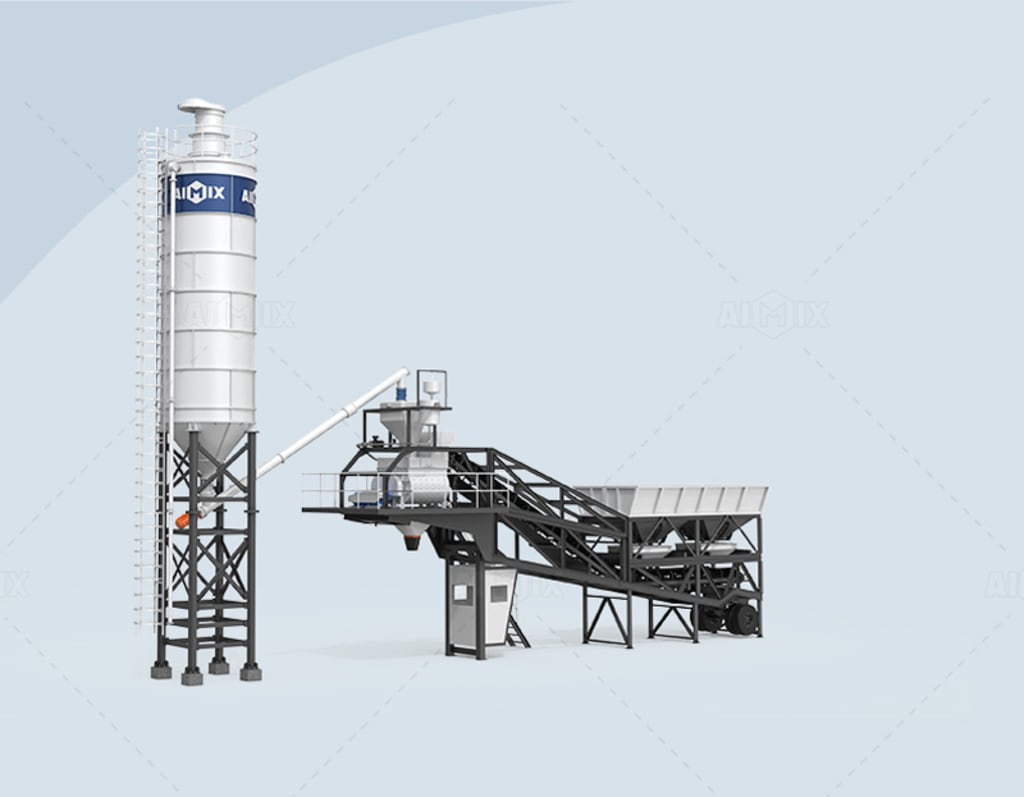
Selecting a wet mix concrete batching plant is a significant capital investment that requires a methodical and dispassionate evaluation process. Moving beyond superficial specifications and marketing claims is essential to identifying the equipment that will deliver reliable performance, consistent mix quality, and long-term operational economy. An effective comparison necessitates a structured approach that examines the plant across three critical dimensions: its core mechanical components and configuration, its quantifiable operational metrics, and the long-term value proposition encompassing durability and manufacturer support. This systematic analysis ensures the selected wet mix concrete batch plant aligns precisely with project requirements, production volume, and financial parameters, transforming a complex procurement decision into a clear, data-driven choice.
Foundational Comparison: Core Components and Configuration
The initial stage of comparison must focus on the fundamental components that dictate the plant's core functionality and output quality. The central element is the mixer itself. Assess whether manufacturers utilize a twin-shaft, pan, or planetary mixer, as each type offers distinct advantages in mixing intensity, speed, and suitability for different mix designs. The drive system for the mixer—be it direct hydraulic, gearbox, or belt-driven—is a key indicator of robustness and potential maintenance needs. Next, scrutinize the batching system. High-precision, load-cell based weighing systems for aggregates, cement, and water are non-negotiable for consistent batch quality. The configuration and capacity of the cement silos, along with the efficiency of the screw conveyor, directly impact the plant's ability to maintain continuous production. Finally, the control system's sophistication is paramount. A modern, automated PLC-based system with a user-friendly interface, recipe management, and data logging capabilities provides superior control over the batching process, reduces human error, and offers valuable operational insights.

Operational and Performance Metrics
Once the core components are understood, the evaluation must shift to quantifiable performance data. The most critical metric is the plant's cycle time—the total time required to complete one full batching and mixing cycle. This figure, combined with mixer capacity, determines the plant's peak theoretical output in cubic meters per hour. It is imperative to verify that claimed outputs are achievable under real-world conditions, not just ideal laboratory settings. Concurrently, analyze the plant's power profile. Compare the total connected load, including motors for mixers, conveyors, and compressors, to understand energy consumption and the required electrical infrastructure. The physical footprint and logistical requirements of the plant are equally important. Consider the space needed for aggregate storage hoppers, cement silos, and the mixer unit itself, as well as access for material delivery trucks and concrete transit mixers. A ready mix plant for sale with a more compact and logically arranged footprint can offer significant advantages on constrained sites.

The Long-Term Value Proposition: Durability and Support
The final, and often most decisive, phase of comparison looks beyond initial performance to the plant's longevity and the support infrastructure behind it. Investigate the quality of materials used in construction. The thickness of structural steel, the grade of wear plates in the mixer and hoppers, and the quality of paint and corrosion protection are tangible indicators of the plant's expected service life. The reputation and capability of the manufacturer are inextricably linked to the asset's long-term value. A comprehensive evaluation must include the availability of genuine spare parts, the responsiveness of technical support, and the presence of local service engineers. A slightly lower initial price from a concrete batching plant manufacturer with a weak support network can result in exorbitant costs from prolonged downtime later. The most effective comparison culminates in a Total Cost of Ownership (TCO) analysis, which projects all costs—acquisition, installation, operation, maintenance, and potential resale value—over the plant's anticipated lifespan. This holistic financial perspective often reveals that the most economically prudent choice is not the plant with the lowest sticker price, but the one that offers the greatest reliability and the strongest manufacturer partnership.
About the Creator
AIMIX
Construction Machine Manufacturer in China. Find Machines here: https://aimixconcretesolution.com/
How to Build Custom AI Solutions for Enterprises: A Guide to Market Dominance
Companies use artificial intelligence to increase revenue and reduce operational costs. In 2026, standard AI tools no longer provide a competitive edge. Every company has access to the same public AI models. To dominate a market, an enterprise must build systems that competitors cannot copy. This requires working with a specialized AI solution provider. These providers design systems that transform complex enterprise data into a permanent advantage.
By ViitorCloud Technologies3 days ago in 01
Why Didn't Anyone Tell Us
Men, move along. This is not for you. This is for the women. I was forty-five when I began menopause. It is pretty young for that to be going on in a woman’s life, but I had undiagnosed PCOS, my entire life. Thank you to all the gynecologists I had seen my entire life. That in itself should encourage women to keep seeking second opinions, especially when you are not getting correct answers or any at all.
By Alexandra Grant6 days ago in Humans




Comments