
How to Compare Concrete Mixer Prices Across Different Suppliers in Ethiopia
Compare Concrete Mixer Prices Across Different Suppliers in Ethiopia

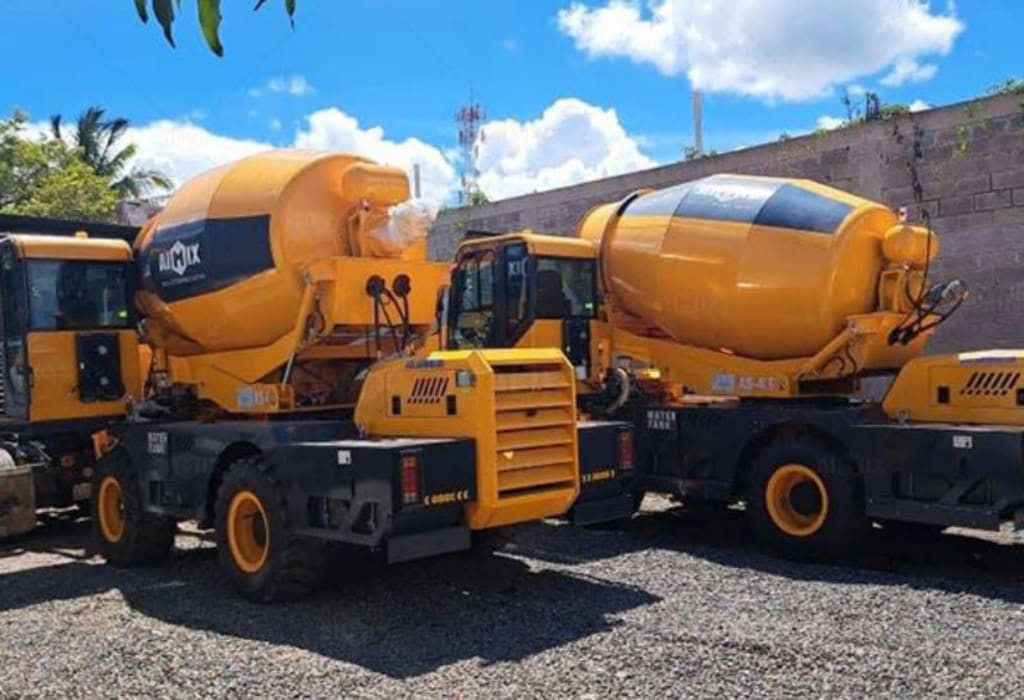
The procurement of a concrete mixer in the Ethiopian market presents a complex analytical challenge, where a simplistic focus on the lowest quoted price is a frequently costly error. Concrete mixer price in Ethiopia from different suppliers can exhibit significant variance, a discrepancy that often reflects profound differences in product specification, commercial terms, and supplier capability rather than mere pricing strategy. A disciplined, structured comparison is therefore not merely advisable but a fundamental requirement for capital preservation and operational success. This process necessitates a systematic approach that transcends the initial financial figure to scrutinize the underlying value proposition, the totality of financial exposure, and the strategic implications of the supplier relationship. The objective is to identify not the cheapest option, but the most economically rational investment over the machine's anticipated lifecycle.
Standardizing the Comparison: Moving Beyond the Sticker Price
The first and most critical step is to establish a common basis for evaluation. Suppliers may quote for ostensibly similar machines—a "self-loading mixer" or a "10/7 diesel mixer"—but the mechanical and performance specifications can differ substantially. A rigorous comparison must begin with a fixed, detailed technical specification sheet that you provide to each potential supplier. This document must mandate specific parameters: engine brand and rated power (in kilowatts, not horsepower), hydraulic pump and motor specifications, mixing drum capacity (struck vs. heaped), standard attachment inclusions (loading bucket, water tank capacity), and the grade of steel used in critical structural components. Only when bids are received against this identical technical baseline can a meaningful financial analysis commence. Comparing a mixer with a globally recognized diesel engine to one with an untested power plant based solely on price is an analytical failure. The specification sheet acts as a control, ensuring you are evaluating commensurate assets.

Deconstructing the Quotation: A Forensic Examination of Cost Components
A supplier's quotation is a financial document that requires dissection. The total price is an aggregate of several discrete cost components, each requiring individual scrutiny. First, ascertain the ex-works (EXW) or cost, insurance, and freight (CIF) incoterm. An EXW self loading concrete mixer price from a manufacturer in China or India appears lower but places the entire logistical burden—international freight, insurance, customs clearance in Djibouti, import duties, and inland transportation to Addis Ababa or your site—upon you. These costs are volatile and substantial. A CIF Djibouti or even a delivered duty unpaid (DDU) Addis Ababa price provides greater cost predictability and shifts logistical risk to the supplier. Second, explicitly identify what is included. Are spare parts kits, essential tools, and operator training part of the package, or are they costly add-ons? Third, analyze the payment terms. A demand for 100% advance payment carries significantly higher risk than a structured payment plan tied to production milestones or shipment. The true financial commitment is not the headline price but the sum of all obligations required to have a fully operational mixer on your site.
Evaluating the Intangible Premium: After-Sales Support and Long-Term Viability
The final, and often decisive, phase of comparison assesses factors not readily quantified in a quotation but with direct long-term financial impact: after-sales support and supplier stability. The operational cost of a large concrete mixer for sale is heavily influenced by downtime. A supplier with a well-established service center in Ethiopia, a stocked inventory of common spare parts, and certified technicians provides a form of operational insurance. The absence of this support network means that a simple component failure can lead to weeks of inactivity while parts are sourced internationally. Investigate the supplier's local presence, their stated response time for service, and request references from their existing Ethiopian clients. Furthermore, evaluate the manufacturer's longevity and reputation. A marginally cheaper mixer from a transient trading company that may not exist in two years represents a far greater risk than a premium paid to an established manufacturer with a commitment to the region. This intangible premium secures your access to technical documentation, future spare parts, and software updates, directly safeguarding the residual value of your asset. In the Ethiopian context, where supply chain disruptions are a persistent challenge, the supplier's local operational resilience is a critical component of the total cost of ownership. The most advantageous price is the one that minimizes total lifecycle cost, not merely initial expenditure.
About the Creator
AIMIX
Construction Machine Manufacturer in China. Find Machines here: https://aimixconcretesolution.com/
Trade Finance on the Blockchain: How Tokenization Is Reshaping Global Commerce
Blockchain technology is gradually moving beyond speculative trading and decentralized finance into real-world economic infrastructure. One of the most promising areas where this shift is taking place is trade finance, a sector responsible for facilitating trillions of dollars in global commerce every year.
By Muhammad Irfan Afzal4 days ago in 01



Comments