
How to Choose Cute Baby Boy Outfits That Are Also Practical
Style meets everyday ease—discover smart ways to dress your little one in adorable outfits that keep comfort, safety, and function at the heart of every look


When it comes to dressing your baby boy, every parent wants the same thing — clothing that’s both adorable and easy to manage. But cute doesn’t always mean convenient, and practical doesn’t have to be plain. So how do you strike the perfect balance?
Let’s walk through what really matters when shopping for cute baby boy outfits that are stylish, functional, and perfect for everyday life.
1. Comfort Comes First: Choose Soft, Gentle Fabrics
It’s tempting to go straight for those charming little suspenders or the stylish mini jeans, but pause for a moment and check the fabric. A baby’s skin is delicate and sensitive, so you’ll want materials that are soft, breathable, and safe.
Best Fabric Choices:
- 100% Cotton – Natural, breathable, and soft on the skin.
- Organic Cotton – Free of harsh chemicals and even gentler for sensitive skin.
- Bamboo Blends – Smooth, hypoallergenic, and perfect for babies prone to irritation.
Rough seams, tags, or synthetic fabrics can cause discomfort or rashes. Always feel the inside of the garment before buying — if it wouldn’t feel good on your skin, it won’t feel good on your baby’s either.
2. Go for Easy-On, Easy-Off Styles
Let’s face it: dressing and undressing a wiggly baby happens a lot throughout the day — whether it’s for diaper changes, nap time, or messy meals. The last thing you want is a complicated outfit with too many buttons or stiff materials.
Look for:
- Snap-bottom onesies for quick diaper access.
- Zipper sleepers (especially the ones with two-way zippers).
- Stretchy necklines or shoulder snaps for easy dressing.
Outfits should be easy to put on and take off without a struggle. The easier it is to change them, the happier both you and your baby will be.
3. Think in Layers for Year-Round Comfort
Dressing your baby in layers isn’t just about fashion — it’s about comfort and temperature control. Babies can't regulate their body temperature as well as adults, so layering helps you adjust to changing conditions throughout the day.
Your Go-To Layers:
- Bodysuits as a base.
- Light cardigans or jackets for chilly mornings.
- Soft cotton leggings or pants that go on easily.
Layering also gives you more styling options — you can mix and match colors and textures for an effortlessly cute look.
4. Choose Colors and Patterns That Mix and Match
A closet full of cute baby boy outfits doesn’t have to be packed to the brim. With the right color palette and a few versatile prints, you can get more mileage out of every piece.
What Works:
- Neutral shades like gray, beige, navy, or soft greens.
- Classic patterns such as stripes, stars, animals, or dots.
- Solid-color basics that can be paired with fun accessories.
These choices keep the wardrobe cohesive, so getting dressed becomes simple — even for sleep-deprived mornings.
5. Don’t Overlook the Power of a Good Fit
While it’s smart to buy a few items in the next size up for longer wear, oversized clothes can get in the way during tummy time or crawling. Aim for a balance between comfort and fit.
Practical Tips:
- Check size guides — not all brands fit the same.
- Adjustable waistbands give room to grow.
- Rollable sleeves and cuffs help extend wear time.
Too-tight clothes can restrict movement, while oversized pieces can bunch up or cause your baby to trip. Proper sizing helps keep your little one safe and comfy.
6. Keep It Safe: Skip the Extras That Get in the Way
We all love a bow tie or hoodie with ears — they’re undeniably cute. But safety should never be compromised for style. Some outfit extras can actually become hazards.
Watch Out For:
- Loose buttons or small embellishments that can be choking risks.
- Drawstrings on hoods or pants — avoid these entirely.
- Scratchy zippers or rough seams that can irritate the skin.
Instead, opt for safe alternatives like embroidery, sewn-in patches, or printed graphics that add style without creating any risk.
7. Save the Statement Pieces for Special Moments
Every wardrobe needs a few wow outfits — something cute enough for a family photo, a birthday party, or the occasional holiday celebration. These don’t have to be overly fancy, but they should feel a bit more special.
A Few Ideas:
- Mini overalls with a bodysuit underneath
- Matching hat and romper sets
- Bow tie onesies for a dressed-up vibe
Keep in mind, these pieces should still be comfortable and practical enough for a few hours of wear. If your baby isn’t happy in it, the cuteness won’t matter.
8. Build a Capsule Wardrobe to Keep Things Simple
A capsule wardrobe isn’t just trendy — it’s a lifesaver for busy parents. Instead of drawers overflowing with outfits that never get worn, you have a streamlined collection that actually works.
A Sample Baby Capsule:
- 6–8 bodysuits
- 3–4 comfy pants
- 2 cardigans or hoodies
- 4 pajamas or sleepers
- 2 special outfits
- Socks, hats, and bibs
With pieces that mix and match well, you can create countless cute baby boy outfits without the clutter.
9. Accessorize Smartly
Accessories can instantly elevate any outfit, and they don’t just have to be for style — many serve a practical purpose too.
Must-Have Accessories:
- Bandana bibs that catch drool and add flair.
- Soft beanies or caps for warmth.
- Slip-on booties or socks that stay put.
Look for items that are washable, soft, and made to stay on. Babies tend to kick off anything that’s not comfy!
10. Choose Trusted Brands That Balance Cute and Practical
Some brands really understand what modern parents are looking for: baby clothes that are as wearable as they are adorable. Whether you’re shopping in-store or online, choose brands known for quality, comfort, and thoughtful design.
Brands to Explore:
RoandFern – Known for minimal, photo-ready styles with everyday functionality.
Kyte Baby – Bamboo fabric lovers will appreciate the softness and stretch.
Primary – Focused on bright basics and gender-neutral pieces.
Hanna Andersson – Great for long-lasting quality and bold prints.
Invest in brands that use baby-friendly fabrics and have consistent sizing so you can buy confidently.
Final Thoughts
Choosing cute baby boy outfits that are also practical doesn’t have to be overwhelming. With the right approach — focusing on comfort, ease, safety, and style — you can build a wardrobe that works for both everyday life and special moments.
Remember, your baby doesn’t need 50 outfits — just a thoughtful selection of pieces that are soft, safe, easy to use, and undeniably cute. Whether you're dressing him for a cozy day at home or a special family event, you'll be ready with outfits that keep him looking his best and feeling great.
Frequently Asked Questions (FAQ)
1. How many outfits does a baby boy really need?
Most parents find that having 6 to 8 everyday outfits, a few sets of pajamas, 2–3 layering pieces, and 1–2 special occasion outfits is a good starting point. Babies grow quickly, so aim for quality over quantity.
2. What fabrics are best for baby boy outfits?
The best choices are 100% cotton, organic cotton, and bamboo blends. These fabrics are breathable, soft on the skin, and less likely to cause irritation or overheating.
3. Should I buy clothes in bigger sizes?
Yes, it’s smart to buy a mix of current and one-size-up clothing. Babies outgrow clothes quickly, so slightly larger outfits with adjustable features (like stretch waistbands or rollable cuffs) can be more practical.
4. What should I avoid when buying baby clothes?
Avoid outfits with:
- Loose buttons or embellishments (choking hazard)
- Tight elastic bands that can leave marks
- Drawstrings (unsafe around the neck)
- Rough seams or tags that can irritate the skin
About the Creator
Roand Fern
"At Ro and Fern, we celebrate the beauty of every season with a curated selection of sustainable home goods, stylish clothing, and playful toys. From cozy fall knits for babies to trendy outfits for tweens.
Keep reading
More stories from Roand Fern and writers in 01 and other communities.
How to Choose the Right Size When Shopping for Boys' Clothes Online
Understanding Boys' Clothing Size Charts When shopping for boys' clothing online, understanding size charts is crucial. Each retailer provides a size guide, but these guides can vary significantly. Most charts use measurements for height, weight, chest, waist, and hip to determine the best fit. In the U.S., boys' clothing sizes are typically categorized by age, such as 2T, 3T, 4T (Toddler), then XS, S, M, L, and XL (Big Boys). European and Asian sizing systems often use centimeters, so it's essential to convert sizes when shopping internationally.
By Roand Fern11 months ago in 01
Understanding the Cultural Importance of Handbags
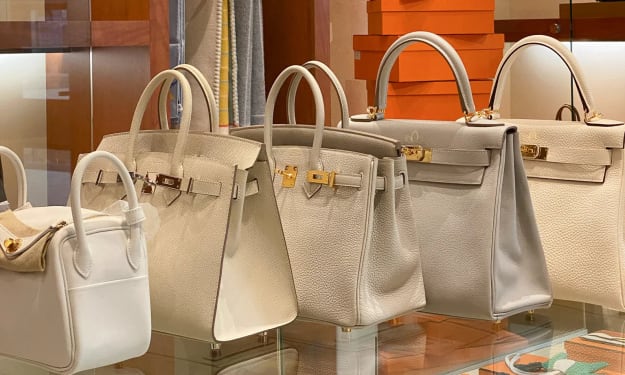
Handbags have played a meaningful role in fashion and daily life for centuries. Historically, handbags were created out of necessity, designed to help people carry personal belongings such as money, tools, or documents. Over time, they evolved into carefully designed accessories that combine practicality with aesthetics. Today, handbags are widely recognized as symbols of personal style, social identity, and changing fashion values.
By charliesamuel7 days ago in 01
2026 Career Reality How You Become a Mobile App Developer
In 2026, the question how do you become a mobile app developer is no longer answered by learning a stack and shipping an app. A tectonic shift inside the Google ecosystem has tied developer relevance to AI Retrieval, Zero Click behavior, and entity-level trust, creating direct career risk for those who build without authority awareness.
By Mike Pichai5 days ago in 01



Comments
There are no comments for this story
Be the first to respond and start the conversation.