
How to Build a Pillar Page for SEO That Boosts Google Rankings and Traffic in 2025
Create a High-Authority Hub That Google Loves to Rank


Disclaimer: This content was generated using AI.
Introduction
They absolutely are — but the rules have changed. With algorithm updates and higher user expectations, pillar pages need more than length to perform. They must be structured, comprehensive, and connected.
This guide breaks down:
- What a modern pillar page is and how it works
- The exact steps to build one that ranks
- Proven pillar page formats that drive results
What Is a Pillar Page in SEO?
A pillar page is a comprehensive, long-form guide focused on a core keyword that links out to multiple related articles (your cluster content).
A successful 2025 pillar page:
- Targets multiple stages of user intent
- Includes clean internal linking to cluster posts
- Balances keyword targeting with UX
- Acts as a navigational hub for search engines and users
These pages often exceed 3,000 words and are built to anchor a full content cluster.
Why Pillar Pages Still Work in 2025
Even with AI-generated content flooding the web, Google rewards pages that:
- Demonstrate real topical depth
- Offer structured information across the funnel
- Build strong internal linking networks
A high-quality pillar page:
- Reduces keyword cannibalization
- Enhances crawl efficiency
- Boosts topical authority for broad and long-tail keywords
Sites that adopt the pillar-cluster model consistently outperform flat blog architectures.
How Pillar Pages Have Evolved
The old days of 2,000-word catch-all articles are gone. Today’s pillar pages are:
- Modular (linked to 10-20 supporting posts)
- Visual (infographics, videos, embeds)
- Intent-based (split by awareness, consideration, decision)
- Built for dwell time and conversions
Pillar Page vs. Cluster Content
Think of your pillar as the homepage for a single topic.
- Pillar = Covers the big picture
- Clusters = Drill into subtopics
Together, they form a topic cluster. Google sees this structure and ranks you higher for broad queries.
4 Pillar Page Formats That Work in 2025
1. The Deep Guide
- 3,000-5,000+ words
- Covers history, best practices, case studies
- Links to 8-12 detailed cluster pages
- Best for ranking and backlinks
2. The Resource Hub
- Lists tools, templates, or examples
- Organized into sections with brief blurbs
- Links to 20+ assets
- Best for lead magnets and shares
3. The Solution Hub
- Tackles a specific problem
- Outlines different solution types
- Links to actionable how-tos
- Best for converting high-intent readers
4. The 10X SEO Pillar
- Aims to be the definitive source on the topic
- Includes expert quotes, proprietary data
- Connects to every subtopic Google expects
- Best for brand authority and PAA visibility
How to Build a Pillar Page Step-by-Step
Step 1: Pick the Right Topic
- Choose a head term with strong search demand
- Avoid overly broad topics like "marketing"
- Ensure clear cluster opportunities exist
Step 2: Plan Your Cluster Map
- Use keyword tools to find 10-20 related queries
- Group by intent (what, how, comparison, etc.)
- Map each to a future cluster article
Step 3: Build a Smart Structure
- Start with a strong H1 and intro
- Use H2s for each major subtopic
- Link out to clusters from relevant H3s
Step 4: Write With E-E-A-T in Mind
- Add author bios and credentials
- Cite data and authoritative sources
- Answer FAQs with precision
- Update regularly
Step 5: Connect Internally
- Link each cluster back to the pillar
- Use anchor text that signals the topic
- Make navigation intuitive for readers and crawlers
Step 6: Optimize for Conversions
- Use callouts and design breaks
- Drop content upgrades mid-scroll
- Add CTAs where reader intent is highest
Step 7: Monitor and Improve
- Check rankings, scroll depth, bounce rate
- Spot sections with low engagement
- Refresh and relaunch content every 6 months
Mistakes to Avoid
- Targeting vague topics like "business success"
- Writing 5,000 words with no structure
- Forgetting to link to or from your cluster content
- Leaving out visuals or CTAs
- Not tracking performance
Expert Tactics to Boost Performance
Use a Keyword Grid
- Tier 1: Pillar term
- Tier 2: Cluster terms
- Tier 3: FAQs for featured snippet wins
Follow the 3-Click Rule
- Users should reach any cluster in 3 clicks or fewer
Embed Visual Aids
- Charts, videos, templates = higher time on page
Insert Lead Magnets Where Intent Peaks
- Place opt-ins right after high-value sections
Track What Moves the Needle
- Organic traffic by cluster
- Conversions assisted by the pillar
- Link growth over time
What Makes a Pillar Page Different from a Category Page?
- Category pages list articles
- Pillar pages teach, organize, and convert
Your pillar should feel like a full educational resource, not a content index.
Future-Proofing Your Pillar Pages
Watch for:
- Voice search queries influencing structure
- Search generative experience (SGE) prioritizing rich content
- AI summaries using your headings and lists
Pillar content will evolve to support:
- Interactive tools
- Personalized content modules
- Multimedia-first formats
Final Takeaway
Pillar pages still dominate SEO in 2025 — if they’re done right.
They require planning, structure, keyword mapping, and constant updates.
If you want to rank for competitive terms and build real topic authority, pillar pages aren’t optional. They’re your foundation.
Map your content. Write like a teacher. Link like a librarian.
Then measure, improve, and repeat.
About the Creator
James Oliver
I help entrepreneurs build profitable online businesses. Sharing proven strategies and insights as I grow my own affiliate marketing business to $1M per year.
Keep reading
More stories from James Oliver and writers in 01 and other communities.
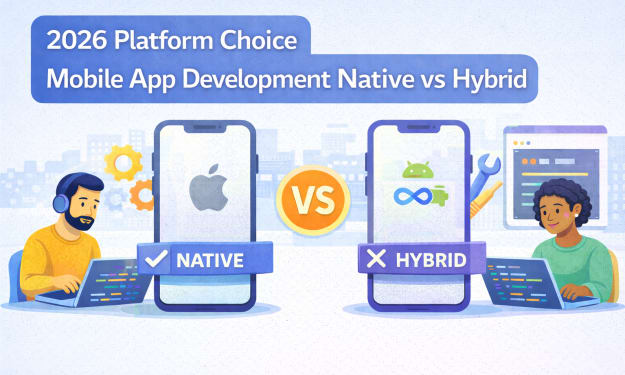
2026 Platform Choice Mobile App Development Native vs Hybrid
In 2026, mobile app development native vs hybrid is no longer a framework debate. It reflects a tectonic shift inside the Google ecosystem where AI Retrieval, Zero Click discovery, and entity-level evaluation now shape risk exposure, authority loss, and strategic realignment for every mobile product.
By Samantha Blake7 days ago in 01
How James Kodrowski Builds Scalable Businesses and Long-Term Investments
James Kodrowski is widely recognized as an Entrepreneur, Business Leader & Investor known for building scalable businesses while maintaining a disciplined, long-term investment mindset. His approach combines financial intelligence, operational excellence, and leadership-driven strategy, making his work highly relevant across Finance & Financial Services, Business Strategy & Operations, and Entrepreneurship & Leadership.
By James Kodrowski7 days ago in 01
Smart phones, Humans and Aliens.
WARNING. I will be tapping into one of your favorite creative tensions: The absurdity of humans worshipping their glowing rectangles as if they were tiny oracles. There’s something deliciously poetic about that contradiction, and it lends itself beautifully to an instructive proviso.
By Novel Allen5 days ago in Poets



Comments
There are no comments for this story
Be the first to respond and start the conversation.