
How to Budget for a Home Remodel Without Cutting Corners
Peninsula Design and Construction
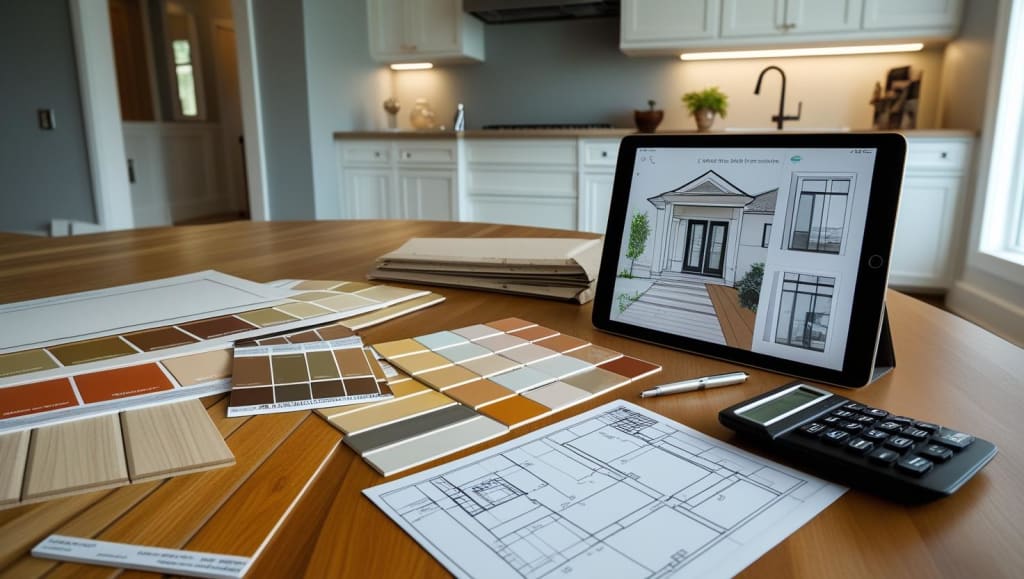
Remodeling your home is one of the most effective ways to improve both its functionality and value. Whether you're updating a single room or planning a whole-house renovation, creating a clear, realistic budget is crucial to the success of your project. Unfortunately, many homeowners and small business property owners enter the remodeling process without a solid financial plan—leading to overspending, delays, or unfinished work.
This guide walks you through how to budget for a home remodel without cutting corners or sacrificing quality, so your investment pays off in both the short and long term.
1. Define the Scope of Your Remodel
The first step in creating a reliable budget is determining exactly what you want to remodel. Are you upgrading a kitchen, converting a garage, building a bathroom, or adding a new room? The more clearly you define the scope, the more accurate your cost estimates will be.
Questions to consider:
- Are structural changes involved (e.g., moving walls, changing rooflines)?
- Will you need plumbing, electrical, or HVAC work?
- Are you replacing finishes or opting for cosmetic updates only?
Pro tip: Make a wish list and a “must-have” list. This helps prioritize your budget later on.
2. Research Average Costs in Your Area
Remodeling costs vary significantly based on location, labor rates, and material prices. Use local and national averages to get a sense of cost per square foot or per project type.
General ranges (2024 estimates):
- Kitchen remodel: $25,000–$75,000
- Bathroom remodel: $10,000–$40,000
- Basement remodel: $20,000–$50,000
- Whole-home renovation: $100–$300 per square foot
Websites like Remodeling Magazine’s Cost vs. Value Report can help you compare project types and regional averages.
3. Set a Realistic Total Budget
Once you understand potential costs, it’s time to set a cap on spending. Factor in both your financing capabilities and your long-term goals. For example, if this remodel is a stepping stone to selling, you may budget differently than if it's your forever home.
Your total budget should include:
- Construction costs
- Design and architectural fees
- Permits and inspections
- Furniture and décor
- Temporary housing or storage (if needed)
- A contingency reserve (10–20% recommended)
4. Prioritize Value Over Expense
The cheapest materials or contractors often lead to higher costs later on. Focus on areas where quality really matters:
Invest in:
- Structural integrity (framing, foundation, roofing)
- Energy efficiency (windows, insulation, appliances)
- Long-wear surfaces (countertops, flooring)
Where to save smartly:
- Reuse cabinetry or fixtures if in good condition
- Use laminate or quartz instead of natural stone
- Opt for standard sizes to reduce custom work
Your goal should be long-term durability, not just short-term affordability.
5. Choose the Right Professionals
Hiring experienced, licensed contractors may cost more upfront but prevents costly mistakes and rework.
Get quotes from at least 3 contractors and compare line-item breakdowns. Ask for:
- Proof of insurance
- References and photos of similar projects
- A fixed-price contract with payment milestones
Design-build firms can offer better coordination between design, permitting, and construction—and may save money overall.
6. Account for Permits and Hidden Costs
It’s easy to forget about the “invisible” costs of remodeling, but they can add up quickly:
- City or county permit fees ($500–$3,000+)
- Engineering or architectural drawings ($2,000–$10,000+)
- Utility upgrades (e.g., electrical panel, sewer line)
- Asbestos or lead paint remediation
- Debris removal or cleanup services
Your contractor should factor these into your quote, but always double-check.
7. Create a Detailed Line-Item Budget
Break down your remodel into categories:
- Demolition
- Framing and structure
- Plumbing, electrical, HVAC
- Insulation and drywall
- Cabinetry and countertops
- Flooring and tile
- Painting and finishes
- Appliances and fixtures
This transparency allows you to identify overruns early and make smart trade-offs if needed.
8. Build a Contingency Reserve
Even the most well-planned remodels encounter surprises—mold behind the walls, outdated wiring, or shifting timelines due to supply chain issues.
Best practice: Set aside 10–20% of your total budget as a contingency fund.
This reserve ensures you don’t compromise quality or pause the project if something unexpected arises.
9. Understand Financing Options
Not everyone can pay for a remodel in cash. Explore financing choices based on your budget:
- Home equity line of credit (HELOC)
- Cash-out refinance
- Personal loan
- Credit cards (for small, short-term needs only)
Choose an option that aligns with your financial goals and remodeling timeline. Be cautious of interest rates and repayment terms.
10. Track Expenses and Stay Involved
Once your remodel begins, treat it like a project manager would. Keep receipts, review invoices, and check progress regularly.
Tips:
- Use budgeting apps like Mint or Excel spreadsheets
- Approve change orders in writing
- Communicate frequently with your contractor
Being engaged and organized helps prevent scope creep and ensures your budget stays intact.
Final Thoughts
Budgeting for a home remodel doesn’t mean cutting corners—it means making informed, strategic decisions from day one. A well-planned budget helps you protect your investment, avoid unnecessary stress, and create a space that adds value and function to your property.
Whether you’re remodeling your home or a business-owned property, the same principles apply: clarity, research, communication, and smart financial planning. When done right, a remodeling project doesn’t just improve your space—it improves your quality of life.
About the Creator
Keep reading
More stories from Jared Benning and writers in 01 and other communities.
Carpet vs. Hardwood: Which Flooring Is Right for Your Home or Office?
When it comes to selecting the right flooring for your home or office, the decision often boils down to two popular options: carpet or hardwood. Both have distinct benefits and drawbacks, and the right choice depends on your aesthetic preferences, lifestyle, budget, and how the space will be used. Whether you’re redesigning a living room, upgrading a commercial office space, or preparing a rental unit, choosing between carpet and hardwood requires careful consideration.
By Jared Benning9 months ago in 01
How Startups Are Planning Successful KOL Campaigns in 2026?
Influencer marketing continues to evolve rapidly, and 2026 is no exception. Traditional influencer strategies have shifted to focus on deeper audience trust, niche relevance, and measurable business outcomes. Key Opinion Leaders (KOLs) are now central to strategic brand growth especially for startups aiming to build credibility, establish authority, and acquire loyal customers from day one. In this blog, we explore how startups are planning and executing successful KOL campaigns in 2026 from strategy formulation to analytics and future trends.
By Jack santo7 days ago in 01
Silken Chains
Silhouettes of the female form were given flesh and bone. Silken skin glistened under the spotlight. Dry ice rose around our Icons as they danced atop their podiums in the Square. Heralded for their beauty, their movements were slight, powerful, and sensual.
By Paul Stewart4 days ago in Fiction




Comments (1)
You're spot on about the importance of a clear budget for home remodels. I've seen projects go awry due to lack of planning. Defining the scope first is key, then researching costs in your area.