
How to Budget a Construction Waste Recycling Line: CapEx, OpEx, and Hidden Site Costs
How to Budget a Construction Waste Recycling Line

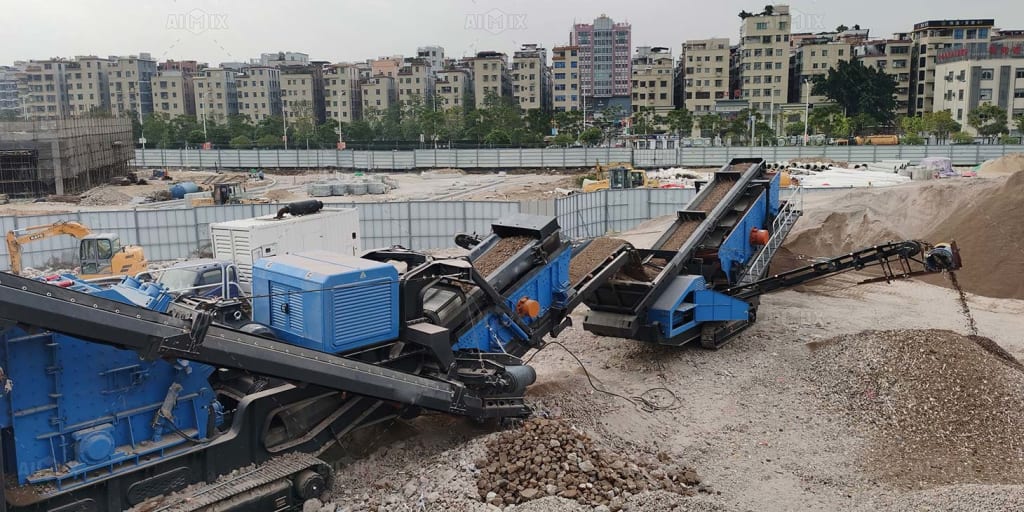
Establishing a construction waste recycling operation requires careful financial planning that extends far beyond simply purchasing equipment. Many recycling ventures encounter budgetary challenges not because of equipment costs, but due to underestimating the comprehensive ecosystem required to transform waste materials into valuable products. A holistic budgeting approach must account for three distinct financial dimensions: the initial capital outlay for machinery and setup, the ongoing operational expenses of running the recycling process, and those often-overlooked site-specific costs that can dramatically impact overall viability.
Successful recycling operations begin with realistic financial projections that acknowledge both the apparent and subtle costs of processing construction debris. From permitting nuances to energy consumption patterns, each element demands careful consideration to avoid budgetary shortfalls that could compromise the operation's sustainability. Let's explore the key financial components that determine whether a construction waste recycling line becomes a profitable enterprise or a financial burden.
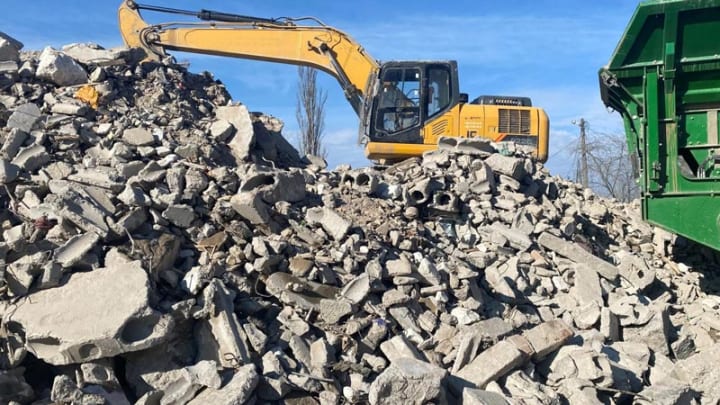
Initial Capital Investment: Equipment and Setup Considerations
The capital expenditure for a recycling line encompasses significantly more than the crushers and screens that form the operational heart of the facility. Primary crushing units represent the most substantial equipment investment, with prices varying dramatically based on capacity, mobility, and technological sophistication. Stationary plants require substantial concrete foundations and utility connections, while mobile crushers trade some processing capacity for flexibility and reduced infrastructure costs.
Beyond the core processing equipment, budgeting must include material handling systems such as conveyors, stackers, and sorting stations that facilitate efficient material flow. Dust suppression systems, noise abatement measures, and safety installations constitute mandatory rather than optional investments in most jurisdictions. The site itself requires preparation through grading, drainage implementation, and access road construction—elements often overlooked in initial budgeting but essential for operational functionality.
Operational Expenditures: Running Your Recycling Operation
The day-to-day expenses of operating a recycling line present ongoing financial considerations that directly impact profitability. Labor costs extend beyond equipment operators to include maintenance technicians, quality control personnel, and material sorters—each playing a crucial role in the recycling ecosystem. Fuel or electricity consumption represents a substantial recurring expense, particularly for crushing and screening processes that demand significant power.
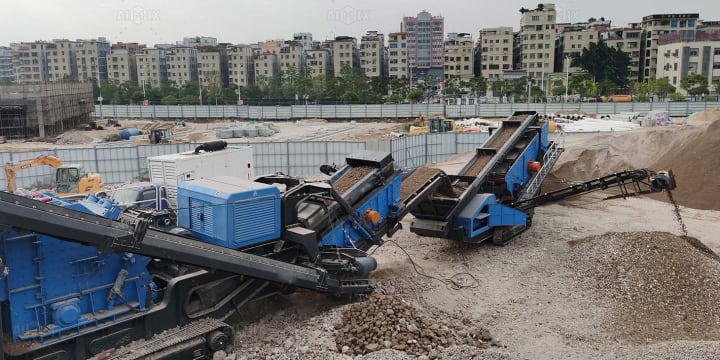
Maintenance constitutes another critical operational cost category, with wear parts for crushers and screens requiring regular replacement. The abrasiveness of construction debris accelerates component wear, making maintenance budgeting particularly important for recycling operations. Material handling expenses include equipment transportation between sites for mobile impact crusher for sale, the costs of moving both incoming waste materials and outgoing processed products. These logistical elements frequently determine whether recycled materials can compete price-wise with virgin alternatives.
Unforeseen Site Costs and Contingency Planning
Even experienced operators encounter unexpected expenses when establishing recycling operations. Regulatory compliance often reveals hidden costs through permitting requirements, environmental monitoring obligations, and community mitigation measures. Many jurisdictions mandate water recycling systems, dust emission controls, and noise limitation technologies that substantially impact both initial investment and ongoing operational expenses.
Site-specific considerations frequently present budgetary challenges that generic equipment costing fails to anticipate. Soil conditions may require enhanced foundation engineering, while proximity to residential areas might necessitate additional sound barriers or visual screening. Environmental testing and remediation costs can emerge when dealing with historical contamination on industrial sites repurposed for recycling operations. Transportation access limitations may require investment in additional loading facilities or off-site transfer stations.
The most successful recycling operations allocate at least 15-20% of their total budget to contingency planning for these unforeseen expenses. This financial cushion allows operations to adapt to regulatory changes, address unexpected site conditions, and implement technological improvements as recycling markets evolve. By acknowledging the complete financial picture—from obvious equipment costs to subtle operational considerations—recycling ventures can establish sustainable operations that deliver both environmental benefits and financial returns.
About the Creator
consrtuctionmachines
AIMIX is a customer-center-oriented heavy equipment manufacturer and supplier, devoted to production, innovation, combination, one-stop solution, etc.
https://aimixgroup.com/
Keep reading
More stories from consrtuctionmachines and writers in 01 and other communities.
Concrete Paver Machine Price Checklist: What to Ask Suppliers Before Buying
Investing in a concrete paver machine can be a game-changer for contractors, builders, and construction companies. These machines save time, reduce labor costs, and produce consistent, high-quality paving results. However, the concrete paver machine price varies widely depending on machine type, capacity, technology, brand, and supplier. To avoid overspending—or worse, buying a machine that doesn’t fit your project needs—you need a clear checklist of questions to ask suppliers before making the purchase.
By consrtuctionmachines4 months ago in 01
Musk wants up to $134B in OpenAI lawsuit, despite $700B fortune
Elon Musk wants a jaw-dropping $79 billion to $134 billion in damages from OpenAI and Microsoft, claiming the AI company defrauded him by jettisoning its nonprofit mission, Bloomberg first reported. The figure comes from expert witness C. Paul Wazzan, a financial economist whose bio says he has been deposed nearly 100 times and testified at trial more than a dozen times in complex commercial litigation cases.
By Dena Falken Esqa day ago in 01
Personal Tax Accountants: A Practical Guide for Individuals in the UK
Personal Tax Accountants are no longer seen as a luxury reserved for high earners or business owners. Across the UK, more individuals are choosing professional tax support simply because the tax system has become harder to navigate alone. With frequent rule changes, stricter HMRC checks, and more people earning income in different ways, personal tax accountants offer clarity, reassurance, and practical help that many now consider essential rather than optional.
By Outsourced Bookkeeping Solutions3 days ago in 01




Comments