
How to Add Product Customization Features in Shopify
Learn how to add product customization features to your Shopify store and boost sales with dynamic options, custom fields, and a personalized shopping experience.

TL;DR
Outfitting your Shopify store with product customization can boost customer satisfaction by 36% and create the opportunity for premium pricing. In this guide, we cover everything you need to know about adding product customization features to your Shopify store from which customization apps to use to how to make product customization workflows more efficient. See product customization ideas, top customization tools, an overview of setup, and the best practices of successful merchants who expertly customize a standard product to a personalized experience.
Key Takeaways
- It was found that 36% of customers are willing to pay for customized products and almost half say they will wait to get customized products !!
- 81% of consumers would like to be purchasing from companies that provide personalized experiences.
- There more than 80% of Shopify merchants were using 3rd party apps with over 25.8 million apps installed.
- Customization can provide lift of 20-30% in average order value.
- Custom products can reduce returns at a rate of approximately 15%.
- Personalized shopping experiences increase customer retention.
What is Shopify Product Customization and Why Does It Matter?
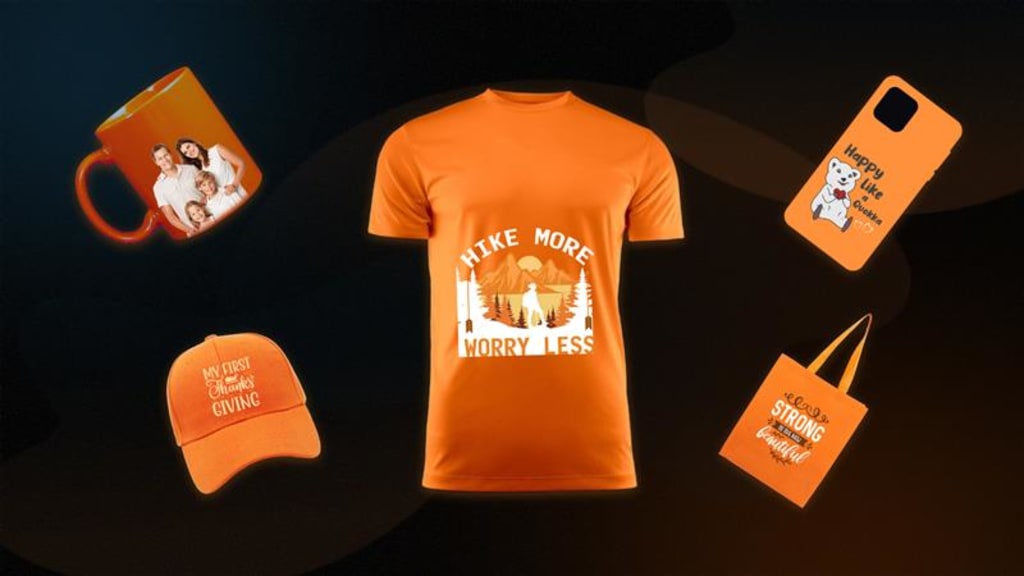
The Shopify product customization experience allows consumers to personalize their products before they buy them. Customization can be as simple as placing custom text and images on a product, or selecting options like color, size, or materials. In today's competitive world of e-commerce, customizing a product on Shopify is a game changer for differentiating yourself and retaining customers.
The statistics are clear: Consumers always look for products that represent their individuality, and businesses that provide these customers with customization experience are seeing returns. Shopify, which has over 1.75 million merchants on the platform, is the preferred source for businesses with robust customization capabilities.
Product personalization is both a trend and a significant change in the consumer buying experience. Today's shoppers want products that share their story, while reflecting their style and serve their unique needs. With this shift, Shopify custom options are no longer seen as an add-on; they are a necessity to remain competitive.
How Product Customization Works in Shopify
Before implementing Shopify product personalization, it is important to understand how the platform works. At its core, the Shopify product personalization framework is flexible and supports a variety of customization options through native features and third-party apps.
Native Shopify Customization Features
Shopify provides the following native customization options without the need for third-party apps:
Product Variants: The most basic form of customization, here the customer can select different sizes, colors, materials, and styles of the product. Shopify's variants support a maximum of 100 variants per product and up to 3 option types, option types could be size, color and material for example.
Product Options: Basic fields where a customer can add requests for personalization. The product options do not affect price or inventory automatically and allow for simple text fields.
Metafields: More robust advanced custom fields that contain additional product information and customer preferences. Metafields can be complex, and require technical knowledge to implement them correctly.
Third-Party App Integration
Most successful custom product shopify stores rely on specialized product customizer apps that extend the capabilities of the shopify platform. Many shopify merchants run third-party technologies on their store, in addition to their needs most commonly provided via apps from the shopify app store, as customization apps tend to be one of the most popular app categories.
These apps typically work by:
- Adding customization interfaces to product pages
- Capturing customer preferences and storing them with orders
- Managing pricing adjustments based on customization options
- Generating production files or specifications for fulfillment
- Integrating with print-on-demand services or custom manufacturers
Top Features of Product Customization Tools for Shopify
There are several features of any customization solution that can help you identify the best product customization tools from simple customization.
Visual Customization Interface
Modern customers expect to see their customizations in real-time. The best tools can enable live previews, 3D visualization, and interactive design capabilities to allow customers to better visualize their personalized products before they buy.
Pricing Flexibility
Pricing rules based on material type, complexity, or types of customizations. With this, I'd make it possible to charge a percentage based up on markups, flat fees or complex tiered pricing.
File Upload Features
I want customers to upload their images, logos, or design files. The system would need to accept various file types and provide feedback on resolution and size as well as type and quality for print readiness.
Production Workflow Integration
The ability to connect seamlessly into fulfillment processes whether that's an print on demand service, local manufacture or inhouse production team. I think this indicates an automated way of generating files and routing through to an order.
Mobile friendliness
Over 50% of Shopify stores have a high percentage of repeat purchase customers and a high percentage of these are done on a phone. Customization tools will need to work unbelievably well across all devices.
Reporting and Analytics
Finding out patrons' favourite customization options, tracking conversion rates, spotting opportunities for optimizations all with useful reporting capabilities.
Benefits of Adding Product Customization to Your Shopify Store
Increased Revenue and Profit Margins
Product customization helps you in three ways: personalized products command 20-30% higher prices than generic products because consumers will pay a premium for products that are personalized to their specifications; The pricing power comes from the perceived value related to personalization and also consumer's reduced price sensitivity for items that feel unique.
The second positive aspect of customizing products is that custom products also have higher average order values; If your customers are investing time into customizing a company product they are more likely to add related products or upgrade to product line; The psychological commitment which is associated with customizing products yields strong purchase intent.
Enhanced Customer Experience and Loyalty
The 2024 Forbes state of customer service and CX Survey revealed that 81% of customers prefer companies that provide personalized experiences. Customers are driven by this preference as it relates to loyalty and repeat purchases. When your customers can create products that represent their style or meet their specific needs, they build an emotional connection to both the product and your brand.
Customization also decreases decision fatigue. Instead of scrolling through hundreds of products that look almost identical to one another, your customer can start with something that is already a base item and just make modifications to it, streamlining their purchase experience to meet their need, which is a more pleasant experience for a modern buyer.
Reduced Competition and Market Differentiation
In busy marketplaces, the uniqueness of custom products offers natural barriers to competition. A competitor cannot layer customized experiences like they can a commercial product. Differentiation is even more useful for companies in markets where the competition resorts to price wars, because they cannot compete with the experiential journey of a custom product purchase.
Lower Return Rates
Custom products have a 10% - 15% lower return rate than standard commercial products. When a customer takes an interest in the design process for their product, they're more likely to be confident with the purchase. In fact, the time and energy dedicated to customizing a product creates a form of psychological ownership, and minimizes buyer's remorse!
Data Collection and Customer Insights
Every choice in the customization process yields valuable data. Customize allows for a direct view of their customer's preferences, styles that trend well, and what potential consumers want in the marketplace. This can help in the development of product, marketing efforts, and inventory in any category across your entire product line.
Comparison: Top Shopify Product Customizer Apps 2025
In 2025, several top-rated Shopify product customizer apps are helping merchants offer unique and personalized shopping experiences.
SB Custom Product Personalizer, priced between $9.99 and $19.99 per month, is ideal for print-on-demand businesses with features like dynamic custom pricing, print-ready output, and real-time product personalization, earning a 4.5/5 rating.
Hulk Product Options, ranging from $10 to $49.90 per month, supports advanced product personalization and bulk customization, making it perfect for stores with multi-variant products and holding a strong 4.7/5 rating.
Variant Option Product Options, available at $9.99 to $19.99 monthly, focuses on visual customization and dynamic input fields, which suit personalized gift stores and has a 4.6/5 rating.
PC – Custom Product Options, priced at $8.90 to $18.90 per month, provides unlimited custom product options and is a go-to for jewelry, apparel, and gift shops, with an impressive 4.8/5 rating.
Globo Product Options, Variant, with pricing between $12.90 and $24.90 per month, offers add-on pricing and bulk option management, catering to highly customizable product lines and leading the pack with a 4.9/5 rating.
These ratings are based on the Shopify App Store data as of 2025.
How to Set Up Product Customization in Shopify: Step-by-Step Guide
Step 1: Define Your Customization Strategy
Before installing any apps, clearly define what types of customizations you want to offer. Consider:
- Simple customizations: Text engraving, monograms, color choices
- Complex customizations: Full design uploads, multi-component products, 3D configurations
- Pricing strategy: How will customizations affect product costs?
- Production capabilities: What can you actually fulfill?
Step 2: Choose and Install Your Customization App
Now that you've defined your needs and compared the options in the table above, it's time to choose a suitable app. Most apps have a free trial period, so try out as many options as you want with your actual products before deciding.
Installation process typically involves:
- Finding the app in the Shopify App Store
- Clicking "Add app" and following authentication prompts
- Granting necessary permissions for the app to access your store data
- Completing initial setup and configuration
Step 3: Configure Product Customization Options
Once installed, you'll need to configure customization options for each product:
For Text Customizations:
- Set character limits
- Choose font options
- Define placement areas
- Set up pricing rules
For Image Uploads:
- Specify file format requirements
- Set resolution and size limits
- Configure preview generation
- Establish review processes
For Product Variants:
- Map customization options to inventory
- Set up conditional availability
- Configure pricing adjustments
- Test all combinations
Step 4: Design the Customer Experience
The customization interface should be intuitive and engaging:
- Clear instructions: Explain each customization option
- Visual feedback: Show real-time previews when possible
- Pricing transparency: Display cost changes immediately
- Mobile optimization: Test all features on mobile devices
- Error handling: Provide helpful guidance for invalid inputs
Step 5: Test and Optimize
Before launching, thoroughly test the entire customization workflow:
- Place test orders with various customization combinations
- Verify that customization data appears correctly in order details
- Test payment processing with custom pricing
- Confirm that production files generate properly
- Review the customer experience across all devices
Step 6: Set Up Production Workflows
Ensure your fulfillment process can handle custom orders efficiently:
- Order routing: Automatically direct custom orders to appropriate production channels
- File preparation: Set up processes for generating production-ready files
- Quality control: Establish review procedures for custom designs
- Timeline management: Clearly communicate production times to customers
Features: What to Look for in Shopify Custom Options
User Interface and Experience Features
The best product customizer apps are designed with the user in mind. You should look for drag-and-drop interfaces, visual hierarchy, responsive design that ideally works on any mobile or desktop device, and a reason for the customization process to feel seamless and engaging, as opposed to something that feels complicated and technical.
Technical Integration Features
Having solid API Integrations will give you confidence that your customization app will perform properly with other Shopify apps or third party services, including inventory management, accounting, and fulfillment.
Advanced Customization Capabilities
Beyond basic text and color options, leading apps offer:
- Conditional logic: Show/hide options based on previous selections
- Complex pricing rules: Percentage markups, tiered pricing, bulk discounts
- File validation: Automatic checking of upload requirements
- Template systems: Pre-designed layouts customers can customize
Analytics and Reporting
Understanding customization performance helps optimize your offering. Look for apps that provide:
- Conversion rate tracking for customized vs. standard products
- Popular customization option reporting
- Revenue attribution for personalization features
- Customer behavior analytics within the customization interface
Benefits: Why Shopify Product Personalization Drives Success
Competitive Advantages
You create tough to copy, sustainable competitive advantage with product personalization. Competing companies can copy your products, but they can’t replicate the relationships customers are establishing through the customization process. Emotional investment equals customer loyalty that no longer is about price.
Market Expansion Opportunities
Customization unlocks new markets and new use cases for your product. A t-shirt can go from a basic product to corporate merchandise, wedding favors, team uniforms, and personal gifts. Market expansion can happen organically as customers expand into new use cases for your personalized products.
Premium Pricing Sustainability
Customization enables you to elevate prices long-term from promotional pricing or discount based strategies. Customers will pay a premium to be happy to do so for personalized products because they get real additional value. This premium price increases as you build reputation and improve your customization capabilities.
Operational Efficiency Gains
While customization might seem to complicate operations, well-implemented systems actually improve efficiency in several ways:
- Reduced inventory risk: Make products to order instead of stocking variants
- Better demand forecasting: Customization data reveals customer preferences
- Streamlined production: Automated workflows reduce manual processing
- Lower return processing: Fewer returns mean less reverse logistics
Brand Building and Community
Customers that personalize products become brand ambassadors. They are more likely to display their custom creations on social media, recommend your store to friends or their family, and immerse themselves in brand communities. The organic marketing aspect is worth its weight in gold because marketing based on brand ambassadors comes with social proof.
Conclusion
If you utilize Shopify product customization and develop conveyable customer experiences, you could easily shift from selling commodity products for sales in e-commerce to the opportunity to be personalized e-commerce. With about 36% of shoppers preferring customized products, and nearly half willing to wait for a customized sale, they easily achieve ample market opportunity.
Making money with custom products shopify does require intense planning, the tools available, and the attention to customer experience. Start with simple customizations after creating product specs and marketing plans based on customer feedback and expand from there based on customer interest.
The investment you make in product customization tools for Shopify pays off with better profit margins, loyal customers, and a long-term and sustainable competitive advantage by keeping up with the ways personalization transforms consumers' expectations. The businesses that truly master customization will gain the best competitive advantage in a changing e-commerce landscape.
In regards to customization, just don't focus on options – Focus on creating meaningful moments for your customers and your products – which make them feel connected to the transactions. Proper product personalization on Shopify allows for the ease of your customers to turn their purchases into relationships and products into expressions of their identity and values.
FAQs
What is the best product customizer app for Shopify?
Which app is best depends on your needs. Use SetuBridge's Custom Product Personalizer if you need help with pricing a complicated product type, Product Personalizer if you want preview pictures of the options to be added, and you can use Custom Fields Suite if you want simple options, are on a budget, and don't want much in terms of functionality.
How much does it cost to add product customization to Shopify?
Costs of customization can vary greatly with a range of $8 to $100+ per month depending upon what features you need. You need to think about costs associated with setup, any changes to your theme, and fulfillment. There is the potential for higher pricing, meaning added costs can be offset by generating a better ROI.
Can I create custom products without apps on Shopify?
Yes but limited! Shopify is able to handle very basic variants such as size and color, but for more complicated personalization and price adjustments, most shops use specialized apps to get better functionality and user experience.
How do custom orders affect inventory management?
Custom products are typically made to order and will alleviate inventory pressure. Management of raw materials is also very important. Many customization applications provide functionality to integrate with inventory systems to track materials usage and availability.
What file formats should I accept for customer uploads?
Use image formats like JPEG, PNG, PDF and SVG. Require a 300 DPI resolution, file size limitations, and an appropriate content guideline to ensure quality and clarify parameters as to prevent customer confusion or reiterations.
References:
Shopify Official Statistics: https://www.shopify.com/blog/product-customization
Forbes State of Customer Service Survey 2024: https://www.shopify.com/enterprise/blog/personalization-trends
Shopify App Market Analysis: https://storeleads.app/reports/shopify
E-commerce Personalization Trends: https://desku.io/stats-hub/shopify-statistics-trends/
About the Creator
Sagar Panchal
Sagar Panchal, CEO of SetuBridge Technolabs, founded the company in 2012 to deliver innovative eCommerce solutions.
Keep reading
More stories from Sagar Panchal and writers in 01 and other communities.
The Ultimate Checklist Before Launching Your Shopify Store
Launching an online store is really cool! But even cool ventures come with setbacks that can make or break your success. Shopify, one of the biggest e-commerce platforms, powers over 5.54 million active stores worldwide in January 2025 with a share of the global e-commerce market of 10.32%, as well as a share of 30% of the US market.
By Sagar Panchal6 months ago in 01
2026 Platform Choice Mobile App Development Native vs Hybrid
In 2026, mobile app development native vs hybrid is no longer a framework debate. It reflects a tectonic shift inside the Google ecosystem where AI Retrieval, Zero Click discovery, and entity-level evaluation now shape risk exposure, authority loss, and strategic realignment for every mobile product.
By Samantha Blake2 days ago in 01
How James Kodrowski Builds Scalable Businesses and Long-Term Investments
James Kodrowski is widely recognized as an Entrepreneur, Business Leader & Investor known for building scalable businesses while maintaining a disciplined, long-term investment mindset. His approach combines financial intelligence, operational excellence, and leadership-driven strategy, making his work highly relevant across Finance & Financial Services, Business Strategy & Operations, and Entrepreneurship & Leadership.
By James Kodrowski2 days ago in 01
Miss Persephone's Manual to a Seemingly Ordinary Life
Miss Persephone was found at the dining table, her blue eyes swollen, her tears arriving and retreating like the tides of the ocean. Earlier that day, her family had visited her in the retirement home where she had lived for eight years. It was her eightieth birthday.
By Imola Tóthabout 22 hours ago in Fiction



Comments
There are no comments for this story
Be the first to respond and start the conversation.