
How the Internet is Shaping Our Social Lives
Exploring the Positive and Negative Impacts of Digital Communication on Human Interaction


The internet has revolutionized almost every facet of modern life, profoundly changing the way we work, shop, entertain ourselves, and most significantly, interact with others. In the past few decades, the rise of social media platforms and messaging apps has transformed communication, making it faster, more accessible, and more widespread. While these technological advances have brought about numerous benefits, they have also given rise to new challenges, particularly in how we interact and form relationships with others. The internet has undoubtedly had a significant impact on social behavior, influencing both personal relationships and broader societal dynamics.
Positive Impacts of the Internet on Social Behavior
One of the most powerful effects of the internet is its ability to connect people across vast distances. It has become easier than ever for individuals to stay in touch with friends, family, and colleagues, regardless of their geographical locations. Whether through messaging apps, video calls, or social media platforms like Facebook, Instagram, and Twitter, communication is no longer limited by physical proximity. In this sense, the internet has made the world feel smaller and more connected. People can now maintain relationships that would have been difficult or impossible in the past, especially when they live in different countries or continents. The internet has created a global network where people can share experiences, ideas, and support with one another.
Social media platforms, in particular, have fostered a sense of community among individuals with shared interests or experiences. Whether it’s finding support for a particular hobby, learning new skills, or joining a social or political movement, these platforms provide opportunities for like-minded individuals to connect. Social media has become a tool for amplifying voices that might otherwise be overlooked. Marginalized groups, for example, can use these platforms to raise awareness of important social issues, advocate for change, and rally others to take action. Movements like #MeToo and Black Lives Matter have found their roots in online communities, gaining momentum through the power of digital platforms to mobilize people and spread important messages globally.
In addition to fostering global connections, the internet has also allowed for the democratization of information. With access to online resources, individuals can engage in self-directed learning, pursue new interests, and gain access to knowledge that was previously reserved for a select few. This has contributed to a more informed society, where people can engage in conversations, debates, and discussions on a variety of topics.
Negative Impacts of the Internet on Social Behavior
Despite these benefits, the internet has also introduced several challenges to social behavior. One of the most notable drawbacks is the decline in face-to-face communication. While online interactions are convenient, they often lack the emotional depth and authenticity of in-person conversations. Nonverbal cues such as body language and tone of voice, which play an essential role in communication, are often absent in online interactions, leading to misunderstandings and a lack of genuine connection. The ease of hiding behind screens can make it more difficult to establish trust and form meaningful relationships.
Moreover, the internet has become a breeding ground for negative behaviors such as cyberbullying and online harassment. The anonymity that the internet provides can embolden individuals to act in ways they might not in person. This has led to a rise in toxic behavior, particularly on social media platforms, where users may face bullying, trolling, or personal attacks. The mental health implications of this can be severe, particularly for vulnerable individuals, leading to anxiety, depression, and a sense of isolation. Studies have shown that prolonged exposure to online harassment can have lasting effects on a person’s well-being and sense of self-worth.
Another major concern is the spread of misinformation and the creation of echo chambers. The internet has made it easier to access vast amounts of information, but not all of it is reliable. False or misleading information can spread rapidly through social media, creating confusion, distrust, and division. In some cases, this misinformation can have serious consequences, such as influencing public opinion during elections or spreading harmful health advice. Additionally, the internet has made it easier for people to surround themselves with like-minded individuals, reinforcing their own beliefs and shutting out alternative viewpoints. This has contributed to the polarization of society, making it more difficult to engage in productive discussions and reach common ground.
triking a Balance: Responsible Use of the Internet
In conclusion, the internet has had a profound impact on social behavior, reshaping how we communicate, connect, and interact with one another. While it has created new opportunities for global connections and social movements, it has also introduced new challenges related to mental health, the authenticity of relationships, and the spread of misinformation. As we continue to evolve with technology, it is crucial to strike a balance between the benefits and drawbacks of digital communication. We must learn to use the internet responsibly, maintaining meaningful real-world relationships while navigating the complexities of online interactions. By being mindful of the impact the internet has on our social lives, we can foster a more positive and inclusive digital environment that benefits everyone.
About the Creator
Keep reading
More stories from writers in 01 and other communities.
How Digital Engineering and Consulting Services Help Enterprises Modernize Without Rebuilding Everything
Modernizing enterprise technology shouldn’t feel like a demolition project. Yet for many organizations, digital transformation is often perceived as a painful, high-risk exercise that involves ripping out legacy systems, pausing operations, and spending millions before seeing any real value.
By Ian Barnard3 days ago in 01
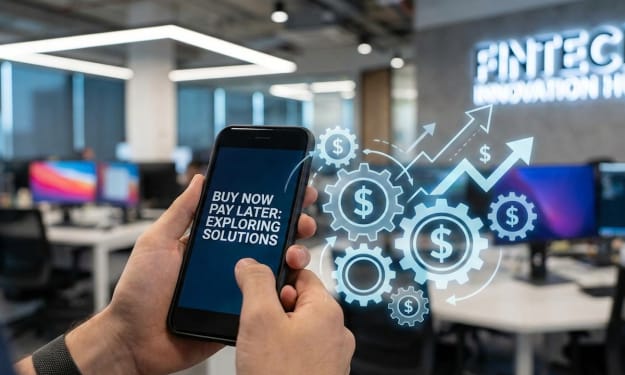
Exploring the FinTech Innovation Behind Buy Now Pay Later Solutions
Introduction In recent years, Buy Now Pay Later (BNPL) solutions have emerged as one of the most influential innovations in the FinTech ecosystem. By allowing users to split payments into manageable installments, BNPL platforms have changed how consumers interact with digital commerce. What appears simple on the surface is actually powered by a sophisticated mix of financial logic, modern software architecture, and advanced data technologies. Understanding the innovation behind BNPL solutions offers insight into why they have gained rapid global adoption and how they continue to evolve.
By Nayel Basim Al Shehhi4 days ago in 01
The Path to Salvation
The late autumn evening air filled the monk's lungs, but it wasn't the season that chilled his bones. The heavy-handed presence of evil he had sensed upon entering the woods surrounding this mountain village had not bothered to conceal itself from him.
By Made in DNA5 days ago in Fiction



Comments
There are no comments for this story
Be the first to respond and start the conversation.