
How Technology Is Shaping Modern Dating Applications
Understanding the Technologies Driving Secure and Scalable Dating Platforms


Introduction
Dating applications have transformed how people connect and build relationships in the digital age. What started as simple profile-based platforms has evolved into sophisticated systems powered by advanced technology. Modern dating apps now focus on user experience, security, personalization, and scalability to meet growing user expectations.
This blog explores how technology is shaping modern dating applications and the key innovations driving their evolution.
Evolution of Dating Applications
Early dating platforms were limited to basic profile creation and messaging features. Over time, user demand for better matching, safety, and seamless interaction pushed developers to adopt more advanced technologies.
Today’s dating apps integrate real-time communication, intelligent recommendations, secure systems, and cross-platform compatibility, making digital dating more interactive and reliable.
Role of Technology in Modern Dating Apps
Technology plays a central role in enabling dating apps to:
- Handle millions of users simultaneously
- Deliver personalized matches
- Ensure user safety and data privacy
- Provide smooth, real-time communication
Without modern technological frameworks, dating apps would struggle to scale or maintain trust among users.
Core Technologies Used in Dating Applications
Mobile Application Development
Most dating platforms are mobile-first. Modern mobile development technologies ensure fast performance, smooth navigation, and compatibility across different devices and operating systems. Responsive design enhances usability and user engagement.
Backend Architecture
The backend manages user profiles, preferences, messages, and match logic. Scalable backend architectures help dating apps remain stable during peak usage hours. Modular system design also makes it easier to introduce new features without disrupting existing functionality.
Cloud Computing
Cloud technology enables dating apps to scale resources dynamically. As user activity increases, cloud infrastructure adjusts automatically, ensuring uninterrupted service. It also supports data backup, high availability, and global accessibility.
Personalization and Matching Technologies
Data-Driven Matching
Modern dating apps rely on data analysis to understand user behavior, preferences, and interactions. This data helps improve match relevance and user satisfaction.
Artificial Intelligence and Machine Learning
AI and machine learning technologies analyze patterns to suggest better matches, reduce fake profiles, and improve user recommendations. These technologies continuously learn from user interactions to enhance accuracy over time.
Real-Time Communication Technologies
Instant Messaging
Real-time messaging technologies allow users to communicate instantly once a match is made. This creates a seamless and engaging experience.
Push Notifications
Push notification systems keep users informed about new matches, messages, and activity, increasing engagement and retention.
Security and Privacy Technologies in Dating Apps
Security is one of the most critical aspects of dating app development.
User Authentication
Secure authentication methods help protect user accounts. These include multi-factor authentication and secure login systems.
Data Encryption
Encryption ensures that personal data, messages, and media are protected during storage and transmission. This reduces the risk of data breaches and unauthorized access.
Privacy Controls
Modern dating apps provide users with privacy settings that allow control over profile visibility, messaging permissions, and personal information sharing.
Content Moderation and Safety Technologies
Dating platforms must maintain a safe environment for users.
Profile Verification
Technology supports identity verification and profile authenticity checks, reducing fake or misleading accounts.
Automated Moderation Tools
Automated systems help detect inappropriate content, spam, or abusive behavior. These tools assist in maintaining community standards.
Analytics and Performance Monitoring
Analytics technologies help dating app developers understand how users interact with the platform.
User Engagement Analytics
Tracking features such as matches, messages, and session time helps improve app functionality and user experience.
System Performance Monitoring
Monitoring tools identify technical issues, server overloads, or security threats in real time, ensuring platform reliability.
Challenges in Dating App Development
Despite advanced technology, dating app development faces several challenges:
- Ensuring user privacy and data protection
- Preventing fake profiles and fraud
- Scaling systems for growing user bases
- Balancing personalization with ethical data use
Continuous technological upgrades and monitoring are essential to address these challenges.
Future Technologies in Dating Applications
The future of dating apps will be shaped by emerging technologies.
Advanced AI Systems
AI will further enhance compatibility analysis, conversation suggestions, and user safety.
Improved Privacy Technologies
Future platforms will focus more on privacy-first designs, giving users greater control over their data.
Cross-Platform Integration
Dating apps will continue to optimize experiences across mobile, web, and wearable devices.
Conclusion
Technology has fundamentally reshaped modern dating applications. From intelligent matching systems and real-time communication to secure infrastructure and scalable cloud solutions, every aspect of dating app development is driven by innovation.
As user expectations evolve, technology will remain at the heart of building safe, engaging, and scalable dating platforms, shaping the future of digital connections.
About the Creator
Nayel Basim Al Shehhi
I am James Wood a Contest Writer works as a freelance content writer.
Keep reading
More stories from Nayel Basim Al Shehhi and writers in 01 and other communities.
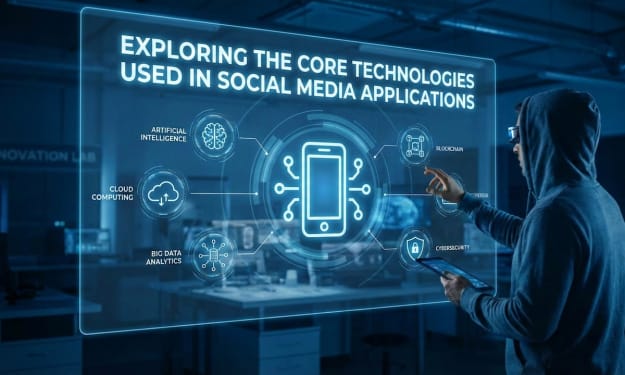
Exploring the Core Technologies Used in Social Media Applications
Introduction Social media applications have become an integral part of modern digital life. From sharing updates and media to real-time communication and content discovery, these platforms handle massive volumes of data and user interactions every second. Behind the smooth user experience of social media apps lies a strong technology foundation focused on performance, scalability, security, and real-time processing.
By Nayel Basim Al Shehhi14 days ago in 01
Italian Brainrot: Gen Alpha
If you walk through a bustling piazza in Milan or stand near a school gate in Rome during the afternoon rush, you might hear a conversation that feels like a glitch in the linguistic matrix. You’ll see a group of twelve-year-olds, dressed in matching tech-fleece tracksuits, shouting about "Skibidi," debating who has the most "Aura," and accusing each other of being from "Ohio." To anyone born before the year 2010, this sounds like a collective mental breakdown. But to the architects of this new reality—Generation Alpha—it is the only language that makes sense.
By Teodor Monescu2 days ago in 01


Comments
There are no comments for this story
Be the first to respond and start the conversation.