
How Technology Is Changing the Workplace Forever
Key Innovations Reshaping Productivity, Collaboration, and Workforce Skills

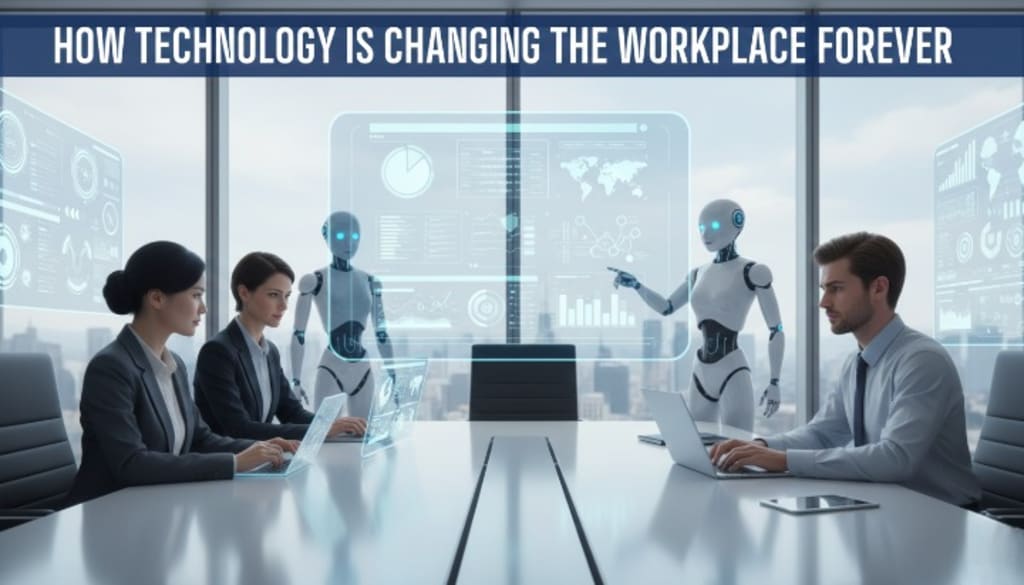
Introduction: The Permanent Shift in the Modern Workplace
The workplace is undergoing a fundamental transformation driven by rapid technological advancement. What began as a gradual adoption of digital tools has evolved into a permanent shift in how organizations operate, communicate, and grow. Technology is no longer a support function; it is the backbone of modern work environments. From remote collaboration to artificial intelligence, businesses across industries are redefining productivity, efficiency, and employee experience.
This transformation is not temporary. The integration of technology into daily operations has permanently altered workplace expectations, structures, and skill requirements. Organizations that adapt thrive, while those that resist risk becoming obsolete.
The Evolution of Workplace Technology
From Manual Processes to Automation
In the past, workplaces relied heavily on manual processes, paperwork, and face-to-face coordination. Tasks such as record-keeping, payroll, and customer management were time-consuming and prone to human error. Today, automation and digital systems handle these processes with speed and accuracy, freeing employees to focus on strategic and creative work.
Automation has reduced operational costs, improved consistency, and enabled organizations to scale more efficiently. Software solutions now manage workflows, approvals, and reporting with minimal human intervention.
Key Milestones in Digital Workplace Transformation
Major milestones such as the adoption of cloud computing, enterprise software, and mobile technology have reshaped work environments. The shift from on-premise systems to cloud-based platforms has enabled real-time access to data and applications from anywhere. This evolution laid the foundation for remote work, global collaboration, and agile business operations.
Remote and Hybrid Work Models
The Rise of Work-From-Anywhere Culture
Remote work has transitioned from a perk to a standard operating model. Advances in connectivity, cloud platforms, and collaboration tools have made it possible for employees to work effectively from virtually any location. Organizations are no longer limited by geography when hiring talent, expanding their access to a global workforce.
Tools Powering Remote Collaboration
Video conferencing, project management platforms, and shared digital workspaces have replaced physical meeting rooms and office whiteboards. These tools allow teams to communicate, track progress, and collaborate in real time, regardless of location.
Benefits and Challenges of Hybrid Work
Hybrid work models combine in-office and remote work, offering flexibility and improved work-life balance. However, they also introduce challenges such as maintaining team cohesion, managing performance, and ensuring equal access to opportunities. Technology plays a critical role in addressing these challenges through transparent communication and performance tracking systems.
Artificial Intelligence and Automation at Work
AI in Decision-Making and Operations
Artificial intelligence is transforming how decisions are made in the workplace. AI-powered systems analyze large volumes of data to provide insights, forecasts, and recommendations. This enables leaders to make informed decisions faster and with greater accuracy.
Automation of Repetitive and Administrative Tasks
Routine tasks such as data entry, scheduling, and customer support are increasingly automated through AI-driven tools and chatbots. This reduces workload, minimizes errors, and allows employees to focus on high-value responsibilities.
Impact on Job Roles and Workforce Structure
While automation raises concerns about job displacement, it also creates new roles and opportunities. Jobs are evolving to emphasize problem-solving, creativity, and technical skills. Organizations are restructuring teams to integrate human expertise with intelligent systems.
Digital Collaboration and Communication Tools
Cloud-Based Platforms and Virtual Workspaces
Cloud-based tools provide centralized access to documents, applications, and communication channels. Virtual workspaces enable seamless collaboration, version control, and knowledge sharing across departments.
Real-Time Communication and Productivity Tools
Instant messaging, video calls, and collaborative editing tools have replaced lengthy email chains. These solutions enhance responsiveness, reduce delays, and improve overall productivity.
Improving Team Alignment Across Locations
Technology ensures alignment by providing visibility into goals, tasks, and performance metrics. Teams can stay connected and informed, even when working across different time zones.
Data-Driven Workplaces and Smart Decision-Making
Role of Big Data and Analytics
Data has become a strategic asset in modern workplaces. Organizations collect and analyze data to understand performance, customer behavior, and operational efficiency. Analytics tools turn raw data into actionable insights.
Performance Tracking and Workforce Insights
Digital dashboards and performance management systems provide real-time insights into employee productivity and engagement. Managers can identify trends, address issues proactively, and support continuous improvement.
Predictive Analytics in Business Strategy
Predictive analytics helps organizations anticipate future trends, risks, and opportunities. By leveraging historical data, businesses can make proactive decisions that drive long-term success.
Cybersecurity and Data Privacy in the Workplace
Growing Security Risks in Digital Environments
As workplaces become more digital, cybersecurity risks increase. Remote work, cloud systems, and connected devices create new vulnerabilities that cybercriminal can exploit.
Protecting Employee and Business Data
Organizations must implement robust security measures, including encryption, multi-factor authentication, and access controls. Employee training is equally important to prevent phishing attacks and data breaches.
Best Practices for Workplace Cybersecurity
Regular system updates, security audits, and clear data protection policies are essential. A proactive approach to cybersecurity safeguards business continuity and builds trust among employees and clients.
Employee Experience and Workplace Well-Being
Technology’s Role in Enhancing Work-Life Balance
Flexible schedules, remote work tools, and automation contribute to better work-life balance. Employees can manage their time more effectively and reduce stress associated with commuting and rigid schedules.
Digital Tools for Employee Engagement
Employee engagement platforms, feedback tools, and recognition systems foster connection and motivation. Technology enables continuous communication and supports a positive workplace culture.
Mental Health and Wellness Technologies
Organizations are adopting wellness apps, virtual counseling, and mental health resources to support employee well-being. These tools reflect a growing recognition of mental health as a critical component of workplace success.
Upskilling, Reskilling, and the Future Workforce
Demand for Digital Skills and Lifelong Learning
As technology evolves, the demand for digital skills continues to grow. Employees must engage in continuous learning to remain relevant and competitive in the workforce.
Online Learning and Corporate Training Platforms
E-learning platforms and virtual training programs provide flexible and cost-effective ways to upskill employees. Personalized learning paths help individuals develop skills aligned with organizational goals.
Preparing Employees for Future Roles
Organizations that invest in reskilling initiatives are better positioned for the future. A skilled and adaptable workforce ensures long-term resilience and innovation.
Leadership and Management in a Tech-Driven Workplace
Digital Leadership and Change Management
Leaders must embrace technology and guide their teams through change. Digital leadership involves fostering innovation, encouraging adoption, and managing transformation effectively.
Managing Distributed Teams Effectively
Technology enables leaders to manage remote and hybrid teams through clear communication, performance tracking, and regular feedback. Trust and transparency are essential in distributed work environments.
Building a Culture of Innovation
A tech-driven workplace thrives on experimentation and continuous improvement. Leaders play a key role in creating an environment where innovation is encouraged and rewarded.
Challenges and Ethical Considerations
Technology Adoption Barriers
Resistance to change, lack of skills, and budget constraints can hinder technology adoption. Organizations must address these barriers through training, communication, and strategic planning.
Ethical Use of AI and Employee Monitoring
The use of AI and monitoring tools raises ethical concerns related to privacy and fairness. Clear policies and responsible use of technology are essential to maintain trust.
Balancing Innovation with Human Values
Technology should enhance, not replace, human capabilities. Successful organizations strike a balance between innovation and empathy, ensuring that people remain at the center of the workplace.
Future Trends Shaping the Workplace
Emerging Technologies to Watch
Technologies such as artificial intelligence, augmented reality, blockchain, and advanced automation will continue to reshape work environments. These innovations promise greater efficiency and new ways of working.
Predictions for the Next Decade of Work
The future workplace will be more flexible, data-driven, and employee-centric. Organizations that embrace technological change and invest in people will lead the next era of work.
Conclusion: Adapting to a Technology-First Workplace
Technology is changing the workplace forever, redefining how work is performed, managed, and experienced. This transformation presents both opportunities and challenges, requiring organizations to adapt strategically and responsibly.
By embracing digital tools, investing in skills development, and prioritizing employee well-being, businesses can thrive in a technology-first workplace. The future of work belongs to organizations that view technology not as a disruption, but as a catalyst for sustainable growth and innovation.
About the Creator
Muhammad Irfan Afzal
I write clear, practical, engaging articles on technology, online safety, and modern digital life. My goal is to help readers understand complex. My aim to provide value, awareness, and real-world solutions for everyday digital challenges.
Keep reading
More stories from Muhammad Irfan Afzal and writers in 01 and other communities.
Why Technology Adoption Is Essential for Business Growth
Introduction: Why Technology Drives Modern Business Success In today’s hypercompetitive environment, technology has become more than an operational add-on—it is a fundamental driver of business performance. Companies that strategically adopt modern technologies experience accelerated growth, improved efficiency, and stronger customer relationships. Conversely, organizations that delay digital transformation often face declining market relevance and slower innovation cycles.
By Muhammad Irfan Afzalabout a month ago in 01
How AI-Powered Video Content Is Redefining Travel App Development In 2026
The travel industry has always been driven by inspiration, discovery, and experience. In recent years, video content has become one of the most powerful tools for influencing travel decisions. As we move into 2026, AI-powered video content is transforming how travel apps are designed, developed, and experienced. By combining artificial intelligence with immersive video, travel apps are becoming smarter, more personalized, and more engaging than ever before.
By shane cornerus4 days ago in 01
How Abdul Samad Rabiu Is Redefining Corporate Social Responsibility In Africa
SYLVESTER ENOGHASE, takes a look at Abdul Samad Rabiu’s transformation from lowprofile industrialist to Africa’s most far-reaching industrialist and philanthropist. Beyond BUA Group trusted name in Africa’s food sector, manufacturing and, infrastructure conglomerate with diversified investments in Nigeria, lies a deliberate strategy: ASR Africa $100 million initiative to provide sustainable, impact-based homegrown solutions to developmental issues affecting health, education and social development within Africa. The initiative unpacks the thinking, the stakes, and the implications of Rabiu’s growing influence, asking whether this blend of industrial power and structured philanthropy signals a new model of African leadership or simply the next phase of social corporate legacy-building.
By Dena Falken Esq5 days ago in 01




Comments
There are no comments for this story
Be the first to respond and start the conversation.