
How Singapore got so crazy rich
Singapore's Rise: From Colonial Trading Post to Global Financial Powerhouse

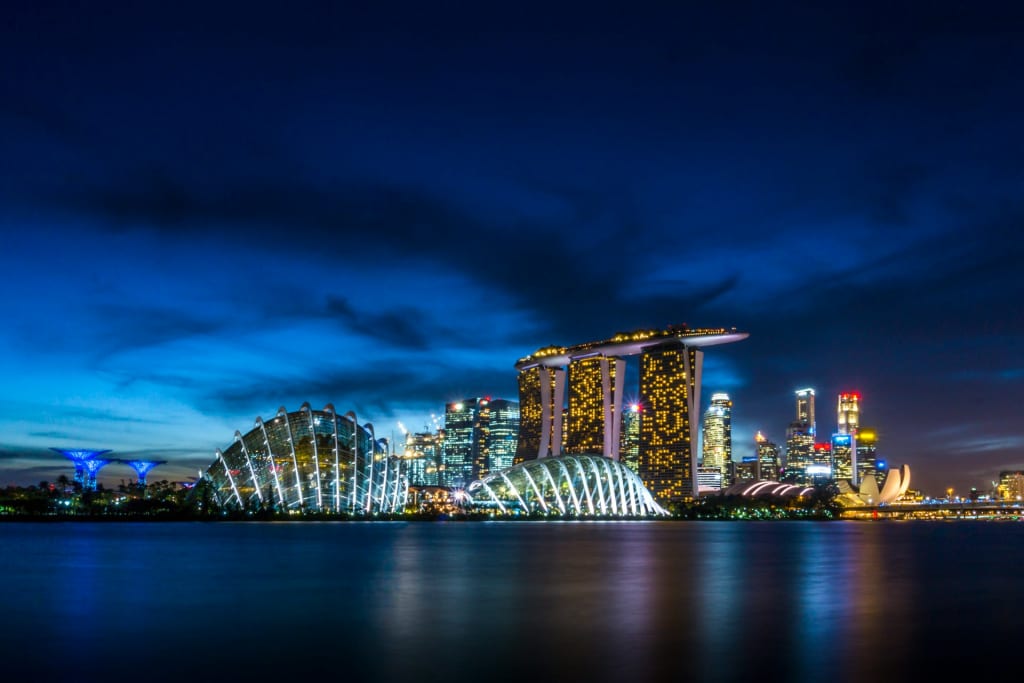
This tiny island nation is smaller than New York City, yet it stands as Asia's wealthiest country and among the richest globally. Its GDP per capita surpasses even that of the UK, US, and France. In just six decades, Singapore transformed from a colonial trading port into a bustling financial center, admired around the world. It serves as a model for nations eager to build a robust, high-tech economy. This wealth is the outcome of careful planning by a governing party that has held power since independence.
But what’s the secret behind Singapore’s success? As leadership changes for the first time in 20 years, can the country keep thriving? When Singapore gained independence in 1965, its first prime minister, Lee Kuan Yew, faced a daunting challenge—no natural resources. To foster an export-driven economy, he knew a strong manufacturing base was essential. Luckily, Singapore's strategic location near the Strait of Malacca and major shipping routes provided an advantage to the nation.
Initially, Lee focused on labor-intensive industries to tackle high unemployment. But his vision for manufacturing was just a stepping stone. He established a strong financial and legal system, a clean government, and an efficient public transport network. In the 1980s, Lee pivoted towards finance, inspired by the US and UK. He implemented lighter regulatory measures. This foresight attracted many multinational companies; today, 4,200 have regional headquarters in Singapore. The corporate tax rate is appealing too—only 17%, with even lower rates for some sectors.
Lee's successor, Goh Chok Tong, continued to foster big business, leading to a shift towards a knowledge-based economy that encourages creativity and homegrown entrepreneurs. In 2004, Lee Hsien Loong, Lee Kuan Yew's son, took office. He recognized the need to make Singapore an attractive place to live and work. A significant land reclamation project began in the 1970s, transforming the landscape into a mix of offices, apartments, and entertainment hubs. The introduction of the F1 night race and integrated resorts, including casinos, capitalized on the booming Chinese and Indian economies. Suddenly, Singapore became a magnet for ultra-wealthy individuals seeking entertainment and investment opportunities. The outcome? The total assets under management skyrocketed from $420 billion to an astounding $3.6 trillion by 2022.
Yet, this economic prowess comes with its share of critiques. Some argue that restrictions on civil liberties and media freedom undermine the nation's success. Lee Kuan Yew’s leadership often faced criticism for creating a climate of fear. It’s been tough for citizens to criticize the government. Even now, protests remain mostly illegal.
However, Singaporean society is changing. It’s more diverse and vocal than ever before. The nation must adapt to remain competitive as others follow its growth model. Climate change, global warming and natural disasters also loom as national security threats. Enter Lawrence Wong, the new prime minister. He grew up in public housing and earned respect for his handling of COVID-19. Wong aims to build on Singapore’s existing strengths, but challenges await.
The People's Action Party still leads, but its popularity is waning. Future politicking will be more intense than before. The wealth amassed has led to rising housing prices and living costs. While attracting foreign labor has fueled growth, citizens worry about job competition. Despite decreasing inequality, many residents feel left behind. A rapidly aging population adds more pressure to workforce and government resources which is yet another challenge which has to be tackled in present day scenario.
Wong's mission is clear: manage discontent and guide Singapore’s evolution into a tech hub, all while sustaining the city-state's hard-earned success. Exciting times lie ahead for Singapore!
About the Creator
Hasan
Fictional storyteller and a travel blogger.
🔋 Hydrogen Fuel: Powering the Future of Clean Energy
As the world searches for cleaner, more sustainable energy sources, hydrogen fuel has emerged as one of the most exciting contenders ⚡. Often described as the fuel of the future, hydrogen promises zero emissions at the point of use, high energy efficiency, and versatility across multiple industries. But what exactly is hydrogen fuel, how does it work, and can it truly replace fossil fuels? Let’s explore 🚀.
By Toader Adelin3 days ago in 01
House Cleaning Scopes That Keep Results Consistent
A clean home feels simple until you try to keep it that way during a busy month. Work deadlines, school schedules, pets, and visitors stack up. Dust returns faster than expected. Bathrooms show water spots. Kitchen grease builds around the stove. Many homeowners hire cleaning help, then feel unsure about what to request and how to judge quality.
By Jared Benning6 days ago in 01
A Dart at Dusk
Seconds ago, the sullen sun set on the two of us… my exuberant furry companion and me. A fresh breeze embraces us, delivering welcome relief from the day’s oppressive heat. His typical stumbling and staggering along — apace with a sloth — has turned into trip-trapping, high-stepping, almost skipping along.
By Angie the Archivist 📚🪶6 days ago in Petlife



Comments
There are no comments for this story
Be the first to respond and start the conversation.