
How Real-World Asset Tokenization is Transforming the Biotech Industry in 2025
Unlocking Liquidity, Democratizing Investment, and Driving Innovation in Biotech Through Tokenized Assets

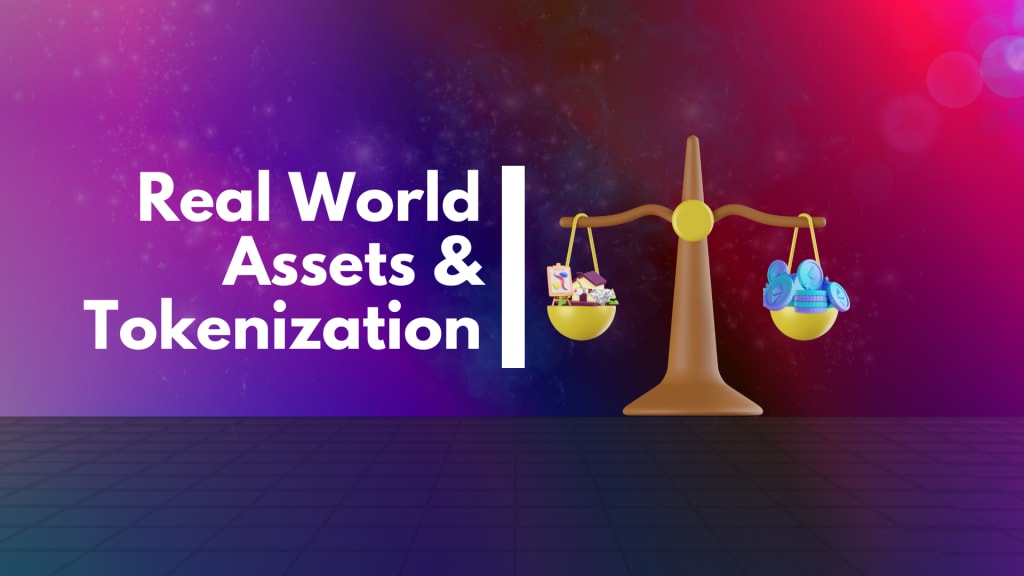
The biotech industry has long been a frontier of innovation, with breakthroughs in genomics, personalized medicine, and bioengineering shaping the future of healthcare. Yet, despite its immense potential, the sector faces persistent challenges namely, funding constraints, limited liquidity, and inefficient asset management. Enter real-world asset (RWA) tokenization, a groundbreaking approach that leverages blockchain technology to digitize tangible and intangible assets. By converting physical biotech assets, intellectual property, or future revenue streams into digital tokens, tokenization is opening new avenues for investment, transparency, and collaboration.
In 2025, the convergence of blockchain and biotech is more than a trend—it’s a transformative movement. From fractionalized ownership of expensive laboratory equipment to tokenized patents and clinical trial revenues, RWA tokenization is redefining how capital flows into biotech. This blog explores the key ways tokenization is reshaping the industry, its benefits and risks, real-world use cases, and what the future might hold for biotech innovators and investors alike.
Understanding Real-World Asset Tokenization
Real-world asset tokenization involves representing physical or revenue-generating assets on a blockchain as digital tokens. These tokens can be bought, sold, or traded, providing liquidity to assets that traditionally required significant capital and time to transact. In biotech, tokenization applies to a wide range of assets, including laboratory equipment, clinical trial data, drug patents, biomanufacturing facilities, and royalty streams.
Tokenization leverages smart contracts to automate ownership transfers and enforce predefined rules, reducing the need for intermediaries such as banks or brokers. Moreover, blockchain ensures immutability and transparency, enabling investors to verify the authenticity and ownership history of an asset. The combination of these features makes RWA tokenization particularly attractive to a highly regulated, high-cost industry like biotechnology, where capital efficiency and security are paramount.
The Challenges of Traditional Biotech Financing
The biotech sector is capital-intensive, requiring extensive funding for research, development, clinical trials, and regulatory approvals. Traditional financing methods, such as venture capital, private equity, or public offerings, come with significant limitations:
High Entry Barriers – Institutional investors often dominate biotech funding, leaving smaller investors unable to participate.
Illiquid Investments – Physical assets and patents are not easily tradable, limiting the ability to unlock value quickly.
Complex Regulatory Compliance – Navigating FDA or EMA regulations can be costly and time-consuming, slowing down the funding cycle.
Risk Concentration – High-risk projects can deter traditional investors, limiting access to capital for early-stage innovations.
RWA tokenization addresses these challenges by enabling fractional ownership, increasing liquidity, and opening biotech investments to a broader base of investors while maintaining regulatory compliance through blockchain-based transparency.
Fractional Ownership and Increased Accessibility
One of the most transformative aspects of RWA tokenization is fractional ownership. Expensive biotech assets, such as high-throughput sequencing machines or specialized lab facilities, can now be divided into digital tokens representing partial ownership.
Fractional ownership allows small and medium investors to participate in biotech ventures, democratizing access to high-value assets that were previously available only to wealthy or institutional investors. Additionally, tokenization can extend to revenue streams from drug royalties or licensing agreements, enabling investors to earn returns proportional to their holdings.
This democratization not only enhances capital inflow into the biotech sector but also promotes a more collaborative ecosystem, where multiple stakeholders can support groundbreaking research without the need for traditional financing channels.
Enhanced Liquidity in Biotech Assets
Liquidity has historically been a major obstacle in biotech investing. Physical assets, patents, and early-stage biotech companies often require long holding periods before realizing returns. Tokenization changes this dynamic by enabling the creation of a secondary market for biotech tokens.
Investors can trade tokenized assets on digital marketplaces, unlocking value and reducing capital lock-in. For biotech companies, increased liquidity means faster access to working capital, which can accelerate research timelines and improve the pace of innovation. Furthermore, a liquid token market attracts a broader investor base, fostering a more resilient and efficient biotech ecosystem.
Transparency and Traceability Through Blockchain
Blockchain technology, the backbone of RWA tokenization, provides unparalleled transparency and traceability. Each transaction involving tokenized biotech assets is recorded on an immutable ledger, creating a verifiable history of ownership and transfers.
For biotech companies, this transparency enhances trust with investors, regulatory authorities, and partners. Investors benefit from clear insights into asset performance, risk exposure, and compliance with industry regulations. Traceability is particularly important in biotech, where the provenance of assets, research data, and intellectual property must be verifiable to ensure legal and ethical compliance.
Reducing Barriers for Small and Medium Biotech Companies
RWA tokenization is especially advantageous for small and medium-sized biotech enterprises. Traditional fundraising methods often favor large, well-established firms, leaving smaller innovators struggling to secure capital. By tokenizing assets or future revenue streams, SMEs can attract a wider range of investors without relying solely on venture capital or private equity.
Moreover, tokenization simplifies cross-border investments. Investors from around the world can acquire biotech tokens with minimal friction, bypassing conventional banking intermediaries. This global reach increases funding opportunities for small biotech companies, accelerating the commercialization of innovative therapies and technologies.
Use Cases in Biotech Tokenization
Tokenized Laboratory Equipment
High-cost laboratory instruments can be tokenized and fractionalized, allowing multiple investors to co-own and finance the acquisition. This reduces capital burden on biotech startups and enables access to cutting-edge technology without a massive upfront investment.
Tokenized Drug Patents
Pharmaceutical patents can be converted into tradeable tokens, allowing investors to fund development in exchange for a share of future royalties. This creates a new asset class in biotech investment, connecting capital with innovation more efficiently.
Clinical Trial Financing
Tokenization of clinical trial revenue streams enables investors to fund trials and receive returns based on trial success. This decentralized approach can accelerate drug development and distribute risk across a larger investor pool.
Biomanufacturing and Supply Chain Assets
Biomanufacturing facilities, production equipment, or proprietary supply chain technologies can be tokenized, unlocking liquidity for capital-intensive operations. Investors gain fractional ownership in revenue-generating infrastructure, creating a new financial model for biotech manufacturing.
Regulatory and Compliance Considerations
Despite its advantages, RWA tokenization in biotech is subject to regulatory scrutiny. Blockchain does not replace compliance obligations; companies must still adhere to local and international laws regarding securities, intellectual property, and clinical research.
2025 has seen increasing clarity from regulatory authorities regarding digital asset compliance. Tokenized biotech assets often fall under security token regulations, requiring adherence to anti-money laundering (AML) and know-your-customer (KYC) protocols. Companies adopting tokenization must also ensure that smart contracts are designed to enforce regulatory requirements automatically, reducing the risk of non-compliance while streamlining operations.
Risks and Challenges in Biotech Tokenization
While RWA tokenization offers substantial benefits, it also comes with risks:
Market Volatility – Tokenized biotech assets may be subject to price fluctuations due to speculative trading.
Smart Contract Vulnerabilities – Coding errors or cyberattacks could compromise tokenized asset security.
Regulatory Uncertainty – Although regulations are evolving, cross-border differences can complicate compliance.
Investor Education – Token holders must understand the underlying biotech asset and associated risks, requiring robust education and disclosure frameworks.
Addressing these risks requires a combination of technical expertise, legal guidance, and investor engagement, ensuring that tokenization contributes to sustainable growth rather than speculative hype.
The Future of Biotech with Tokenization
Looking ahead, tokenization is expected to become an integral part of biotech financing. By 2025 and beyond, tokenized biotech assets may form the foundation of decentralized biotech investment funds, enabling global participation in life-saving innovations.
Artificial intelligence and blockchain integration could further enhance tokenized biotech ecosystems. AI could analyze tokenized asset performance, predict market trends, and optimize funding allocation, while blockchain ensures transparency and traceability. This synergy will accelerate research, improve investor confidence, and democratize access to biotech breakthroughs.
Conclusion
Real-world asset tokenization is revolutionizing the biotech industry by unlocking liquidity, democratizing access, and enhancing transparency. From fractional ownership of lab equipment to tokenized drug patents and clinical trial revenue, tokenization bridges the gap between innovative biotech ventures and global capital.
While regulatory challenges and market risks remain, the potential benefits are immense. In 2025, RWA tokenization is not just a financial innovation—it is a catalyst for accelerating scientific discovery, improving healthcare outcomes, and creating inclusive investment opportunities. As the biotech sector embraces this digital transformation, the intersection of blockchain and biotechnology promises to reshape the way the world funds, develops, and accesses cutting-edge therapies.
About the Creator
Jack santo
I am a Blockchain, Crypto, NFT, Metaverse, etc., enthusiast.
Keep reading
More stories from Jack santo and writers in 01 and other communities.
How to Use Twitter, Telegram, and Discord to Build Hype for Your DeFi Token?
The decentralized finance (DeFi) ecosystem is growing exponentially, and launching a DeFi token is no longer enough to guarantee success. To thrive in this competitive space, you need to generate awareness, create engagement, and build a loyal community around your token. Twitter, Telegram, and Discord have emerged as the most effective platforms for building hype and sustaining interest in your DeFi project. In this guide, we’ll explore actionable strategies to leverage these platforms for maximum impact.
By Jack santo4 months ago in 01
Personal Tax Accountants: A Practical Guide for Individuals in the UK
Personal Tax Accountants are no longer seen as a luxury reserved for high earners or business owners. Across the UK, more individuals are choosing professional tax support simply because the tax system has become harder to navigate alone. With frequent rule changes, stricter HMRC checks, and more people earning income in different ways, personal tax accountants offer clarity, reassurance, and practical help that many now consider essential rather than optional.
By Outsourced Bookkeeping Solutionsabout 16 hours ago in 01
Mexico Online Grocery Market Opportunity and Forecast 2025–2033
Introduction Mexico’s grocery retail landscape is undergoing one of the most significant transformations in its history. What was once dominated by neighborhood tiendas, supermarkets, and open markets is now being reshaped by smartphones, digital platforms, and fast-evolving logistics networks. Online grocery shopping—once considered a niche convenience—is quickly becoming an essential channel for millions of Mexican consumers.
By Aaina Oberoiabout 2 hours ago in 01
Center Stage with Paul Stewart
*** I'm keen to republish the interviews I did for my series with Vocal creators. It's been a few years and I thought it might be nice to revisit these wonderful conversations. I'll be releasing them one at a time for a few weeks/months.
By Heather Hublera day ago in Interview



Comments
There are no comments for this story
Be the first to respond and start the conversation.