
How Ready Mix Concrete Batch Plants Support Green Building Certification Requirements
How modern ready mix concrete batch plants drive sustainability and help construction projects achieve green building certifications

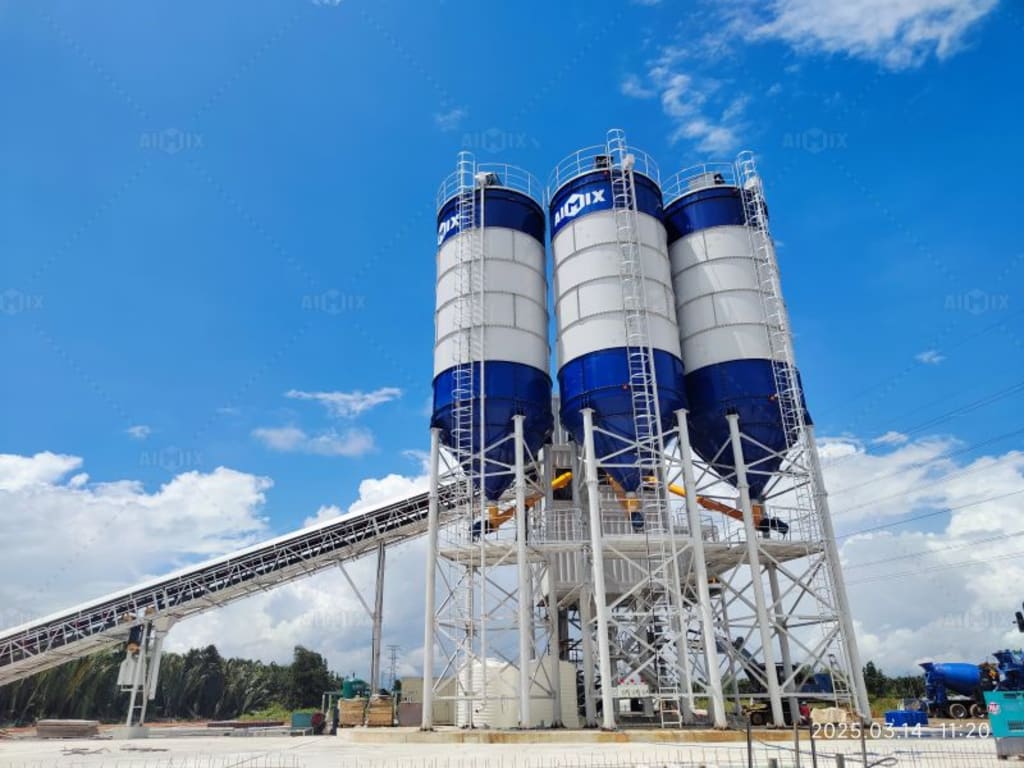
As the global construction industry increasingly embraces sustainability, green building certifications such as LEED, BREEAM, and others have become key drivers for eco-friendly practices. One critical element contributing to these certifications is the use of environmentally responsible materials and production methods—specifically, the role of ready mix concrete batch plants in reducing environmental impact.
In countries like Bangladesh, where rapid urbanization demands sustainable infrastructure development, investing in a modern ready mix concrete plant in Bangladesh is not only a smart business move but also a responsible environmental choice. Moreover, the growing RMC plant business worldwide is evolving to meet the stringent criteria of green building standards.
This article explores how ready mix concrete batch plants support green building certification requirements and why sustainable RMC plants are vital for the future of construction.

Understanding Green Building Certifications and Their Concrete Requirements
Green building certifications provide frameworks for assessing the sustainability of buildings. They focus on resource efficiency, reduced emissions, and improved occupant health. Common certifications include:
LEED (Leadership in Energy and Environmental Design)
BREEAM (Building Research Establishment Environmental Assessment Method)
WELL Building Standard
These certifications evaluate materials, energy use, waste management, and site impact. Concrete, being one of the most widely used building materials, has a significant environmental footprint. Therefore, concrete producers and construction firms are urged to adopt greener production technologies.
The Environmental Impact of Concrete Production
Concrete production traditionally involves large volumes of cement, aggregates, water, and energy, resulting in:
High CO2 emissions due to cement manufacturing
Significant water consumption
Generation of dust and waste materials
Consumption of non-renewable aggregates
Ready mix concrete batch plants offer opportunities to mitigate these environmental impacts through better control, efficiency, and incorporation of eco-friendly additives.
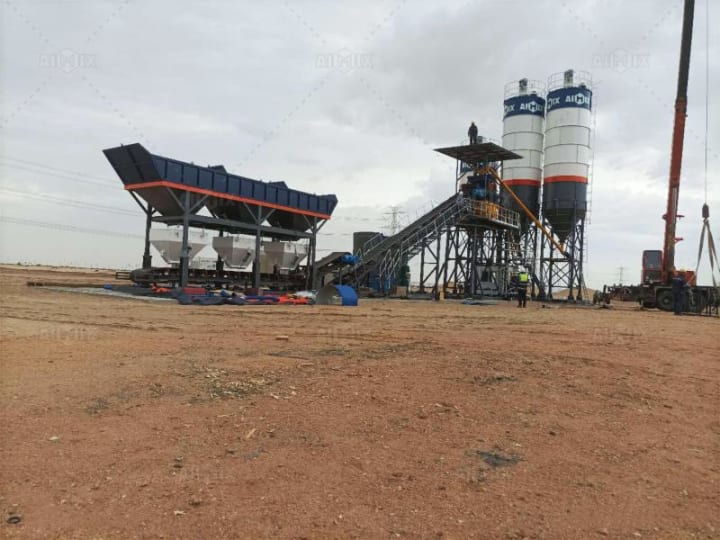
How Ready Mix Concrete Batch Plants Support Sustainability
1. Precise Material Measurement and Mixing
Modern ready mix concrete plants use computerized control systems to measure and mix raw materials accurately. This precision results in:
Reduced material wastage—avoiding overuse of cement and aggregates
Consistent mix quality—leading to stronger concrete with less rework and demolition waste
By optimizing raw material usage, plants help reduce environmental damage and improve the sustainability score for projects seeking certification.
2. Use of Supplementary Cementitious Materials (SCMs)
SCMs like fly ash, slag, and silica fume can partially replace cement in concrete mixes, lowering carbon emissions. Ready mix concrete plants are equipped to blend SCMs efficiently, enabling:
Reduced carbon footprint of the concrete
Enhanced durability and longevity of structures, minimizing repair frequency
This is a key factor in many green certifications, which reward the use of low-carbon materials.
3. Water Recycling and Management
Water scarcity is a global concern, especially in developing countries like Bangladesh. Many advanced ready mix concrete plants in Bangladesh now include water recycling systems that:
Reuse wash water from mixer trucks and batching operations
Reduce freshwater consumption significantly
Lower water usage aligns with green building standards and improves the environmental profile of the RMC plant business.
4. Dust and Emission Control Technologies
Dust from cement and aggregates can harm air quality and worker health. Modern plants implement:
Bag filters and dust collectors to capture particulate matter
Enclosed conveyors to reduce dust dispersion
Efficient electric motors and equipment to lower energy consumption
These measures contribute to safer sites and better compliance with environmental regulations, improving certification prospects.
5. Energy Efficiency and Renewable Integration
Many RMC plants invest in energy-efficient equipment such as variable frequency drives (VFDs), LED lighting, and energy management systems. Some facilities also integrate:
Solar panels or other renewable energy sources
Heat recovery systems
This reduces the plant’s carbon footprint, a crucial metric in green building certification.
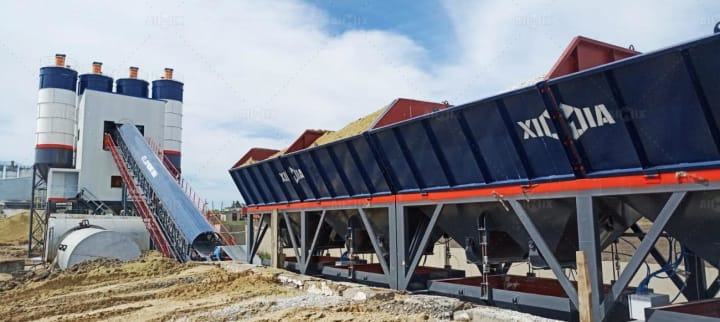
Ready Mix Concrete Plant in Bangladesh: A Growing Sustainable Industry
Bangladesh’s construction sector is rapidly growing, driven by urbanization and infrastructure development. Sustainable construction is becoming a priority, creating strong demand for eco-friendly RMC solutions.
Leading ready mix concrete plants in Bangladesh now focus on:
Automated batching systems for precision and efficiency
Incorporation of SCMs and recycled aggregates
Water recycling and dust control technologies
Compliance with local environmental regulations
This evolution not only helps projects achieve green certifications but also strengthens the business case for sustainable RMC production. The environmental and economic benefits improve profitability and market reputation.
The Role of the RMC Plant Business in Sustainable Development
The RMC plant business worldwide is adapting to sustainability challenges by offering innovative solutions such as:
Mobile and modular plants designed for minimal site impact
Closed-loop water systems
Integration with Building Information Modeling (BIM) for optimized mix design
Offering carbon-neutral or low-carbon concrete mixes
Business operators who prioritize sustainability gain competitive advantages by meeting the growing demand from green-certified projects, government contracts, and environmentally conscious clients.
Key Benefits of Sustainable Ready Mix Concrete Batch Plants
Benefit Explanation
Reduced Environmental Impact Lower emissions, water use, and waste through technology and better processes
Improved Concrete Quality Consistent and durable mixes reduce lifecycle costs and resource use
Regulatory Compliance Easier adherence to local and international environmental standards
Market Differentiation Meeting green building criteria attracts premium projects and clients
Cost Efficiency Less waste, energy savings, and water recycling reduce operational costs

Conclusion
Ready mix concrete batch plants play an essential role in supporting green building certification requirements by enabling precise, efficient, and environmentally friendly concrete production. For countries like Bangladesh, where sustainable urban development is crucial, investing in modern ready mix concrete plants is both an ecological necessity and a profitable business strategy.
As the rmc plant business grows, embracing green technology and best practices will become the norm, contributing to healthier cities, lower carbon footprints, and stronger, longer-lasting infrastructure.
By aligning concrete production with sustainability goals, the industry can build a better future—one batch at a time.
About the Creator
consrtuctionmachines
AIMIX is a customer-center-oriented heavy equipment manufacturer and supplier, devoted to production, innovation, combination, one-stop solution, etc.
https://aimixgroup.com/
Keep reading
More stories from consrtuctionmachines and writers in 01 and other communities.
Material Flexibility: Why the Right Concrete Batch Plant for Sale Matters
In today’s fast-paced construction industry, material flexibility is more than just a bonus—it’s a necessity. Whether you’re building highways, residential projects, or commercial infrastructure, using a wide range of aggregates, additives, and cement types is often required. That’s why selecting the right concrete batch plant for sale can significantly influence your project’s success. A plant’s ability to handle different materials directly affects efficiency, mix consistency, cost control, and environmental impact.
By consrtuctionmachines8 months ago in 01
Crypto Wallet App Development - 2026 Security Guide
The landscape of Crypto Wallet App Development has shifted. It moved from simple private key management to complex ecosystems. These ecosystems are multi-layered security environments. In 2026, the baseline for "secure" has been redefined. This change follows the growth of Account Abstraction (ERC-4337). It also follows the emergence of Post-Quantum Cryptography (PQC). PQC protects data against future quantum computer attacks. This guide provides a strategic framework for developers. It helps stakeholders navigate technical and regulatory requirements. Modern digital asset storage demands this high level of care.
By Del Rosario3 days ago in 01
Why Some Crypto Exchanges Launch Smoothly While Others Never Reach Market?
The crypto industry often frames exchange success as a technology race: better UI, faster matching engines, or more trading features. Yet history shows something different. Many technically strong exchanges fail, while simpler platforms grow rapidly. The difference is rarely code quality — it’s timing, execution readiness, and infrastructure alignment.
By Nia Higgins7 days ago in 01
The Piggy Project
I’ve had so many names in this life I lose track of which ones were ever really mine and which ones I wore because someone needed me to. Some were handed to me before I had words to refuse them, before I knew what they meant, before I knew I could say no. Most weren’t meant to hurt. That doesn’t mean they didn’t leave marks. Marks that told me who I belong to, who I am by way of who claims me, recognizes me in the good and bad, who walks beside me.
By Fatal Serendipityabout 22 hours ago in Confessions



Comments
There are no comments for this story
Be the first to respond and start the conversation.