
How Pilates Can Enhance Your Athletic Performance: Embrace the Healing with Pilates
How Pilates Can Enhance Your Athletic Performance: Embrace the Healing with Pilates

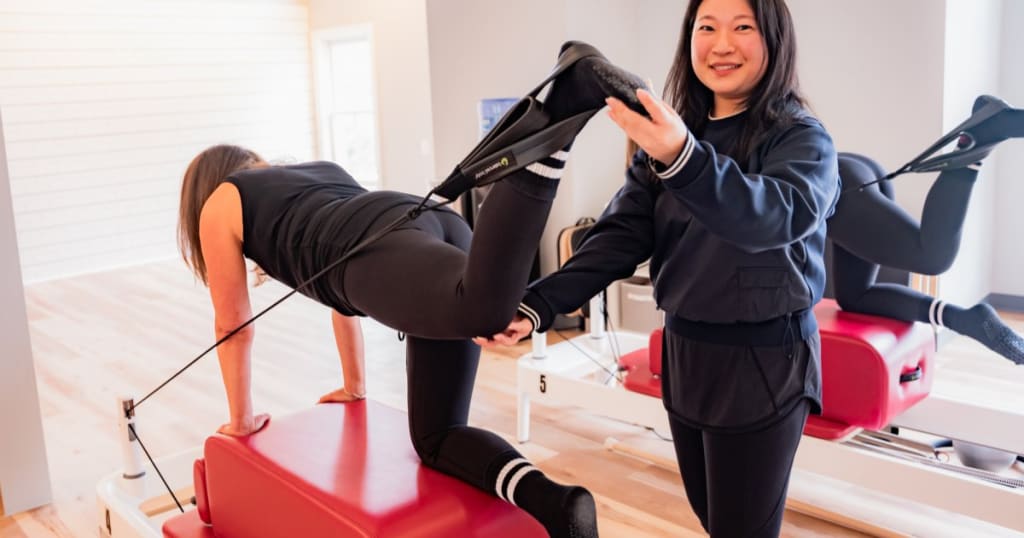
Athletes are constantly in pursuit of improving their performance, pushing their bodies to new limits while simultaneously seeking methods to prevent injury and accelerate recovery. In this quest for enhanced performance and injury prevention, many are turning to Pilates – a method of exercise that blends strength, flexibility, and control to target the core, stabilize the body, and promote overall well-being. Whether you're a seasoned professional or a weekend warrior, Pilates can play a pivotal role in optimizing athletic performance. This article explores how Pilates enhances athletic performance and promotes healing, shedding light on the benefits of incorporating Pilates into your fitness regimen.
An Introduction
Before delving into how Pilates can enhance athletic performance, it’s important to understand what Pilates is. Created by Joseph Pilates in the early 20th century, this exercise method focuses on strengthening the body’s core muscles, improving flexibility, and fostering control and coordination. Pilates is recognized for its low-impact, full-body movements that challenge the body to engage multiple muscle groups simultaneously, fostering strength and stability.
Pilates exercises are often performed on a mat or using specialized equipment such as the Reformer, Cadillac, or Wunda Chair. Through slow, deliberate movements combined with breathwork, Pilates helps develop a strong mind-body connection. For more information and to explore available classes.
How Pilates Supports Athletic Performance
1. Building Core Strength for Better Stability
The core is the foundation of athletic performance. It includes the muscles of the abdomen, lower back, pelvis, and hips – all of which provide stability and support for nearly every movement you make. Pilates is renowned for its focus on core strength, which enhances athletic performance in several ways.
Athletes who incorporate Pilates into their training see improved posture, greater body alignment, and enhanced overall stability. Whether you are running, cycling, swimming, or lifting weights, a strong core helps protect your spine, support your limbs, and maintain balance. In Pilates, exercises like the Plank, Teaser, and Roll Up specifically target the core muscles, building strength that translates directly into improved sports performance.
2. Improving Flexibility and Range of Motion
Flexibility is a critical component of athletic performance. Being able to move freely and efficiently enhances your agility, reduces the risk of injury, and improves overall movement patterns. Pilates exercises emphasize lengthening and stretching muscles, helping athletes increase flexibility in both the upper and lower body.
Pilates exercises such as the Saw, Spine Stretch, and Leg Circles are excellent for improving range of motion in the hips, shoulders, and spine. This increased flexibility allows athletes to perform dynamic movements with greater ease and less discomfort. Additionally, Pilates strengthens the muscles while stretching them, leading to improved posture and muscle balance, which is essential for preventing injuries.
3. Enhancing Posture and Alignment
Good posture is often an overlooked aspect of athletic performance, yet it plays a crucial role in efficiency and injury prevention. Pilates helps athletes improve posture by targeting the muscles that support spinal alignment. By focusing on controlled, precise movements, Pilates exercises train the body to maintain proper posture during physical activity.
Athletes with poor posture are more prone to muscle imbalances, fatigue, and overuse injuries. By incorporating Pilates into their training, athletes can counteract the effects of poor posture, reduce strain on the muscles, and avoid long-term discomfort. The Shoulder Bridge and Swimming exercises in Pilates promote spinal alignment and strengthen the back, improving overall posture.
The Healing Power of Pilates: Injury Prevention and Rehabilitation
Athletes push their bodies hard, often resulting in overuse injuries, tight muscles, or post-workout soreness. Pilates provides a method for both injury prevention and rehabilitation by focusing on mobility, controlled movement, and muscle activation.
4. Injury Prevention Through Balanced Strength
Pilates emphasizes balanced strength across all muscle groups, preventing the muscle imbalances that can lead to injury. Many sports require repetitive motions that stress certain muscle groups more than others, leading to weaknesses in areas like the core, hips, or shoulders. Pilates targets these muscle groups, creating a well-rounded strength that improves overall performance and reduces the likelihood of injury.
For example, in running, weak hip stabilizers can lead to issues like IT band syndrome or runner’s knee. Pilates exercises such as the Leg Pull Front and Side Leg Series focus on strengthening the hip and glute muscles, which helps to prevent these types of injuries.
5. Accelerating Recovery and Rehabilitation
For athletes dealing with an injury, Pilates can be a therapeutic tool for rehabilitation. The low-impact nature of Pilates makes it an ideal exercise method for those recovering from an injury or surgery, as it allows individuals to regain strength and mobility without putting undue stress on the body. Pilates can also improve the healing process by enhancing circulation, promoting flexibility, and strengthening the muscles surrounding the injured area.
Pilates exercises such as the Pelvic Curl and Cat-Cow Stretch can help alleviate tension, improve joint mobility, and strengthen the muscles needed for recovery. The mindful movements combined with breathing techniques also promote relaxation and reduce stress, further aiding in the healing process.
Pilates for Specific Sports: How It Enhances Performance
While Pilates is beneficial for athletes of all types, it can offer specialized advantages depending on the sport you engage in. Below are examples of how Pilates can benefit specific athletic pursuits:
6. Pilates for Runners
Runners often experience tight hips, lower back pain, and tight hamstrings, all of which can hinder performance and lead to injury. Pilates strengthens the core and improves flexibility in the hips and hamstrings, which can help prevent common running injuries. Key exercises include the Kneeling Hip Flexor Stretch and Single Leg Circles.
7. Pilates for Cyclists
Cycling requires a strong core, flexible hamstrings, and strong quads. Pilates can help cyclists improve posture, prevent lower back pain, and promote better cycling mechanics. The Spine Twist and Bridge with Leg Extension exercises focus on lengthening the muscles while maintaining strength in the legs and core.
8. Pilates for Swimmers
Swimmers benefit from Pilates' ability to improve shoulder flexibility and core strength. Pilates exercises such as Swimming and The Saw can help prevent shoulder injuries and improve stroke technique, allowing for more efficient and powerful movement in the water.
Integrating Pilates Into Your Training Routine
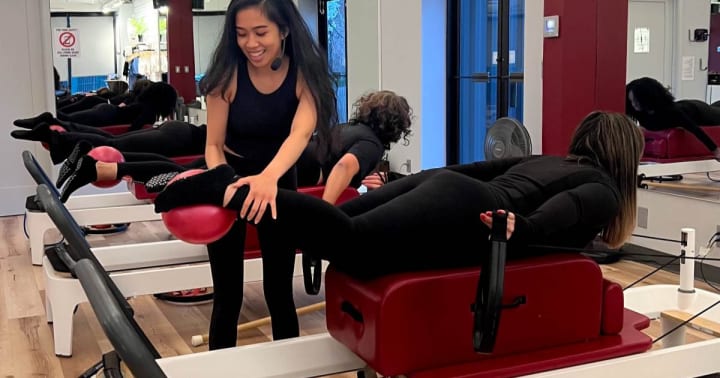
Now that we understand the benefits of Pilates for athletic performance, the next step is integrating it into your workout routine. Pilates can complement any training regimen, and athletes can benefit from practicing Pilates a few times a week. Whether you prefer mat Pilates or using equipment like the Reformer, consistent practice will yield the best results.
If you're new to Pilates, it’s helpful to start with a beginner class to learn the fundamental principles of the technique. If you're already familiar with Pilates, consider exploring more advanced exercises or variations to continue challenging your body.
For a comprehensive Pilates experience, check out the offerings at Powerhouse Pilates. They offer a variety of classes for athletes of all levels, including beginner and advanced options.
Consult with Your Doctor Before Exercising
It’s essential to consult with your doctor if you have any medical issues before starting a new exercise routine. Pilates can be incredibly beneficial, but like any physical activity, it’s important to ensure that it’s safe for your specific health needs. Always perform exercises within your comfort range and avoid pushing yourself beyond your physical limits.
Conclusion: Unlock Your Potential with Pilates
Pilates is more than just an exercise method; it's a holistic approach to building strength, flexibility, and body awareness. By incorporating Pilates into your fitness routine, you can enhance your athletic performance, reduce the risk of injury, and promote faster recovery. The benefits of Pilates go beyond aesthetics – they directly contribute to a more efficient, powerful, and balanced athletic body.
Whether you're striving to break your personal record or recover from an injury, Pilates can help you achieve your goals. Embrace the healing power of Pilates and unlock your full athletic potential.
About the Creator
Keep reading
More stories from Gourav Singh and writers in 01 and other communities.
How to Incorporate Pilates Stretching Exercises into Your Daily Routine
Pilates is more than just an exercise; it's a holistic approach to strengthening the body, improving flexibility, and promoting overall well-being. Stretching, a key component of Pilates, plays a significant role in enhancing flexibility, releasing tension, and aiding in muscle recovery. Incorporating Pilates stretching exercises into your daily routine can help you maintain mobility, improve posture, and reduce stress. In this article, we’ll explore how to seamlessly integrate Pilates stretches into your everyday life, giving you the tools to enhance your physical health and mental clarity.
By Gourav Singhabout a year ago in 01
A Transparent Look at Vocal Challenges and Top Stories
Almost three years ago, we shared a resource article that served as a place for people to suggest new challenge prompts. We thought it would be a good idea to refresh that thread, and take the opportunity to answer a few common questions about top stories, how challenges are judged and how submissions are reviewed.
By Vocal Curation Team3 days ago in Resources




Comments
There are no comments for this story
Be the first to respond and start the conversation.