
How Mini Concrete Plants Are Disrupting the Traditional Concrete Market
Why contractors are turning to mini and compact concrete batching plants for smarter, faster, and more flexible concrete production solutions.
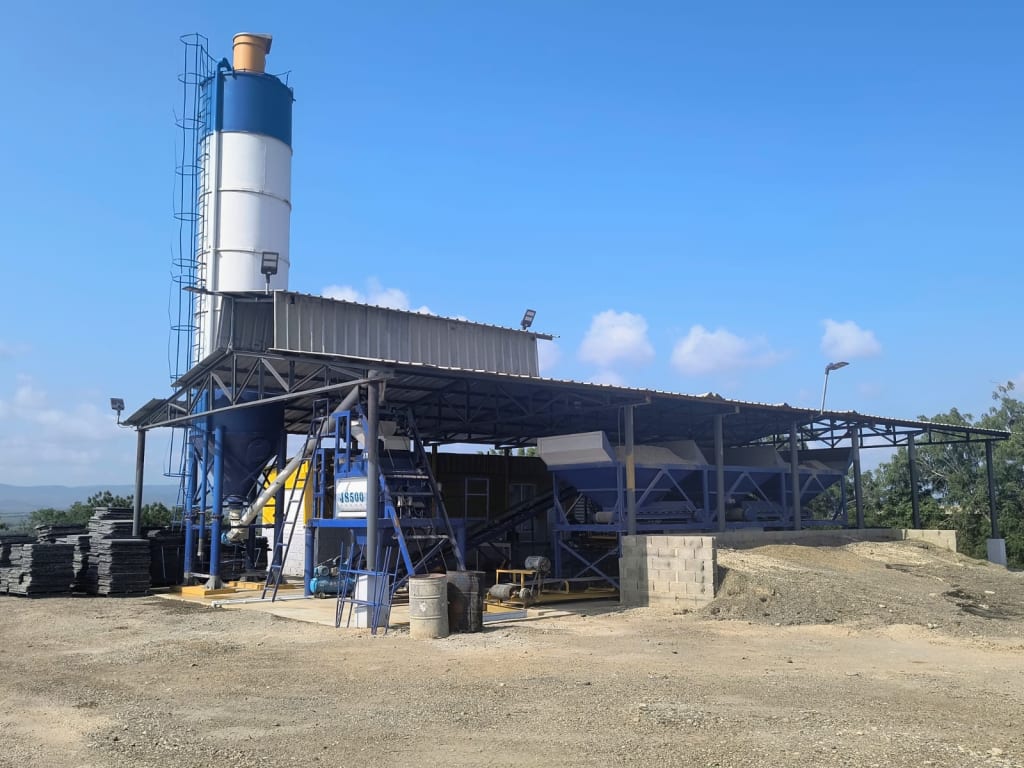
The global construction industry is rapidly evolving, and so is the demand for more agile, efficient, and cost-effective equipment. Among the major shifts we’re witnessing is the rising popularity of mini concrete plants, which are making a noticeable impact on the traditional concrete market. Once dominated by large stationary plants, the market is now embracing smaller, more mobile alternatives that offer surprising advantages in flexibility, cost, and performance.
In this article, we’ll explore how mini concrete plant — including compact concrete batching plants — are reshaping the industry landscape, and why more builders, contractors, and developers are making the switch.
What Is a Mini Concrete Plant?
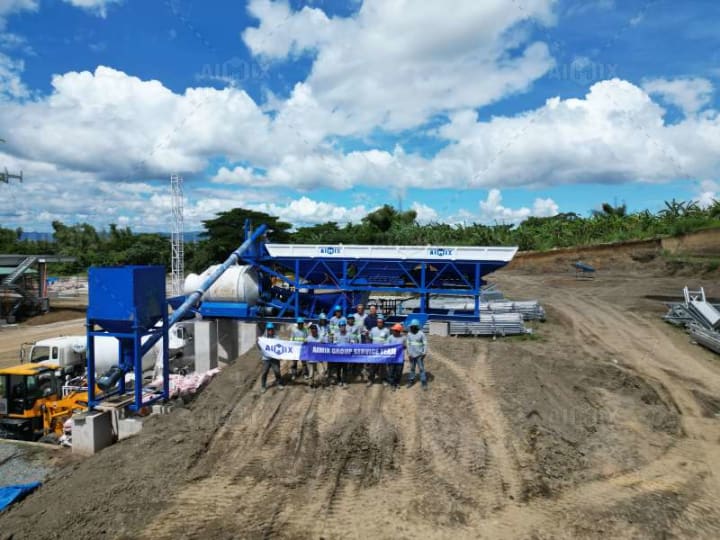
A mini concrete plant is a smaller-scale version of a traditional concrete batching plant. It’s designed to produce smaller batches of concrete but maintains the same level of precision and reliability. These plants are typically easier to transport, install, and operate, making them ideal for small to medium construction projects, remote locations, or urban areas with space constraints.
Mini plants can be either mobile or stationary, and they often fall under the broader category of compact concrete batching plants — designed for efficiency in limited space without compromising on output quality.
Disruption in Action: Why Mini Plants Are Gaining Ground
1. Cost-Effective for Small Projects
Traditional concrete batching plants are a significant investment, both in terms of equipment and setup. They are ideal for large-scale operations, but for smaller jobs or lower-volume production needs, they can be overkill. Mini concrete plants offer a much more affordable alternative. Lower initial costs, reduced maintenance expenses, and minimal site preparation make them highly attractive for small contractors or startups entering the concrete supply market.
2. High Mobility and Quick Installation
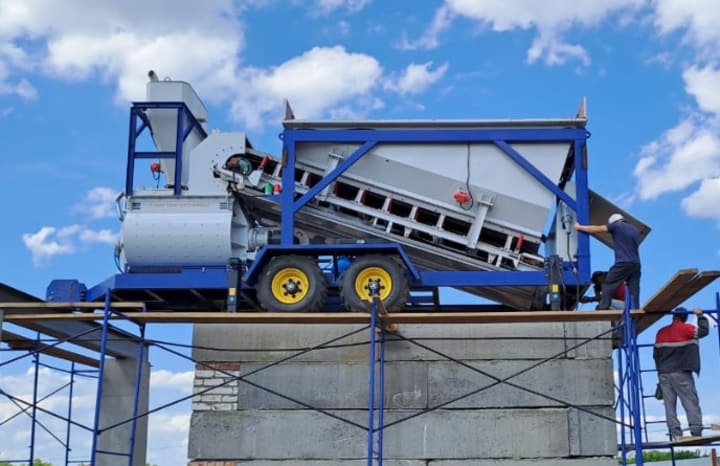
One of the major pain points with traditional batching plants is the time and effort needed for setup and commissioning. In contrast, mini concrete plants — especially the mobile and compact models — can be transported with ease and set up within a day or two. This fast mobilization is a game-changer for contractors working on multiple or temporary job sites, such as roadwork, housing developments, or municipal projects.
3. Reduced Footprint, Greater Efficiency
Urban construction is booming, but space is often limited. That’s where compact concrete batching plants shine. These mini plants are specifically designed to operate in tight spaces while maintaining high efficiency. They integrate smart layout design, modular construction, and advanced control systems to make the most of minimal area — a significant advantage in cities where real estate is expensive and space is tight.
4. Advanced Technology in a Small Package
Modern mini concrete plants come equipped with features that rival their larger counterparts. These include:
PLC-based control systems
Automated weighing and mixing
Real-time monitoring
Recipe management
This integration of smart features ensures that mini concrete plants deliver consistent quality and productivity — making them highly competitive in today’s market.
5. Eco-Friendly Operation
Sustainability is a growing concern in construction, and mini plants offer some notable environmental advantages. With optimized energy usage, smaller operational footprints, and efficient raw material handling, they contribute to reduced emissions and less construction waste. Many modern compact concrete batching plants are also designed to recycle wastewater and minimize dust emissions, aligning with green building practices.
The Market Shift: Who’s Buying Mini Concrete Plants?
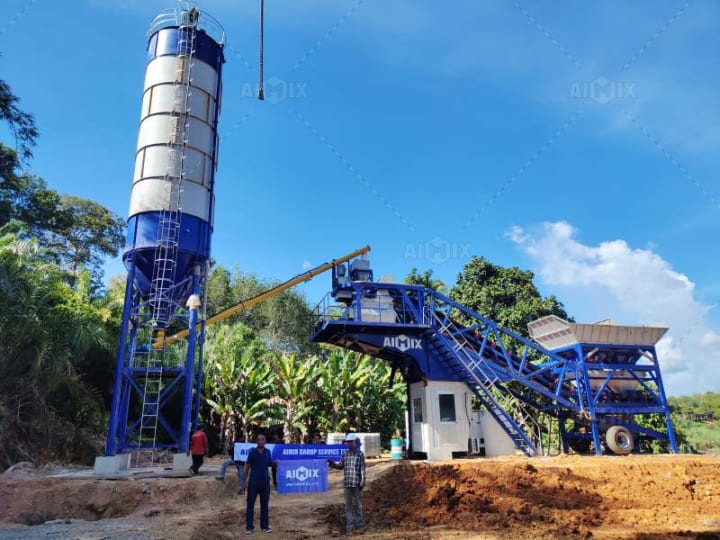
The growing adoption of mini concrete plants is not limited to just small contractors. Many mid-size and even large companies are incorporating them into their operations for specific use cases, such as:
Supplying concrete to remote or hard-to-reach areas
Launching satellite production sites
Supporting precast component manufacturing
Providing quick-response service for urgent repair jobs
Emerging markets in Asia, Africa, and Latin America are particularly receptive to mini and compact concrete batching plants, thanks to the combination of affordability and scalability they offer.
Comparing Mini vs. Traditional Concrete Plants
Feature Traditional Plant Mini/Compact Plant
Initial Cost High Low to Medium
Setup Time Weeks 1–3 Days
Mobility Low High
Space Requirement Large Compact
Ideal Use Large-scale production Small to medium projects
Customization High Moderate to High
As this comparison shows, mini concrete plants are not just an alternative — they’re a strategic tool for contractors looking to maximize ROI, improve logistics, and stay agile in a competitive market.
Compact Concrete Batching Plants: Bridging the Gap
While mini plants are great for micro-projects, compact concrete batching plants offer a middle ground between full-scale and mini operations. These plants typically have a higher output than mini models but still retain the benefits of a reduced footprint, easier transportation, and fast installation. For companies looking to scale gradually, compact plants provide a scalable, future-proof solution.
Conclusion
The rise of mini concrete plants is no longer a niche trend — it’s a full-blown market shift. With their flexibility, cost-effectiveness, and advanced features, these machines are challenging the dominance of traditional concrete batching setups. Whether you're a small contractor aiming to expand, or a developer working in restricted urban environments, compact concrete batching plants and mini models provide the versatility and performance today’s construction projects demand.
As the industry moves toward smarter, more sustainable solutions, mini concrete plants are well-positioned to play a central role in shaping the future of concrete production.
About the Creator
consrtuctionmachines
AIMIX is a customer-center-oriented heavy equipment manufacturer and supplier, devoted to production, innovation, combination, one-stop solution, etc.
https://aimixgroup.com/
Keep reading
More stories from consrtuctionmachines and writers in 01 and other communities.
The Mobility of a Modern Concrete Mixer
Modern concrete mixers have transformed the construction industry. Their mobility plays a crucial role in enhancing efficiency and productivity. This article explores the benefits of self loading concrete mixers, mobile concrete mixers, hydraulic concrete mixers, and portable concrete mixers.
By consrtuctionmachines9 months ago in 01
Understanding the Cultural Importance of Handbags
Handbags have played a meaningful role in fashion and daily life for centuries. Historically, handbags were created out of necessity, designed to help people carry personal belongings such as money, tools, or documents. Over time, they evolved into carefully designed accessories that combine practicality with aesthetics. Today, handbags are widely recognized as symbols of personal style, social identity, and changing fashion values.
By charliesamuel5 days ago in 01
2026 Career Reality How You Become a Mobile App Developer
In 2026, the question how do you become a mobile app developer is no longer answered by learning a stack and shipping an app. A tectonic shift inside the Google ecosystem has tied developer relevance to AI Retrieval, Zero Click behavior, and entity-level trust, creating direct career risk for those who build without authority awareness.
By Mike Pichai4 days ago in 01



Comments
There are no comments for this story
Be the first to respond and start the conversation.