
How Long Do Car Batteries Last and How to Extend Their Lifespan?
Maximizing Your Car Battery's Lifespan: Tips for Longevity and Performance

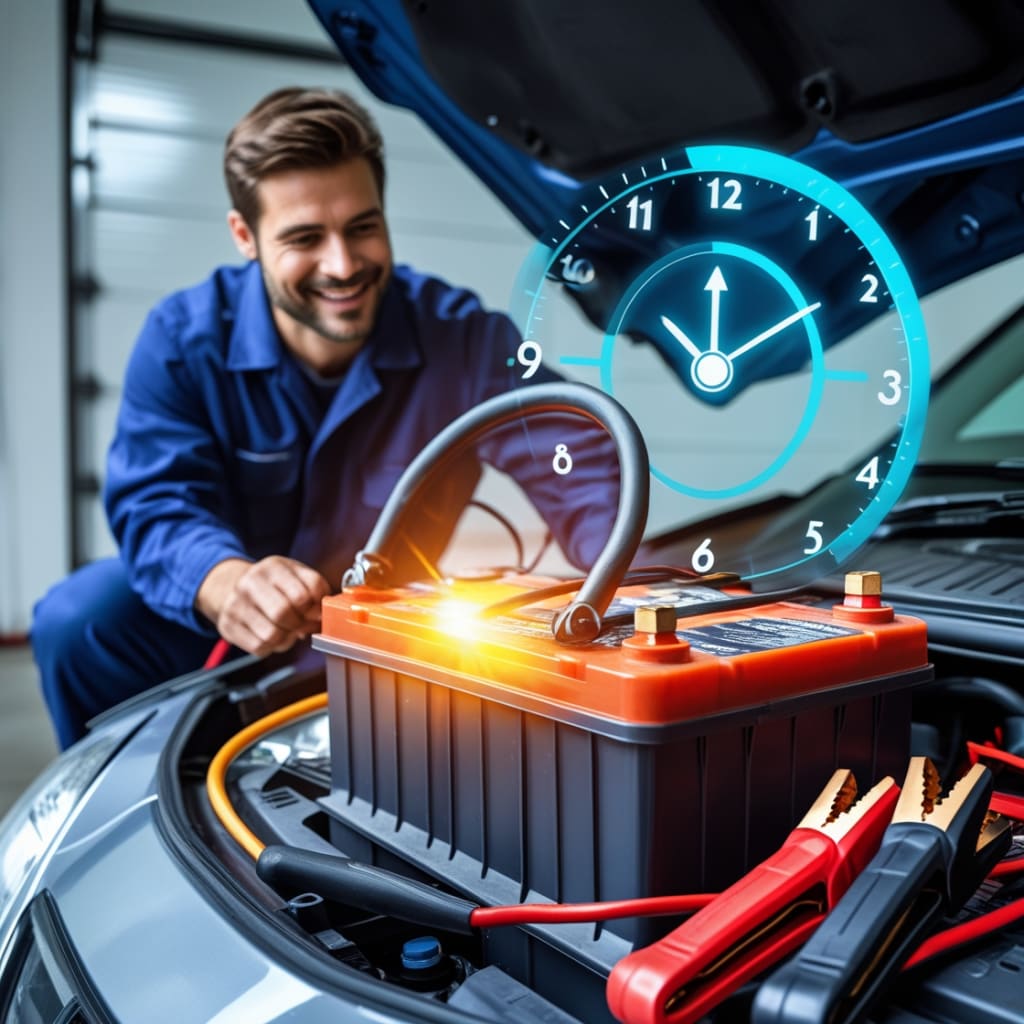
Your car battery is essential for starting your vehicle and powering its electrical components. But like all things, car batteries don’t last forever. Understanding how long a typical car battery lasts and how you can extend its lifespan is key to avoiding sudden breakdowns and costly replacements. In this blog post, we’ll cover the average lifespan of a car battery, factors that affect its longevity, and actionable tips to make your battery last longer.
How Long Do Car Batteries Typically Last?
On average, car batteries last about 3 to 5 years, depending on various factors such as climate, driving habits, and the type of battery installed in your vehicle. However, some batteries may fail earlier, while others may last a bit longer, especially with proper maintenance.
Several factors contribute to a battery’s lifespan. While you can't control some of these factors, understanding them will help you better care for your battery and recognize when it's time for a replacement.
1. Climate and Temperature
The environment in which you drive has a major impact on your car battery’s lifespan. Extreme temperatures, both hot and cold, can put additional strain on your battery.
• Hot climates: In hot weather, the heat can cause the battery fluid to evaporate, which accelerates corrosion and damages the internal components of the battery. As a result, car batteries in hot climates tend to have a shorter lifespan.
• Cold climates: While cold weather doesn’t cause as much damage to the battery itself, it can affect the chemical reactions inside. Cold temperatures slow down the battery’s ability to provide enough power to start the car, making it more likely to fail.
2. Driving Habits
The way you drive can also influence how long your car battery lasts.
• Frequent short trips: If you drive short distances often, your battery may not have enough time to fully recharge. This can gradually drain the battery, shortening its lifespan.
• Longer commutes: On the other hand, driving for extended periods allows the alternator to fully recharge the battery. If you primarily drive long distances, your battery may last a bit longer.
3. Battery Type
There are different types of car batteries, and their lifespan can vary based on the technology used in each type.
• Lead-acid batteries: The most common type of car battery, these typically last 3 to 5 years.
• Absorbent Glass Mat (AGM) batteries: Known for their durability and ability to withstand extreme temperatures, AGM batteries can last up to 6 years or more with proper care.
• Lithium-ion batteries: While not as common in standard vehicles, lithium-ion batteries are used in some electric and hybrid cars. These batteries tend to last longer, often up to 8-10 years.
How to Extend the Life of Your Car Battery
There are several things you can do to help your car battery last as long as possible. Proper care and maintenance will keep your battery in top shape, reducing the chances of it failing prematurely.
1. Regularly Check the Battery’s Charge
A healthy battery should have a full charge. Regularly checking the voltage of your battery can give you a clear indication of its health. A voltage reading of 12.4 to 12.7 volts is ideal when the engine is off, and 13.7 to 14.7 volts when the engine is running. If the voltage is too low, it might be time for a replacement or a charge.
2. Keep the Battery Clean
Dirt, corrosion, and grime on the battery terminals can prevent the battery from charging properly. To maintain good contact and prevent corrosion, clean the battery terminals with a mixture of baking soda and water or a specialized battery cleaner.
If you notice white, powdery corrosion around the battery terminals, it’s time to clean them. Be sure to disconnect the battery cables before cleaning to avoid injury.
3. Limit the Use of Electrical Accessories
Excessive use of electrical accessories, such as the air conditioning, headlights, or the stereo system, can strain your car battery. While it's okay to use these systems in moderation, avoid using them unnecessarily when the engine is off.
4. Ensure Proper Ventilation
Car batteries can overheat, especially in warmer climates or when the car is exposed to direct sunlight. Overheating can shorten the lifespan of the battery. Ensure that the battery is well-ventilated, especially if you have a sealed battery that doesn’t allow for fluid checks.
5. Drive Regularly
If you don’t drive your car often, the battery can lose its charge over time. If your car sits idle for extended periods, consider starting it every few days to allow the alternator to recharge the battery. You can also drive it for a longer period (at least 20-30 minutes) once a week to ensure the battery stays charged.
6. Test Your Battery Regularly
Routine testing of your car battery can help detect potential issues early. Many auto shops offer free battery tests, which can identify any issues with your battery’s charge or performance. It’s a good idea to have your battery tested every 6 to 12 months, particularly if it’s nearing the 3-year mark.
7. Replace the Battery When Needed
While regular maintenance can extend the lifespan of your battery, every battery has a finite lifespan. If your battery is more than 3 years old and showing signs of wear—such as slow starts, dimming lights, or the battery warning light illuminating—it’s a good idea to replace it before it leaves you stranded.
If you drive in extreme conditions or have a higher electrical load in your vehicle, consider opting for a more durable battery, such as an AGM or high-performance battery.
Signs It’s Time to Replace Your Car Battery
Even with regular maintenance, your battery will eventually need to be replaced. Here are some common signs that your battery may need replacing:
• Slow starts: If your car cranks slowly or hesitates when you start it, your battery may be losing its charge.
• Warning lights: A battery or check engine light on your dashboard is a clear indicator that there’s an issue with your battery or charging system.
• Electrical issues: Dim headlights or flickering dashboard lights can signal a failing battery.
• Leaking or corrosion: If you notice corrosion around the terminals or leaks from the battery casing, it’s time for a new one.
Conclusion
Your car battery is a vital part of your vehicle’s operation, and understanding how long it should last and how to take care of it is crucial for preventing unwanted breakdowns. On average, a car battery lasts between 3 and 5 years, but you can extend its lifespan by following simple maintenance tips, such as regularly checking the charge, keeping it clean, and limiting the use of electrical accessories.
If your car battery is approaching the end of its lifespan, or if you're experiencing any signs of trouble, it’s always a good idea to get it checked. TyreHub offers battery testing and replacement services to help ensure that your vehicle is always ready to go. Don’t wait until it’s too late—take care of your battery today to keep your car running smoothly for years to come.
About the Creator
Tyre Hub
TyreHub is the one stop solution to buy Car Tyres, Bike and Activa tyres online with the best price offers in Ahmedabad and get them delivered at your doorstep. For more information visit https://www.tyrehub.com/ or call us 8141335551



Comments
There are no comments for this story
Be the first to respond and start the conversation.