
How Global Shoppers Are Buying Directly from Japan?
Global Shoppers and Japan
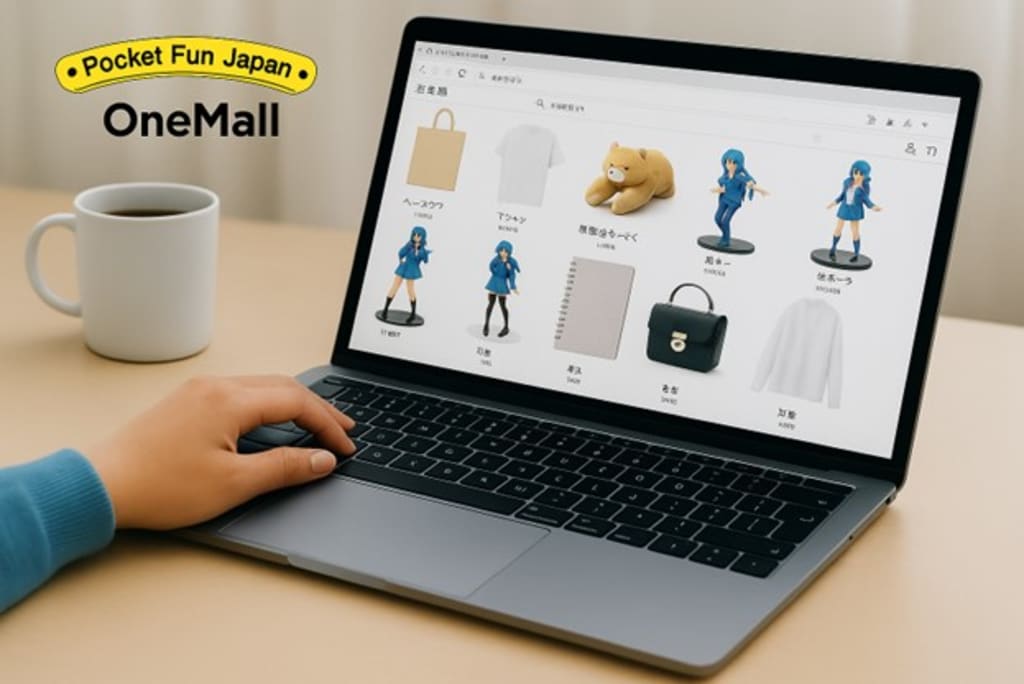
Japan’s reputation for craftsmanship, design, and cultural creativity has made it one of the world’s most fascinating shopping destinations. From anime collectibles and streetwear to beauty products and home goods, Japanese items have a distinct character — precise, imaginative, and built to last. Yet for many international fans, buying directly from Japan can still feel like trying to read a sign in a language you don’t speak.
Language barriers, limited payment methods, and domestic-only shipping often make it difficult for overseas shoppers to access the products they love. Even as Japan’s eCommerce industry continues to expand, most sellers still cater primarily to local buyers.
That’s changing fast. A new generation of cross-border eCommerce platforms is making it possible for global shoppers to access Japanese goods easily, transparently, and securely.
The Rise of Cross-Border Shopping
Over the past decade, global demand for Japanese products has surged. The influence of anime, gaming, and Japanese fashion has gone far beyond pop culture. People around the world now seek authentic pieces of Japanese design and lifestyle — not just for novelty, but for the quality and care they represent.
However, most Japanese online marketplaces like Yahoo Auction, Mercari, or Rakuten are designed for domestic use. They host thousands of one-of-a-kind items, but international checkout and shipping options are often missing. For many years, fans outside Japan had to rely on friends or third-party resellers, adding complexity and cost.
This led to the rise of the proxy shopping model, a simple but powerful concept that gives international customers direct access to Japan’s marketplaces.
Understanding Proxy Shopping
A proxy service acts as an intermediary between the global shopper and Japanese sellers. When a user finds a product on a Japanese website that doesn’t ship abroad, the proxy service buys it locally, stores it securely, and ships it internationally.
This approach offers practical benefits:
No language barriers. The platform translates listings and handles communication with sellers.
Flexible payments. Buyers can pay in their local currency.
Consolidated shipping. Multiple domestic orders can be combined into one international package.
Peace of mind. Items are inspected before shipping to ensure accuracy and quality.
In short, proxy shopping removes the friction between curiosity and purchase — turning the idea of “buying from Japan” into a real, reliable experience.
A More Accessible Shopping Experience
Platforms like OneMall.jp have refined this process into an all-in-one system. Users can search across Japan’s largest eCommerce sites, settle payments, and manage shipments through a single account. Features such as English-language support, transparent pricing, and optional warehousing make the process approachable for newcomers.
This structure doesn’t just help international buyers; it also benefits small Japanese sellers, many of whom would never reach global audiences on their own. By bridging the logistics and language gaps, proxy platforms expand opportunities on both sides — connecting Japan’s domestic markets with international fans, collectors, and culture enthusiasts.
Culture Beyond Commerce
Shopping, in this context, isn’t just about acquiring things. It’s about connection. A fan buying a rare figurine or limited-edition fashion piece is also participating in Japan’s creative culture. These objects carry stories — of artistry, dedication, and playful imagination — that resonate far beyond borders.
Japanese craftsmanship has long valued precision and longevity. Whether it’s a fountain pen, a handmade notebook, or a designer jacket, each product reflects an attention to detail that feels deeply personal. For many shoppers, owning these items isn’t just about having something rare — it’s about owning a small piece of a culture they admire.
By facilitating this exchange, platforms like OneMall and others are helping turn online transactions into meaningful cultural bridges.
The Future of Global Access
As international trade becomes more digital, the tools that make it easier to buy across borders will continue to evolve. Translation systems are improving, logistics are becoming faster, and digital payments are more secure than ever. These developments are creating an online world where geography matters less — and authenticity matters more.
For Japan, this growth in cross-border shopping represents both economic opportunity and cultural outreach. And for global consumers, it’s an invitation: a chance to explore Japan’s creativity directly, without the barriers that once made it seem distant.
The next time someone finds a beautifully made item from Tokyo or Kyoto online, there’s a good chance they can actually order it — and receive it at their doorstep. That simple shift, from unreachable to accessible, is what makes this new wave of eCommerce so transformative.
Because in the end, it’s not just about what you can buy — it’s about the world you connect to when you do.
About the Creator
Julia J
I'm Julia, an SEO expert specializing in link building strategies that deliver results. With a proven track record of enhancing online visibility and driving organic traffic, I tailor campaigns to elevate your site's search engine ranking.
Algorithms and Appetite: The Technology Behind Food Delivery Platforms
In today’s fast-paced digital world, food delivery platforms have become an essential part of everyday life. With just a few taps on a smartphone, users can browse restaurant menus, place orders, track deliveries, and enjoy meals delivered directly to their doorstep. What once required phone calls and long waiting times has now transformed into a seamless digital experience. Behind this convenience lies a sophisticated network of technologies, algorithms, and data-driven systems that power modern food delivery platforms.
By Nayel Basim Al Shehhia day ago in 01


Comments
There are no comments for this story
Be the first to respond and start the conversation.