
How Do Top Brands Plan Successful Crypto Influencer Marketing Campaigns in 2026?
A Strategic Guide to Data-Driven Partnerships, Community Engagement, Compliance, and Measurable Growth in the Evolving Web3 Landscape of 2026.

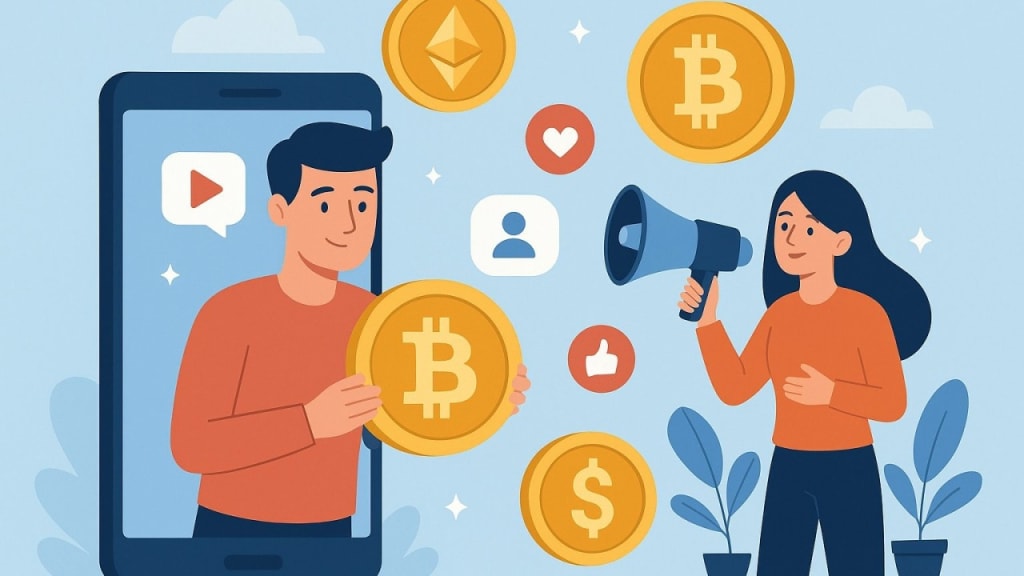
The crypto landscape in 2026 is more regulated, more competitive, and significantly more mature than it was just a few years ago. With thousands of tokens, DeFi platforms, NFT ecosystems, and blockchain infrastructure projects competing for attention, visibility alone is no longer enough. Top brands now rely on carefully structured crypto influencer campaigns to build trust, educate audiences, and drive measurable adoption.
Influencer marketing in crypto has evolved from hype-driven promotions into a performance-focused, compliance-aware, community-first growth strategy. Brands that succeed treat influencers not as advertising tools, but as strategic partners who help bridge the gap between complex blockchain technologies and everyday users. In this comprehensive guide, we’ll explore how leading brands plan, execute, and scale successful crypto influencer marketing campaigns in 2026.
Understanding the Crypto Influencer Ecosystem in 2026
The influencer ecosystem in crypto has expanded into a sophisticated, segmented network of creators with distinct audience profiles and impact potential. In 2026, top brands begin campaign planning by mapping the influencer landscape across platforms such as X (formerly Twitter), YouTube, TikTok, Discord, Telegram, LinkedIn, and decentralized social networks. Each platform supports different audience behaviors, from rapid news sharing to long-form technical education.
Rather than focusing purely on follower count, brands analyze audience demographics, engagement authenticity, geographic distribution, and on-chain behavior where possible. Influencers today fall into several categories: macro influencers with massive reach, niche educators specializing in DeFi or Layer 2 ecosystems, Web3 developers with technical authority, community moderators with grassroots credibility, and emerging micro-influencers with highly engaged followers. Top brands evaluate which category aligns best with their objectives before moving forward.
The ecosystem has also become more data-driven. Many influencer analytics platforms now integrate blockchain verification tools to validate wallet activity, campaign performance history, and audience authenticity. This reduces the risk of fake engagement and ensures that partnerships are built on measurable impact rather than inflated vanity metrics.
Defining Clear Campaign Objectives and Measurable KPIs
Successful campaigns begin with clarity. Leading brands in 2026 never launch influencer initiatives without first defining specific business objectives. These objectives typically include user acquisition, token adoption, wallet downloads, transaction volume growth, feature awareness, staking participation, or community expansion.
Once objectives are defined, brands align them with measurable key performance indicators. These may include engagement rate, click-through rate, cost per wallet activation, cost per conversion, average transaction value, token holding duration, and referral-driven sign-ups. Instead of focusing solely on impressions, brands evaluate deeper performance metrics that connect influencer activity to business outcomes.
Advanced attribution models are commonly used. Custom referral links, UTM tracking, smart contract-based referral codes, and wallet-linked conversion systems allow brands to monitor campaign results with precision. This ensures that influencer marketing contributes directly to growth metrics, not just surface-level engagement.
Conducting Rigorous Influencer Vetting and Due Diligence
In 2026, credibility is everything in crypto. With increasing regulatory oversight and heightened audience skepticism, brands invest significant time in influencer vetting. Due diligence includes analyzing audience authenticity, reviewing historical content for compliance issues, assessing past partnerships, and evaluating sentiment in comment sections.
Brands also examine whether influencers have been involved in controversial token promotions or misleading financial claims. Reputation risk is a critical factor in partnership decisions. Legal and compliance teams are often involved in reviewing potential collaborators before contracts are signed.
Beyond risk management, brands assess value alignment. An influencer known for long-term ecosystem education may not be suitable for a short-term token promotion. Similarly, a meme-driven creator may not align with a serious infrastructure project. Top brands match influencer identity with brand narrative to ensure authenticity and long-term credibility.
Designing a Strategic Campaign Framework
Campaign planning in 2026 follows structured frameworks rather than ad hoc sponsorships. Leading brands typically break campaigns into phases: pre-launch awareness, launch amplification, engagement activation, and post-launch retention.
During the awareness phase, influencers introduce the problem the product solves. In the launch phase, they demonstrate product use cases through tutorials, walkthroughs, or live sessions. Engagement activation includes AMAs, giveaways, contests, and community challenges. Post-launch efforts focus on follow-up education and ongoing dialogue to convert early users into loyal advocates.
Each phase is mapped with timelines, deliverables, messaging guidelines, and measurable checkpoints. This structured approach ensures consistency across multiple influencers while allowing room for creative interpretation.
Co-Creating Authentic and Educational Content
Top brands recognize that influencer audiences respond best to authenticity. Instead of providing rigid scripts, brands collaborate with influencers to co-create content. This process includes joint brainstorming sessions, messaging alignment calls, and shared content outlines.
In crypto, education is often more important than promotion. Influencers explain how protocols work, demonstrate wallet setup, show staking processes, or compare transaction fees with traditional systems. By focusing on real utility rather than speculative gains, campaigns build sustainable trust.
Brands also encourage influencers to share personal experiences with the product. When creators genuinely test a DeFi platform, mint an NFT, or participate in governance votes, their audience perceives the endorsement as credible rather than transactional.
Leveraging Multi-Platform Distribution Strategies
A successful crypto influencer campaign in 2026 rarely relies on a single platform. Instead, brands design multi-channel distribution strategies that align with audience behavior patterns.
Short-form content on TikTok and YouTube Shorts is used to spark curiosity and initial awareness. Long-form YouTube videos provide in-depth tutorials and technical analysis. X serves as a real-time conversation hub, enabling quick updates and community interaction. Discord and Telegram facilitate deeper engagement and support. LinkedIn is leveraged for enterprise blockchain announcements and professional credibility.
By customizing content format and tone for each platform, brands ensure that influencer messaging feels native rather than repetitive. Cross-platform reinforcement amplifies impact while maintaining consistency.
Structuring Incentives for Influencers and Audiences
Compensation structures in 2026 are increasingly performance-based. While flat fees still exist, many brands incorporate tiered bonuses tied to measurable outcomes such as conversions, wallet activations, or transaction milestones.
Token-based incentives are also common, but they are carefully structured to avoid regulatory complications. Vesting schedules and performance triggers align influencer motivation with long-term project success. This approach encourages responsible promotion rather than short-term hype.
Audience incentives further enhance engagement. Airdrops, NFT access passes, exclusive beta invitations, staking bonuses, and governance participation rewards motivate followers to take action. By rewarding both influencers and their communities, brands create a self-reinforcing growth loop.
Ensuring Compliance and Regulatory Transparency
Regulation has become a defining feature of crypto marketing in 2026. Brands must comply with advertising standards, financial disclosure requirements, and jurisdiction-specific regulations. Influencers are required to clearly disclose paid partnerships and avoid offering financial advice.
Contracts typically include compliance clauses, disclosure guidelines, and content approval processes. Legal teams review messaging to ensure accuracy and avoid misleading claims about returns or token value.
Transparency enhances trust. Audiences are more receptive when partnerships are openly disclosed. Ethical promotion practices have become a competitive advantage in a space that once struggled with misinformation.
Integrating Influencer Marketing with Paid Media and Performance Channels
Top brands do not treat influencer marketing as an isolated tactic. Instead, they integrate influencer content into broader digital marketing strategies. High-performing influencer posts are amplified through paid ads, retargeting campaigns, and email marketing sequences.
For example, users who click an influencer link but do not convert may be retargeted with educational ads or onboarding tutorials. Blog articles optimized for search engines may embed influencer videos to enhance engagement. This integrated approach maximizes the lifespan and ROI of influencer-generated content.
Performance marketing teams collaborate closely with influencer managers to align messaging, tracking, and optimization efforts. The result is a unified campaign that connects awareness to conversion.
Utilizing Advanced Analytics and Real-Time Optimization
Data-driven decision-making is central to successful campaigns in 2026. Brands use advanced dashboards that track engagement, conversions, wallet activity, and token metrics in real time. Smart contracts can automatically attribute user actions to specific referral codes.
If certain influencers outperform others, budgets may be reallocated mid-campaign. Content formats can be adjusted based on audience response. Campaign optimization is continuous rather than static.
Attribution models have evolved to include multi-touch tracking, recognizing that users may engage with multiple influencers before converting. This holistic measurement approach ensures fair evaluation of campaign impact.
Encouraging User-Generated Content and Community Amplification
User-generated content has become a powerful extension of influencer campaigns. Brands encourage followers to create memes, tutorials, testimonials, and social posts using branded hashtags or campaign themes.
Community contests, remix challenges, and interactive polls stimulate organic amplification. When real users share their experiences with a platform, it reinforces authenticity and builds social proof.
Top brands provide toolkits and creative assets that make it easy for community members to participate. This transforms campaigns from top-down promotions into decentralized growth movements.
Building Long-Term Influencer Partnerships
Rather than one-off promotions, leading brands prioritize long-term partnerships. Ongoing collaborations allow influencers to become genuine advocates rather than temporary promoters.
Long-term partnerships may include recurring educational series, ambassador programs, governance participation roles, and co-branded initiatives. Over time, the influencer becomes associated with the brand’s ecosystem, strengthening credibility and audience trust.
This approach also reduces acquisition costs. Loyal influencers who understand the product deeply require less onboarding and deliver higher-quality content.
Focusing on Community Retention and Lifecycle Engagement
Campaign success does not end with user acquisition. Retention is a primary focus in 2026. Brands implement onboarding sequences, educational resources, and community engagement programs to maintain momentum.
Influencers may host follow-up sessions, advanced tutorials, or Q&A discussions to support new users. Community managers monitor feedback and relay insights to product teams.
Retention strategies convert first-time users into long-term participants. In token-based ecosystems, sustained engagement often translates into stronger token stability and ecosystem growth.
Embracing AI and Automation in Campaign Planning
Artificial intelligence plays a significant role in modern influencer marketing. Brands use AI tools to analyze audience sentiment, predict content performance, and identify emerging influencers.
Automated analytics dashboards provide real-time performance summaries. AI-driven content recommendations help influencers tailor messaging for different audience segments.
However, while automation improves efficiency, authenticity remains central. Top brands balance technological optimization with human creativity to maintain genuine audience connections.
Preparing for Future Trends in Crypto Influencer Marketing
Looking ahead, several trends are shaping the next phase of crypto influencer campaigns. Decentralized social platforms are gaining traction, allowing creators to monetize directly through tokens. Virtual influencers and AI-generated avatars are entering the Web3 space. On-chain performance tracking is becoming more sophisticated.
Brands that remain adaptable and experiment with new formats will maintain competitive advantage. The underlying principle remains consistent: transparency, authenticity, education, and measurable impact drive sustainable growth.
Conclusion
In 2026, successful crypto influencer marketing campaigns are strategic, data-driven, and community-focused. Top brands begin with clear objectives, conduct rigorous influencer vetting, co-create authentic educational content, leverage multi-platform distribution, integrate compliance safeguards, and measure results with advanced analytics.
They treat influencers as long-term partners rather than short-term promotional tools. They prioritize transparency over hype and value over speculation. Most importantly, they focus on building engaged communities rather than chasing fleeting attention.
As the crypto ecosystem continues to evolve, brands that align influencer marketing with measurable business outcomes and genuine audience value will lead the next wave of blockchain adoption.
About the Creator
Jack santo
I am a Blockchain, Crypto, NFT, Metaverse, etc., enthusiast.
Keep reading
More stories from Jack santo and writers in 01 and other communities.
How Can Startups Build Strong Web3 Token Marketing Strategies in 2026?
The Web3 ecosystem in 2026 is shaped by regulatory clarity in several jurisdictions, maturing decentralized infrastructure, and a more informed user base. Token-based projects are no longer evaluated purely on speculative momentum. Instead, investors, contributors, and communities assess utility, governance design, technical architecture, and long-term sustainability. In this environment, startups must adopt structured, research-driven approaches to token strategy rather than relying on short-term visibility tactics.
By Jack santo4 days ago in 01
Samsung Galaxy S26 Ultra Release Date
Samsung’s next big flagship phone is almost here. The Samsung Galaxy S26 Ultra is one of the most anticipated smartphones of 2026, and tech fans around the world are waiting to see how it will improve on previous models. In this article, we’ll break down everything we know so far about the release date, features, specs, and what you can expect when the phone finally launches.
By USA daily update 7 days ago in 01
Mainstream Media Persistent Crypto Criticism: Enough is Enough
Even though cryptocurrencies have been making headlines for almost ten years now, the way they are covered is still way to shallow for something that has grown exponentially large and complex. The word crypto is generically mentioned everywhere, in market reports, on cable news panels, in push notifications, and in political debates. However the conversation rarely moves past the surface.
By Mark Arthur5 days ago in 01
Goodbye, Mr. Duvall
It is turning out to be an interesting year. I was in the middle of teaching a class when a pop-up appeared on the screen announcing the death of Mr. Robert Seldon Duvall (yes, that was his full name). I was in the middle of a discussion on the obsession we have with winning when it comes to sports (the Winter Olympics was a theme), and I felt as though things were coming full circle. We had already lost Gene Hackman last year, and along with that titan, it feels though one particular golden age has closed off to be replaced by...?
By Kendall Defoe about 16 hours ago in Geeks




Comments
There are no comments for this story
Be the first to respond and start the conversation.