
How Different Paving Colours Change the Look of Your Garden
Exploring the Impact of Paving Colours on Garden Aesthetics and Atmosphere


Paving is more than a practical surface — it shapes how a garden looks and feels. The colour of paving slabs influences light, mood, and visual balance. Whether a space feels modern or traditional, expansive or intimate, often comes down to tone and texture. Choosing the right colour can quietly transform a garden without needing a complete redesign.
Why Colour Choice Matters in Garden Design
Visual harmony with surrounding materials
A well-designed garden connects the paving to its surroundings. Colour plays a crucial role in tying together fencing, walls, borders, and outdoor furniture. Soft greys and beige tones often bridge modern furniture with more rustic planting, while darker shades can complement steel, stone, or timber accents.
Creating mood and atmosphere
Cool colours like pale grey tend to open up a space, lending it a calm, airy feel. Warmer tones, such as buff or honey, create a more relaxed, welcoming environment. Colour has the power to shift a garden’s mood, whether aiming for a clean, contemporary look or a cosy, countryside style.
Practical considerations like maintenance and weathering
Some colours show wear and marks more easily. Very light paving may highlight dirt or algae in damp areas, while very dark options can show water marks or dry streaks. It’s worth considering how exposed the garden is to sun, rain, and footfall when picking a finish.
Light-Toned Paving Slabs
Creams, beiges, and light greys
Lighter colours reflect more sunlight, which helps lift a space and makes it feel bigger. Cream or ivory sandstone and pale grey porcelain are popular for brightening shaded areas or smaller patios. These tones also pair well with natural wood furniture or soft planting schemes.
Enhancing space and brightness
Light paving gives the illusion of depth, particularly when paired with clean lines or large format slabs. In urban gardens or narrow courtyards, this trick helps create the feeling of space even when it’s limited.
Ideal for smaller or shaded gardens
Shady spots benefit from the extra luminosity lighter paving provides. They counterbalance the darkness cast by tall fences or mature trees, ensuring the area doesn’t feel enclosed.
Warm and Earthy Tones
Browns, buffs, and warm sandstone
These colours blend into natural surroundings and work well in traditional or period homes. Buff sandstone, in particular, is a timeless choice in British gardens. It works with lawns, red brick, and country-style planting.
Natural and traditional garden aesthetics
Warm tones feel familiar. They echo the colours of soil, stone, and fallen leaves — all part of a typical UK garden palette. For those looking to maintain a rustic charm or build a more natural-looking space, earthy tones are a reliable option.
Complementing brickwork or wooden features
Brown and honey-hued slabs often pick up tones in garden walls or timber elements like pergolas, creating consistency across the garden. These connections are subtle but give a garden its finished, considered feel.
Cool and Contemporary Finishes
Charcoal and graphite shades
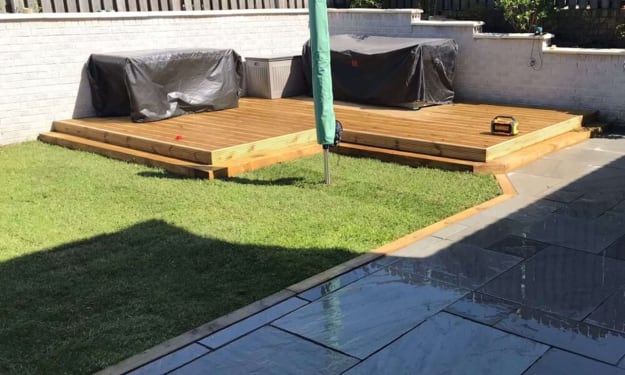
Darker paving tones, including charcoal and deep grey, create a sleek, architectural backdrop. They work especially well in minimalist gardens where sharp edges, metallic features, and clean planting lines are preferred. These tones can also enhance the vibrancy of surrounding greenery, helping foliage appear more vivid.
When to use Black Paving Slabs for a bold look
Black Paving Slabs are ideal for those aiming to create a dramatic contrast. Against white walls or pale gravel, they offer a striking visual edge. These slabs often suit modern homes or design-led outdoor spaces that favour monochrome palettes. They can also help anchor zones — such as seating or firepit areas — giving the garden a clear structure without needing fences or raised beds.
Creating contrast with plants and furniture
Dark paving contrasts effectively with lighter or brightly coloured furniture, cushions, or plant pots. This balance brings energy to the space and stops the design from feeling too flat or cold. Green plants, especially silver-leaved or spiky varieties, stand out vividly against black or graphite paving, making planting choices even more impactful.
Paving Slabs For Garden: Finding the Right Fit
Matching paving to garden function
The way a garden is used should influence paving colour. Entertaining spaces often benefit from darker or mid-tone slabs that resist marking. Lighter slabs work well near conservatories or garden rooms where natural light is a priority. For pathways, blended or riven tones may mask wear over time.
Linking colour to furniture, walls, and borders
Colour harmony should extend beyond the paving. Choose tones that echo features already in the garden — from the cushions on outdoor seating to painted fences or even the window frames of the property. This keeps the space feeling unified and prevents clashing elements.
Using colour to zone spaces
Different paving shades can be used to separate areas without needing barriers. A light-coloured patio next to the house can shift into a darker zone for a barbecue or firepit area. The visual change defines function and adds depth to the layout.
Tips for Choosing and Laying Coloured Paving
Order samples before committing
Colours can appear different in real light compared to online images. Ordering small samples helps avoid surprises and makes it easier to compare tones against brickwork, fencing, and existing plants.
Think about finish, not just colour
The surface of a slab can change how a colour looks. Riven, tumbled, or sawn finishes each reflect light differently. A smooth grey porcelain may feel cool and sharp, while a riven grey sandstone offers a softer, more rustic look, even in the same tone.
Consider lighting and time of day
Paving looks different depending on the light. A colour that feels warm in full sun may seem dull in shade. Visiting showrooms or reviewing samples during different times of the day can help get a more accurate feel for the finished result.
By understanding the effect colour has on a garden, it becomes easier to choose the right paving slabs for style, scale, and function. A well-matched tone can elevate the design, bring harmony to the space, and ensure the garden is enjoyable throughout the year.
About the Creator
Ammaari Stones
Ammaari Stones are a leading supplier of bricks, natural stone and porcelain paving to both retail and trade customers throughout the UK.
Keep reading
More stories from Ammaari Stones and writers in 01 and other communities.
Creative Ways to Use Indian Sandstone Slabs in Home Interiors
Why Natural Stone Belongs Indoors A brief shift from outdoor to indoor trends Indian sandstone has traditionally been associated with patios, garden paths, and exterior facades. Recently, though, it’s finding a new place inside the home. Designers are moving away from synthetic materials in favour of natural surfaces that carry visible texture and variation. This change speaks to a wider desire for materials that feel honest and grounded — qualities Indian sandstone delivers effortlessly.
By Ammaari Stones4 months ago in 01
Questions to Ask Before Hiring Professional Congress Organisers (PCOs)
Hiring the right event partner can be the difference between a well-run congress and a stressful, overcomplicated experience. Large-scale conferences, association meetings, and international congresses involve far more than venue booking and logistics. This is where Professional Congress Organisers (PCOs) play a critical role.
By Meeting Mediaa day ago in 01


Comments
There are no comments for this story
Be the first to respond and start the conversation.