
How Conveyor Systems Improve Safety and Workflow in Industrial Environments
Revolutionizing Workflow with Safety-First Solutions

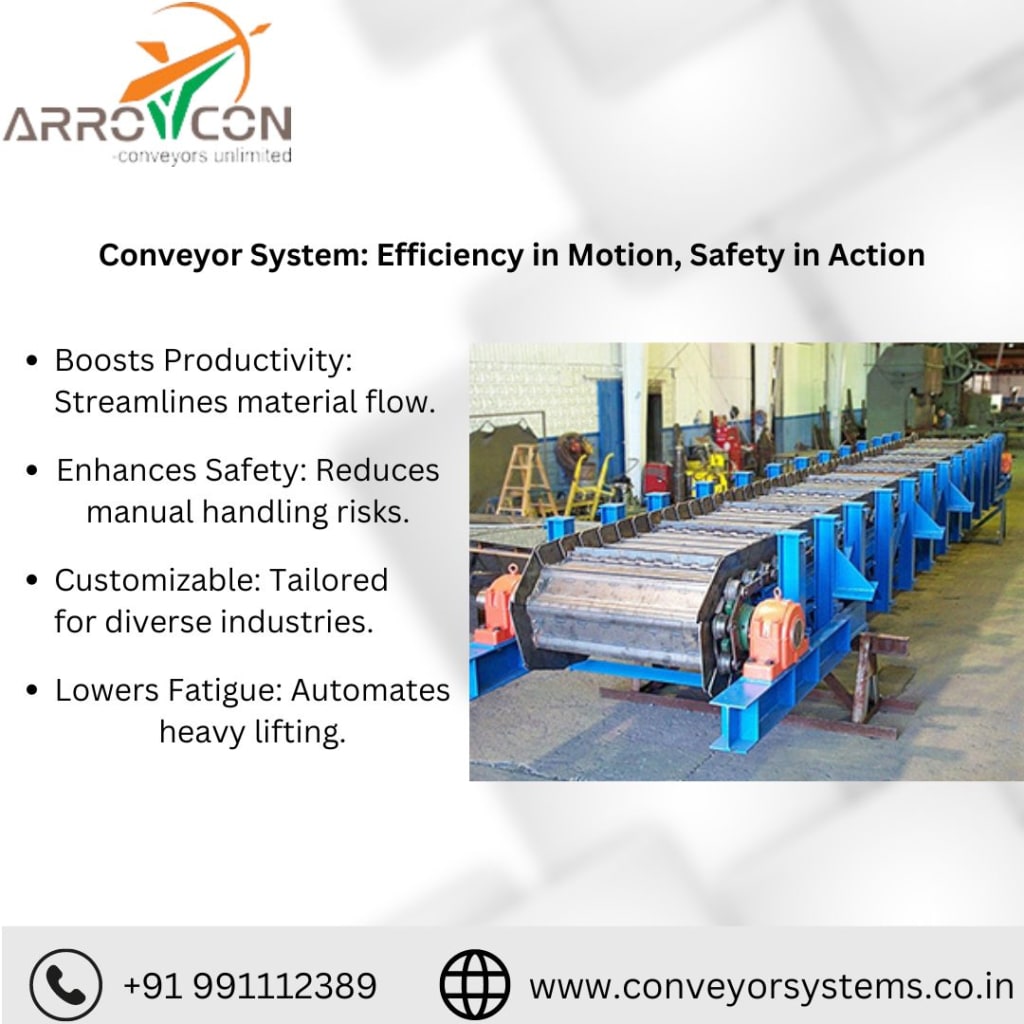
How Conveyor Systems Improve Safety and Workflow in Industrial Environments
In today’s fast-paced industrial environments, efficiency and safety are two of the most critical factors that companies must consider to stay competitive. Whether it’s in manufacturing, warehousing, or distribution, businesses are constantly searching for ways to optimize their operations while ensuring the safety of their workforce. One solution that has become a staple in achieving both of these goals is the conveyor system. By reducing manual handling, streamlining processes, and minimizing human error, conveyor systems play a vital role in improving both safety and workflow across industries.
Enhancing Safety with Conveyor Systems
- Reduction of Manual Labor
One of the most significant advantages of using a conveyor system is its ability to reduce the amount of manual labor required in industrial environments. When employees are tasked with carrying heavy or hazardous materials, there is a high risk of injury. Repetitive motions, improper lifting techniques, and overexertion can lead to musculoskeletal disorders and other workplace injuries. Conveyor systems reduce these risks by automating the transportation of materials, thereby minimizing the need for manual lifting and handling. This not only protects workers from physical harm but also reduces the likelihood of accidents caused by fatigue or human error.
2. Consistent and Controlled Movement of Materials
Conveyor systems provide consistent and controlled movement of materials, which can be critical in ensuring workplace safety. In industries where hazardous materials are handled—such as chemicals, heavy machinery parts, or sharp objects—conveyor systems ensure that these items are moved smoothly without sudden drops or shifts. This controlled movement reduces the chances of spills, accidents, or breakage that could otherwise pose safety hazards for workers. Additionally, conveyors can be designed with safety features like emergency stop buttons, barriers, and sensors to further protect employees from harm.
3. Minimizing the Risk of Workplace Accidents
Conveyor systems can significantly reduce the risk of workplace accidents by minimizing the need for workers to move through high-traffic areas. In busy industrial environments, forklifts and other heavy machinery are often used to transport materials, increasing the risk of collisions, falls, and other accidents. A conveyor system streamlines this process by providing a designated path for materials, effectively reducing the interaction between workers and machinery. With fewer workers needing to navigate through potentially hazardous areas, the risk of accidents is greatly reduced.
4. Improved Ergonomics
Poor ergonomics is a leading cause of workplace injuries in industrial settings. Employees who are required to bend, twist, or stretch to move materials can experience strain or injury over time. Conveyor systems are designed to improve ergonomics by adjusting the height, speed, and direction of material flow to reduce the need for workers to engage in awkward or repetitive movements. This improvement in ergonomics not only helps to prevent injuries but also enhances worker comfort, leading to increased job satisfaction and productivity.
5. Reduced Fatigue and Overexertion
Fatigue and overexertion are common issues in industrial environments, where workers are often required to perform physically demanding tasks for extended periods. Conveyor systems mitigate these issues by automating the transport of heavy materials, allowing workers to focus on more critical tasks without becoming overworked. With less physical strain, employees are less likely to experience fatigue-related accidents or injuries.
Improving Workflow Efficiency with Conveyor Systems
- Streamlined Material Handling
One of the primary ways conveyor systems improve workflow is by streamlining material handling processes. In industries such as manufacturing, warehousing, and logistics, the efficient movement of goods is critical to maintaining productivity. Conveyor systems can be customized to meet specific operational needs, ensuring that materials are transported quickly and efficiently from one point to another. This eliminates bottlenecks and delays, allowing businesses to maintain a steady flow of operations and improve overall efficiency.
2. Automation of Repetitive Tasks
Conveyor systems are ideal for automating repetitive tasks that would otherwise require manual labor. In industries that involve assembly lines or packaging, for instance, conveyor systems can automate the movement of materials, freeing up workers to focus on more complex tasks. By reducing the need for manual intervention, conveyor systems not only increase productivity but also reduce the likelihood of human error, ensuring a more consistent and reliable workflow.
3. Improved Inventory Management
Conveyor systems can play a key role in improving inventory management by facilitating the efficient movement of goods within a facility. In warehousing and distribution environments, conveyor systems can be integrated with automated storage and retrieval systems (ASRS) to track and move products with precision. This allows businesses to manage inventory more effectively, reducing the time spent on locating and retrieving items. The result is a more organized and efficient workflow, with less downtime and greater accuracy in fulfilling orders.
4. Customizable for Specific Industry Needs
One of the greatest advantages of a conveyor system is its versatility. Conveyor systems can be tailored to fit the specific needs of different industries, whether it’s handling fragile items in a manufacturing plant, moving large volumes of goods in a warehouse, or transporting heavy materials in a mining operation. With various configurations such as belt, roller, or chain conveyors, businesses can choose the most suitable system to optimize their workflow. This flexibility ensures that the conveyor system enhances efficiency while adapting to the unique demands of each industry.
5. Increased Speed and Output
Conveyor systems are designed to move materials quickly and efficiently, resulting in increased speed and output for industrial operations. By reducing manual handling and automating the movement of goods, conveyor systems help businesses increase their production rates and meet higher demands. Whether it’s moving raw materials to an assembly line or transporting finished products to a packaging area, conveyor systems ensure that operations run smoothly and without unnecessary delays.
Conclusion
Conveyor systems are an essential component of modern industrial environments, offering numerous benefits in terms of safety and workflow efficiency. By reducing manual labor, improving ergonomics, and minimizing the risk of workplace accidents, conveyor systems help to create a safer working environment for employees. At the same time, these systems enhance productivity by streamlining material handling, automating repetitive tasks, and improving inventory management. Whether it’s in manufacturing, warehousing, or distribution, conveyor systems have become a critical tool in optimizing industrial operations, ensuring that businesses can maintain high levels of efficiency while prioritizing the safety of their workforce.
About the Creator
conveyorsystems
Dynamic Industrials, founded in 1997, is a leading manufacturer of conveyor systems, offering innovative solutions for industries in India and globally, focusing on quality, efficiency, and customer satisfaction.
Keep reading
More stories from conveyorsystems and writers in 01 and other communities.
YouTube Marketing vs Spotify Marketing in 2026: An Honest, No-Filter Take
I have worked with brands that swear by YouTube and others that spend heavily on Spotify. After watching campaigns succeed and fail on both sides, one thing is clear in 2026. These platforms are not competitors. They behave like two completely different worlds.
By SearchEngineWays7 days ago in 01


Comments
There are no comments for this story
Be the first to respond and start the conversation.