
How Can Real Estate Tokenization Services Help You Tap Into Luxury Residential and Commercial Assets?
A Practical Framework for Structuring, Fractionalizing, and Digitizing High-Value Property Investments Through Blockchain Token Models

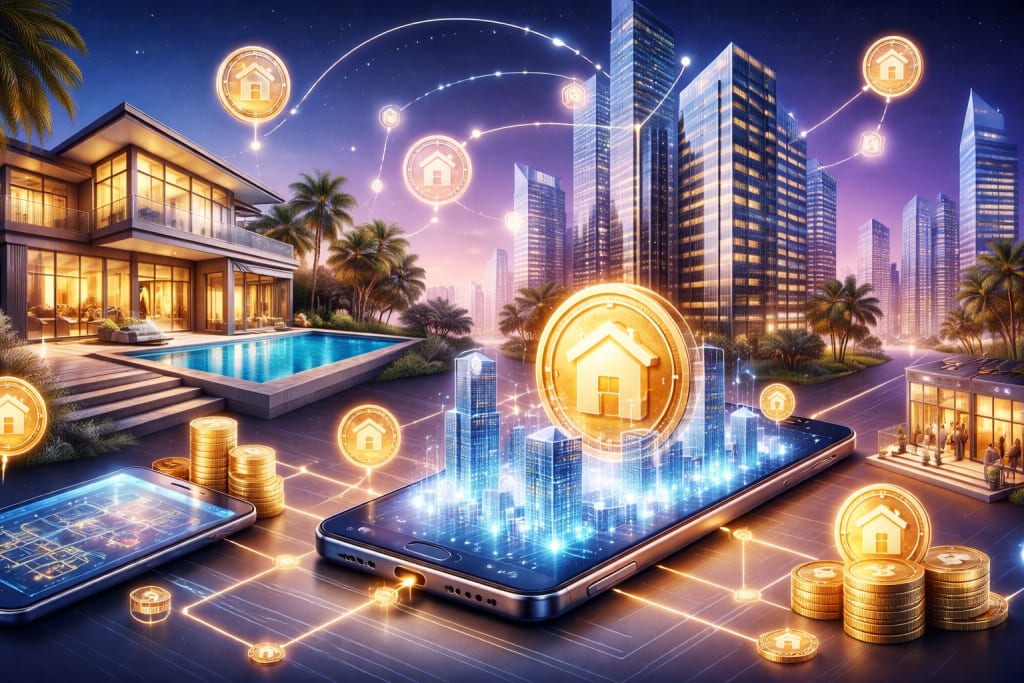
Real estate tokenization has emerged as a structural shift in how high-value properties are owned, financed, and accessed. Luxury residential estates and premium commercial properties have traditionally required large capital commitments, complex legal processes, and long holding periods. These constraints have limited participation to institutional investors and ultra-high-net-worth individuals. Tokenization introduces a digital ownership framework that converts property rights into blockchain-based tokens, enabling fractional participation, structured governance, and programmable revenue distribution.
By combining blockchain infrastructure with real estate asset structuring, tokenization services create new pathways for accessing luxury villas, premium apartments, office towers, hotels, logistics parks, and mixed-use developments. The model does not change the underlying asset itself; instead, it changes how ownership, transfer, and participation rights are recorded and managed. This article explains how real estate tokenization services function and how they expand access to luxury residential and commercial assets through technology, compliance design, and financial engineering.
What is Real Estate Tokenization?
At its core, real estate tokenization is the process of converting ownership rights in a tangible property into digital tokens that exist on a blockchain network. Each token represents a fraction of the asset, and token holders are entitled to corresponding rights, such as rental income, capital appreciation, or voting privileges regarding property management decisions. This transformation has significant implications for market accessibility, liquidity, and transparency.
Tokenization leverages blockchain’s inherent characteristics—immutability, transparency, and programmability—to record asset ownership securely. Smart contracts automate operational processes, including rent distribution, dividend payments, and transfer of ownership, reducing reliance on intermediaries and minimizing human error. By digitizing ownership, tokenization creates an ecosystem where previously illiquid, high-value properties can be subdivided into tradeable units, enabling fractional participation by a global audience of investors.
Why Luxury Residential and Commercial Assets Were Traditionally Hard to Access
High-end residential and commercial real estate markets have long presented entry barriers due to structural and financial constraints. These include:
- High minimum capital requirements
- Long acquisition and closing timelines
- Limited liquidity after purchase
- Complex cross-border legal processes
- Concentrated ownership structures
- Heavy reliance on intermediaries
Luxury homes and prime commercial buildings often involve bespoke legal agreements, layered financing, and extended due diligence cycles. Smaller investors typically cannot allocate sufficient capital to participate directly. Even when pooled investment vehicles exist, they may impose lock-in periods and limited transparency.
Real Estate Tokenization services address these frictions by redesigning how ownership is divided, recorded, and transferred.
Unlocking Access to Luxury Residential Assets
Luxury residential real estate has traditionally been the domain of high-net-worth individuals, often necessitating multi-million-dollar investments. Tokenization services are changing this dynamic in several key ways:
Fractional Ownership
Through tokenization, a single luxury property can be divided into hundreds or thousands of digital tokens. Investors can purchase a fraction of the property proportional to their financial capacity, enabling exposure to prestigious addresses, architecturally significant homes, or prime urban apartments without committing to the full purchase price. Fractional ownership lowers entry barriers and democratizes access to high-end real estate markets.
Enhanced Liquidity
Luxury properties are notorious for illiquidity; selling a multi-million-dollar home can take months or even years, often at prices that fluctuate significantly. Tokenized properties can be traded on digital platforms or private marketplaces, allowing investors to liquidate or rebalance their holdings more efficiently. This liquidity creates a more dynamic market, making luxury real estate a more attractive asset class for institutional and individual investors alike.
Portfolio Diversification
Investors can diversify their portfolios by holding fractional stakes in multiple luxury properties across geographic locations and property types. Tokenization allows them to mitigate risk associated with single-property investments while participating in potential capital appreciation of premium markets worldwide. Additionally, exposure to luxury residential assets can offer resilience against inflation, as these properties often maintain high intrinsic value over time.
Revenue Participation
Token holders may receive a proportionate share of rental income or other property-generated revenue streams. Smart contracts automate distribution, ensuring transparency and timely payments. For investors seeking passive income from luxury residences, tokenized structures provide a seamless and verifiable mechanism for revenue allocation without the need for direct property management.
Accessing Commercial Real Estate Through Tokenization
Commercial real estate—including office buildings, retail centers, hotels, and industrial warehouses—represents another lucrative but traditionally inaccessible market segment for smaller investors. Tokenization introduces several advantages in this sector:
Lowered Capital Requirements
Acquiring a commercial property typically demands substantial capital, often in the millions. Tokenization allows multiple investors to collectively own the asset, each holding digital tokens representing their proportionate stake. This model enables smaller investors to access income-generating commercial properties that would otherwise be unattainable.
Transparent Ownership and Governance
Blockchain’s transparent ledger ensures that ownership records are verifiable and immutable, reducing legal disputes and ownership ambiguities. Investors can track the asset’s performance, property management decisions, and financial reports in real time. Furthermore, tokenized commercial assets often incorporate governance mechanisms, enabling token holders to vote on key decisions such as leasing terms, property improvements, or divestment strategies.
Liquidity and Secondary Markets
Commercial properties are traditionally illiquid, with sales processes spanning months and involving extensive due diligence. Tokenized commercial assets can be traded on secondary markets, allowing investors to exit positions with relative ease. This liquidity not only enhances investor confidence but also fosters more dynamic pricing mechanisms, reflecting real-time market demand.
Institutional Investor Appeal
Fractionalized commercial real estate tokenization aligns well with institutional investment strategies. Pension funds, family offices, and venture capital firms can integrate tokenized commercial properties into diversified portfolios, benefiting from revenue streams, appreciation potential, and reduced operational overhead. By enabling precise allocation of investment across multiple properties, tokenization supports sophisticated portfolio management practices.
Key Components of Real Estate Tokenization Services
Real estate tokenization platforms offer a range of services that facilitate the conversion of traditional assets into blockchain-based digital tokens. Understanding these components is crucial for investors seeking to tap into luxury residential and commercial assets:
Asset Evaluation and Structuring
A thorough valuation of the property is the first step. Tokenization services assess market value, rental income potential, and legal encumbrances. They also determine optimal token structure, including classes, voting rights, and dividend entitlements, ensuring the digital representation aligns with investor expectations.
Legal Compliance and Regulatory Framework
Real estate tokenization intersects with securities law, property law, and digital asset regulation. Professional tokenization services navigate these complex regulatory landscapes to ensure that token issuance, trading, and revenue distribution comply with local and international legal requirements. This step is critical for institutional investors who must adhere to strict compliance standards.
Smart Contract Development
Smart contracts are the backbone of tokenized real estate. They automate ownership recording, revenue distribution, and governance functions. By programming these contracts to enforce predefined rules, tokenization services reduce operational risk and provide a transparent, auditable mechanism for managing asset-related transactions.
Platform Development and Management
Tokenization platforms provide the digital infrastructure for issuing, managing, and trading real estate tokens. They typically feature investor dashboards, transaction histories, revenue distribution modules, and secondary market access. Platforms can be tailored to accommodate luxury residential portfolios, commercial properties, or mixed-use assets, depending on investor demand.
Advantages of Real Estate Tokenization for Investors
Investors seeking exposure to high-value properties can realize multiple benefits through tokenization:
- Accessibility: Fractional ownership reduces entry barriers, enabling broader participation in high-value markets.
- Liquidity: Secondary markets facilitate easier exit strategies compared to conventional real estate investments.
- Transparency: Blockchain’s immutable ledger provides clear visibility into ownership, asset performance, and governance decisions.
- Diversification: Investors can hold stakes in multiple properties across geographic and asset-class boundaries.
- Automated Revenue Distribution: Smart contracts streamline income allocation, minimizing delays and disputes.
Addressing Challenges in Tokenizing Luxury and Commercial Assets
While real estate tokenization presents transformative opportunities, it is not without challenges. Understanding and addressing these issues is essential for successful adoption:
Regulatory Complexity
Different jurisdictions maintain varying rules for digital securities and property ownership. Tokenization platforms must ensure compliance with securities regulations, anti-money laundering requirements, and property law. Failure to do so can expose investors and issuers to legal risks.
Market Adoption and Liquidity Constraints
Although tokenization enhances liquidity, market depth for trading tokenized real estate is still evolving. Investors may face challenges in quickly buying or selling large token positions, particularly for niche luxury or commercial assets. Developing robust secondary marketplaces and institutional participation is key to addressing this limitation.
Technology and Security
Blockchain platforms must safeguard against cyber threats, smart contract vulnerabilities, and system failures. Tokenization services invest in secure architecture, audits, and contingency planning to mitigate operational and cybersecurity risks.
Valuation and Appraisal Accuracy
Accurate valuation is critical for fractionalized ownership. Tokenization platforms must employ professional appraisals, data analytics, and market monitoring to ensure token prices fairly reflect asset value. Misvaluation can undermine investor confidence and market integrity.
The Future of Luxury and Commercial Real Estate Investment
The adoption of real estate tokenization is poised to reshape how investors access and engage with high-value properties. Several trends are likely to accelerate growth:
- Integration with Institutional Investment Portfolios: As tokenized real estate matures, pension funds, hedge funds, and family offices will increasingly incorporate digital property assets into diversified strategies.
- Globalization of Access: Fractional token ownership enables international investors to access markets previously limited by geographic or regulatory barriers.
- Technological Innovation: AI-driven valuation models, automated compliance monitoring, and advanced trading platforms will enhance efficiency and market confidence.
- Enhanced Investor Experience: Interactive dashboards, virtual property tours, and real-time revenue tracking will make luxury and commercial asset investment more transparent and engaging.
Conclusion
Real estate tokenization services represent a paradigm shift in the investment landscape, democratizing access to luxury residential and commercial properties while introducing unprecedented liquidity, transparency, and efficiency. Fractional ownership, automated revenue distribution, and secondary market trading make it possible for a wider range of investors to participate in markets that were once the exclusive domain of the ultra-wealthy.
By bridging traditional real estate markets with blockchain technology, tokenization not only broadens investor access but also facilitates more efficient capital allocation, diversified portfolios, and innovative governance structures. As the regulatory environment evolves and technology continues to mature, real estate tokenization is set to become a standard tool for investors seeking to engage with high-value properties in a digital, accessible, and secure manner.
Ultimately, the convergence of blockchain and real estate is redefining wealth creation, portfolio diversification, and market participation, making luxury and commercial assets more attainable, manageable, and investable than ever before.
About the Creator
Gabrielle
Blockchain enthusiast and NFT writer dedicated to merging technology with art on decentralized platforms, driving innovation for a creative future. Embracing the potential of digital expression.
Mobile Banking App Development Trends to Watch in 2026
The financial technology landscape is evolving at an unprecedented pace, and mobile banking app development is at the forefront of this transformation. As we move into 2026, digital banking apps are no longer just a convenient way to check balances or transfer money—they have become comprehensive platforms for financial management, personalized services, and seamless customer experiences. For banks, fintech startups, and IT service providers, keeping up with the latest trends in mobile banking app development is essential to remain competitive in an increasingly crowded market.
By shane cornerusabout 21 hours ago in 01



Comments
There are no comments for this story
Be the first to respond and start the conversation.