
How Borehole Stability Is Becoming a Key Focus in Modern Drilling?
Borehole Stability Is Becoming Essential in Modern Drilling
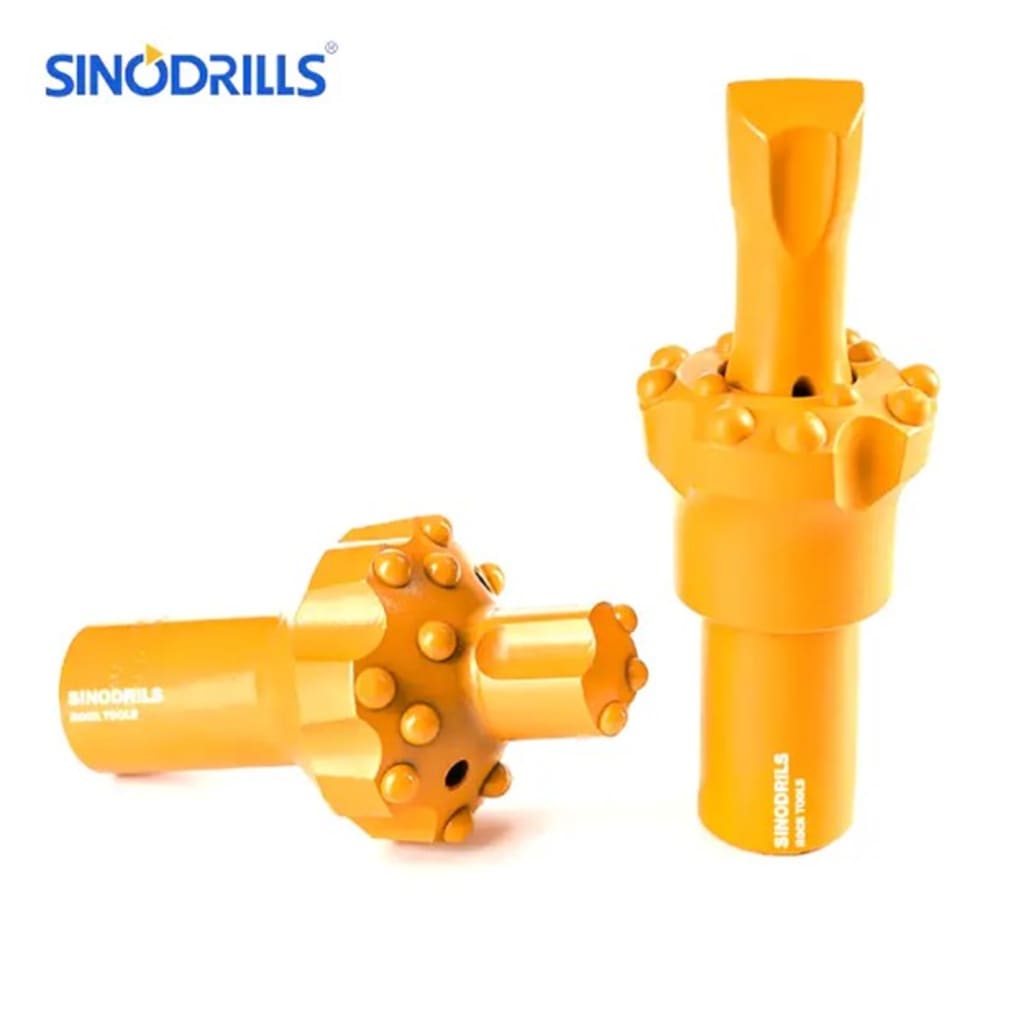
As geological conditions grow more complex, drilling teams rely on system-level equipment decisions
Drilling operations today are shaped by increasingly demanding conditions. Projects are going deeper, formations are more variable, and efficiency targets leave little room for error. In this environment, success depends not only on penetration speed, but also on how well the borehole is maintained throughout the drilling process.
Rather than relying on isolated tools, many operators now take a system-level approach, evaluating how drill bits, drill strings, and borehole conditioning tools work together. Among these factors, borehole quality has emerged as a critical determinant of drilling performance.
Why Borehole Quality Matters More Than Ever
In earlier drilling projects, minor deviations in hole diameter or wall smoothness were often manageable. Today, extended reach drilling, tighter casing tolerances, and more complex well paths have raised expectations for borehole consistency.
Irregular hole walls can increase torque and drag, interfere with casing installation, and contribute to vibration that shortens tool life. In severe cases, poor borehole conditions can lead to stuck pipe incidents or costly corrective operations. As a result, maintaining a stable, in-gauge borehole has become a priority rather than an afterthought.
This shift has drawn greater attention to tools specifically designed to refine and stabilize the hole as drilling progresses.
The Role of Reaming Tools in Drilling Systems
Reaming tools are used to smooth and slightly enlarge the borehole after the initial drilling phase. Their function is not to advance the hole depth, but to improve its quality by removing ledges, correcting minor deviations, and maintaining consistent diameter.
In challenging formations—such as fractured rock or zones prone to swelling—reaming can reduce friction along the drill string and help stabilize drilling parameters. Properly deployed reaming tools also support smoother casing runs and more predictable well construction outcomes.
Modern Sinodrills reaming tools are designed with these objectives in mind, focusing on structural stability, wear resistance, and compatibility with different drilling assemblies. More detail on their design considerations and applications can be found at https://www.sinodrills.com/reaming-tools/, which outlines how reaming geometry and material selection influence borehole conditioning in various drilling environments.
Beyond Individual Tools: A System Perspective
Effective drilling performance rarely comes from a single component. Instead, it reflects how well all elements of the drilling system interact under real-world conditions. Drill bits determine how efficiently rock is cut, while reaming and stabilization tools influence how smoothly the system operates as depth increases.
When these components are well matched to the formation, operators often observe reduced vibration, steadier torque, and improved tool longevity. This integrated perspective helps drilling teams address potential issues before they escalate into operational disruptions.
Data and Experience in Tool Selection
Modern drilling decisions are increasingly guided by data. Measurements such as torque fluctuations, vibration levels, and drag trends provide early indicators of deteriorating borehole conditions. By monitoring these signals, teams can adjust tool configurations or operating parameters before problems become severe.
Over time, performance data also helps establish best practices for when reaming tools should be introduced and how they should be configured for specific formations. This combination of data analysis and field experience supports more consistent outcomes across projects.
Industry Insight from Tool Development Experience
Insights into borehole conditioning and tool selection often come from manufacturers that work closely with real-world drilling operations. Guizhou Sinodrills Equipment Co., LTD is one such example, drawing on more than two decades of experience in developing rock drilling tools for mining, construction, and energy projects. Established in 2002 and operating as an integrated R&D and manufacturing supplier, the company applies field feedback and materials research to refine drilling and reaming tool performance across diverse geological conditions.
Efficiency, Safety, and Long-Term Performance
Improved borehole stability contributes not only to operational efficiency, but also to safer working conditions. Fewer interruptions and smoother tool movement reduce mechanical stress and limit exposure to risk during drilling operations. At the same time, efficient drilling practices can lower fuel consumption and reduce overall environmental impact.
As sustainability and safety considerations continue to influence project planning, tools that support controlled and predictable drilling are becoming increasingly important.
Looking Ahead
The future of drilling is less about reacting to problems and more about preventing them. As formations grow more complex, maintaining borehole quality throughout the drilling cycle will remain a key challenge.
For drilling professionals, understanding the role of borehole conditioning—and how reaming tools fit into a modern drilling system—will be essential for achieving reliable, efficient outcomes in the years ahead.
About the Creator
Julia J
I'm Julia, an SEO expert specializing in link building strategies that deliver results. With a proven track record of enhancing online visibility and driving organic traffic, I tailor campaigns to elevate your site's search engine ranking.
How Crypto Arbitrage Bots Find Opportunities Humans Often Miss
The cryptocurrency market operates 24 hours a day, seven days a week, across hundreds of trading platforms around the world. Unlike traditional financial markets that follow fixed trading hours, crypto markets are constantly active, creating continuous fluctuations in asset prices. Because different exchanges operate independently, the same cryptocurrency can sometimes be priced slightly differently across platforms. These price differences create opportunities for a trading strategy known as arbitrage.
By smithtaylor4 days ago in 01
The Man Who Never Appeared on the Camera
Every small community has its own collection of stories that people whisper about late at night, stories that some claim are real while others insist are nothing more than exaggerated rumors passed down through generations, and in the quiet town of Brookdale there was one particular story that had survived for nearly thirty years because no one could ever fully prove whether it was true or simply a strange coincidence that had grown into a legend.
By The Curious Writerabout 10 hours ago in 01
My First Time Skiing and I Got Lost, Alone, in the French Alps
Looking back, I can trace some of my life’s biggest adventures to a simple action from my sister. She’d introduced me to Tommy (a very long time ago), a colleague of hers, who had overshared his penchant for Italian-looking women, and I ticked that box.
By Chantal Christie Weissa day ago in Humans




Comments
There are no comments for this story
Be the first to respond and start the conversation.