
How Blockchain Development Services are Transforming Key Business Sectors
Unlocking Innovation: How Blockchain Development is Revolutionizing Industries

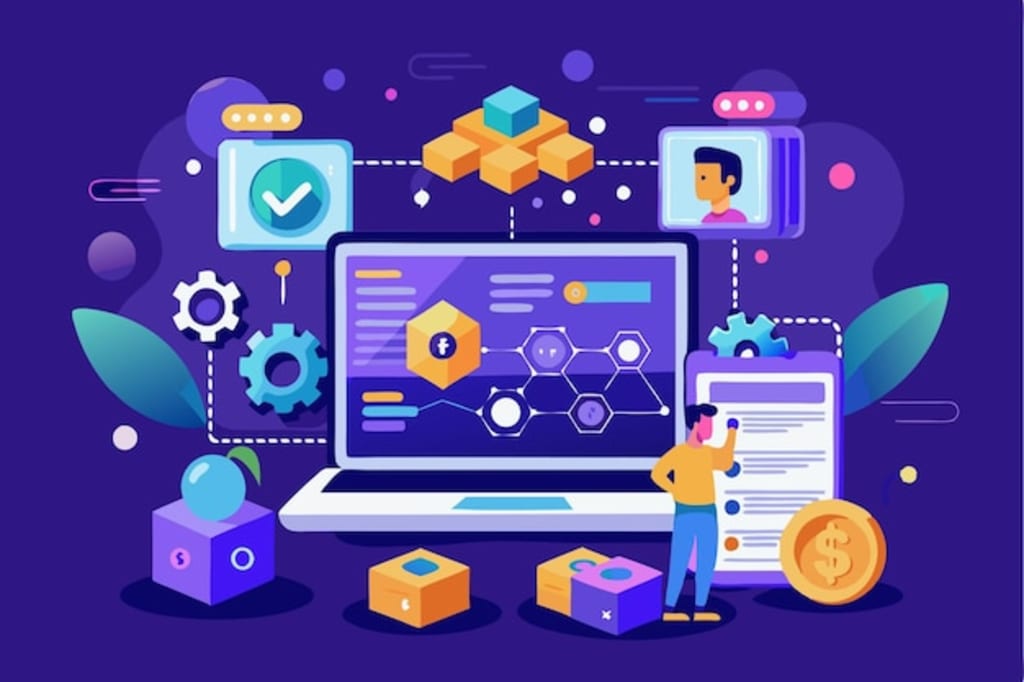
Blockchain technology, once synonymous with cryptocurrencies, has evolved into a powerful tool that is transforming various business sectors. Blockchain development services create decentralized and distributed ledgers that enhance data integrity, security, and transparency. These services enable businesses to harness the full potential of blockchain, paving the way for innovative solutions that redefine traditional practices across industries. As more organizations recognize the transformative power of blockchain, they are integrating this technology to improve operations, reduce costs, and enhance customer satisfaction.
Benefits: How Blockchain Development Services Empower Businesses
1) Enhanced Security
Blockchain technology offers robust security features that protect sensitive data. Its decentralized nature ensures that information is stored across multiple nodes, making it nearly impossible for hackers to alter or manipulate records. Each transaction is encrypted and linked to the previous one, creating an immutable chain. This level of security is vital for industries like finance and healthcare, where data breaches can have catastrophic consequences.
2) Improved Transparency
Transparency is one of the hallmark benefits of blockchain development services. Every participant in a blockchain network has access to the same information, ensuring that all transactions are visible and verifiable. This transparency fosters trust among stakeholders, reducing the risk of fraud and corruption. Businesses can demonstrate their commitment to ethical practices, which is increasingly important to consumers today.
3) Increased Efficiency
Blockchain streamlines processes by eliminating intermediaries and reducing transaction times. Smart contracts—self-executing contracts with the terms of the agreement directly written into code—automate tasks that would traditionally require manual intervention. This efficiency leads to faster settlements, lower operational costs, and improved productivity across various sectors.
4) Boosted Traceability
The traceability offered by blockchain is invaluable for industries reliant on supply chain management. With blockchain, every transaction or movement of goods can be tracked in real-time. This capability not only enhances accountability but also helps in quickly identifying the source of problems, such as product recalls or disputes. For consumers, this means they can trace the origin of products, ensuring quality and authenticity.
5) Empowering Customers
Blockchain empowers customers by giving them greater control over their data. Users can choose what information to share and with whom, enhancing privacy and trust. This shift is particularly relevant in sectors like finance and healthcare, where customers are increasingly concerned about how their data is used and shared.
Industry-Specific Applications: Where Blockchain Development Shines
1) Supply Chain Management: From Farm to Fork with Unparalleled Visibility
Blockchain technology is revolutionizing supply chain management by providing a transparent, immutable, and secure method for tracking the movement of goods. In a traditional supply chain, multiple stakeholders—from suppliers and manufacturers to distributors and retailers—handle different aspects of the process, often leading to inefficiencies, miscommunication, and a lack of visibility. Blockchain addresses these challenges by creating a single, shared ledger accessible to all parties involved.
This shared visibility allows stakeholders to verify the authenticity and quality of products at every stage of the supply chain. For instance, when a product is shipped, its details, including origin, handling conditions, and transport history, are recorded on the blockchain. This traceability is invaluable for ensuring food safety; companies like Walmart have implemented blockchain solutions to track food products, enabling them to quickly identify sources of contamination in case of foodborne illnesses. By having the capability to trace products from farm to fork, businesses can not only enhance consumer safety but also reduce waste and optimize inventory management.
Moreover, this level of transparency builds consumer trust, as customers can verify the origin and journey of their food. As a result, blockchain is not just a technological advancement; it is a catalyst for transforming supply chains into more resilient, efficient, and responsible systems.
2) Financial Services: Redefining Transactions with Security and Speed
The financial sector has experienced a seismic shift due to blockchain technology, which enables secure, peer-to-peer transactions that bypass traditional banking intermediaries. Traditional banking systems can be slow and costly, with transaction fees, lengthy processing times, and potential for fraud. Blockchain mitigates these issues by allowing direct transactions between parties, reducing costs and accelerating processing times significantly.
For instance, in cross-border transactions, blockchain facilitates near-instantaneous transfers at lower costs compared to traditional banks, which often take days to process international payments. This capability is transforming how businesses and individuals conduct financial transactions, enabling greater accessibility to banking financial services.
Cryptocurrencies, which are built on blockchain technology, are reshaping the financial landscape. Digital currencies like Bitcoin and Ethereum allow users to conduct transactions without the need for banks, thus democratizing finance. Furthermore, smart contracts, self-executing contracts with the terms of the agreement written into code, enhance trust and efficiency in transactions by automating processes and eliminating the need for intermediaries.
As blockchain continues to mature, it promises to streamline not just individual transactions, but entire financial ecosystems, fostering innovation and accessibility.
3) Healthcare: Empowering Patients with Secure and Interoperable Records
In the healthcare industry, blockchain is set to revolutionize the management of patient data. Traditionally, medical records are fragmented across different systems and institutions, making it challenging for healthcare providers to access comprehensive patient histories. Blockchain technology addresses this issue by creating secure, interoperable electronic health records (EHRs) that are accessible to authorized users while ensuring patient privacy.
With blockchain, patients have greater control over their medical information. They can decide who has access to their data, enabling compliance with regulations like HIPAA (Health Insurance Portability and Accountability Act) while also enhancing patient engagement. This empowerment such as healthcare software development leads to better health outcomes, as patients can provide healthcare providers with complete and accurate information.
Additionally, blockchain can facilitate seamless data sharing among healthcare providers, improving coordination and continuity of care. For instance, in emergency situations, having immediate access to a patient’s complete medical history can be critical for timely and effective treatment.
Moreover, the use of blockchain can enhance clinical trials and research by ensuring data integrity and security. Researchers can access anonymized patient data for studies, leading to more robust findings while protecting patient identities.
4) Voting Systems: Enhancing Security and Confidence in the Democratic Process
The integrity of voting systems is paramount for any democracy, and blockchain technology offers a promising solution to enhance security and transparency in electoral processes. Traditional voting methods are susceptible to fraud, manipulation, and errors, which can undermine public confidence in the electoral system.
Blockchain provides a secure and transparent method for casting and counting votes. By recording each vote as a transaction on a blockchain, the process becomes immutable and verifiable. Voters can receive a unique cryptographic token as proof of their vote, ensuring that their selection is securely recorded without the risk of tampering.
Countries like Estonia are leading the way in exploring blockchain-based voting systems, which not only enhance security but also increase accessibility. Online voting can empower more citizens to participate in the electoral process, particularly those who may face barriers in traditional voting settings, such as disabilities or geographical constraints.
The transparent nature of blockchain also enables independent audits of the election process, fostering public trust. As voter confidence is essential for a healthy democracy, the implementation of blockchain could play a vital role in enhancing the integrity and accessibility of voting systems worldwide.
5) Blockchain Revolutionizing Retail: Transparency Wins Consumer Trust
In the retail sector, blockchain technology is fostering transparency and trust between retail businesses and consumers. With rising consumer demand for ethical and sustainable products, retailers are under pressure to provide proof of product authenticity and sourcing practices. Blockchain provides a solution by creating a transparent and immutable record of every product's journey through the supply chain.
For example, companies like De Beers are using blockchain to track diamonds from mine to market, ensuring that consumers can verify the ethical sourcing of their purchases. By providing customers with access to information about the origin and journey of products, retailers can build trust and differentiate themselves in a competitive market.
Moreover, blockchain can enhance the efficiency of returns and recalls. By tracking products throughout the supply chain, retailers can quickly identify the origin of faulty products, streamlining the recall process and minimizing losses.
In addition, loyalty programs can benefit from blockchain technology by providing retail software solution- a secure and transparent way to manage rewards. Customers can earn and redeem points through a decentralized system, enhancing their experience and fostering brand loyalty.
6) Entertainment: Redefining Ownership and Empowering Creators in the Digital Age
The entertainment industry is experiencing a transformation thanks to blockchain technology for Entertainment app development, which is redefining ownership and copyright management. Traditionally, artists and creators have faced challenges related to fair compensation and ownership rights, often leading to disputes and piracy.
Blockchain addresses these challenges by enabling smart contracts, which ensure that creators are fairly compensated for their work. When a piece of digital content, such as music or art, is sold or streamed, the smart contract automatically distributes royalties to the creators based on predefined conditions. This transparency and automation empower artists, allowing them to focus on their creativity rather than navigating complex copyright laws.
Moreover, blockchain platforms enable secure distribution and monetization of digital content, reducing the risk of piracy. Artists can maintain control over their work and establish direct relationships with their audience, fostering a more sustainable model for content creation.
As the entertainment industry continues to evolve, blockchain offers innovative solutions that empower creators, protect their rights, and redefine ownership in the digital age.
7) Agriculture: Empowering Farmers and Building a Sustainable Food System
In agriculture, blockchain technology is enhancing traceability and empowering farmers to make informed decisions. By providing a transparent record of a product's journey from farm to consumer, blockchain enables consumers to verify the origins of their food, fostering trust and accountability.
Farmers can utilize blockchain to access financing and insurance based on transparent data sharing. By documenting their farming practices, crop yields, and environmental impact, farmers can demonstrate their commitment to sustainability and gain access to better financial opportunities.
Furthermore, blockchain can facilitate the efficient management of supply chains in agriculture. With real-time tracking, stakeholders can optimize logistics, reduce food waste, and ensure that products are delivered fresh to consumers. This transparency also helps in identifying inefficiencies and improving overall productivity within the agricultural sector.
By empowering farmers with data-driven insights and fostering direct relationships with consumers, blockchain technology is contributing to a more sustainable and resilient food system.
8) Education: Empowering Learners and Building Secure Credentials
In the education sector, blockchain technology is poised to enhance the management of academic credentials and empower learners. Traditional methods of verifying qualifications can be cumbersome and prone to fraud, leading to challenges in hiring and enrollment processes.
Blockchain can secure academic credentials by creating a tamper-proof record of degrees, diplomas, and certificates. Educational institutions can issue verified credentials on the blockchain, enabling employers to easily authenticate qualifications. This streamlined verification process reduces the administrative burden on institutions while enhancing the credibility of educational achievements.
Moreover, blockchain empowers learners by giving them control over their educational records. Students can manage and share their credentials securely with prospective employers or educational institutions, enhancing their employability and ensuring their qualifications are recognized.
As the education sector continues to embrace digital transformation, blockchain technology offers innovative solutions such as e-learning app development or Online School Management System that enhance security, accessibility, and transparency, ultimately benefiting learners, institutions, and employers alike.
Conclusion
Blockchain development services are transforming key business sectors by enhancing security, transparency, efficiency, traceability, and customer empowerment. As industries continue to adopt blockchain technology, the potential for innovation and improvement will only grow. Organizations that embrace blockchain can stay ahead of the curve, leveraging its benefits to drive growth and build trust with their customers. In an increasingly digital world, the impact of blockchain will be profound, reshaping the landscape of business for years to come.
About the Creator
AddWeb Solution
AddWeb Solution offers top-notch Magento Development Services tailored to your business needs. Enhance your eCommerce platform with our expertise and innovation. Hire Magento experts today for a seamless and robust online store experience.
Keep reading
More stories from AddWeb Solution and writers in 01 and other communities.
Application Development Consultant: How to Hire, Cost, and Benefits
In today’s digital landscape, businesses are increasingly relying on mobile and web applications to enhance their operations and engage with customers. An Application Development Consultant plays a crucial role in this process, providing expert guidance and specialized knowledge to help organizations develop effective applications tailored to their specific needs. These professionals not only assist in the technical aspects of application development but also offer insights into market trends, user experience, and best practices.
By AddWeb Solutionabout a year ago in 01
From Static Vulnerability Checks to Abuse‑Aware API Security in Modern Applications
As APIs continue to power digital interfaces, they also present a growing attack surface. Traditional security approaches often stop at static vulnerability checks, leaving modern applications exposed to sophisticated abuse patterns. Vulnerability scanners and rule‑based tools are no longer sufficient to secure APIs in an environment where attackers use behavior, intent, and logic to evade detection.
By Sam Bishop6 days ago in 01
HubSpot Onboarding Challenges Most Teams Face Without Consulting
I still remember the day our team finally signed off on HubSpot. There was a sense of relief mixed with excitement. We believed the platform itself would fix our scattered CRM data, improve follow ups, and bring calm to our marketing chaos. No one said it out loud, but we all assumed onboarding would be simple.
By Jane Smith7 days ago in 01



Comments
There are no comments for this story
Be the first to respond and start the conversation.